








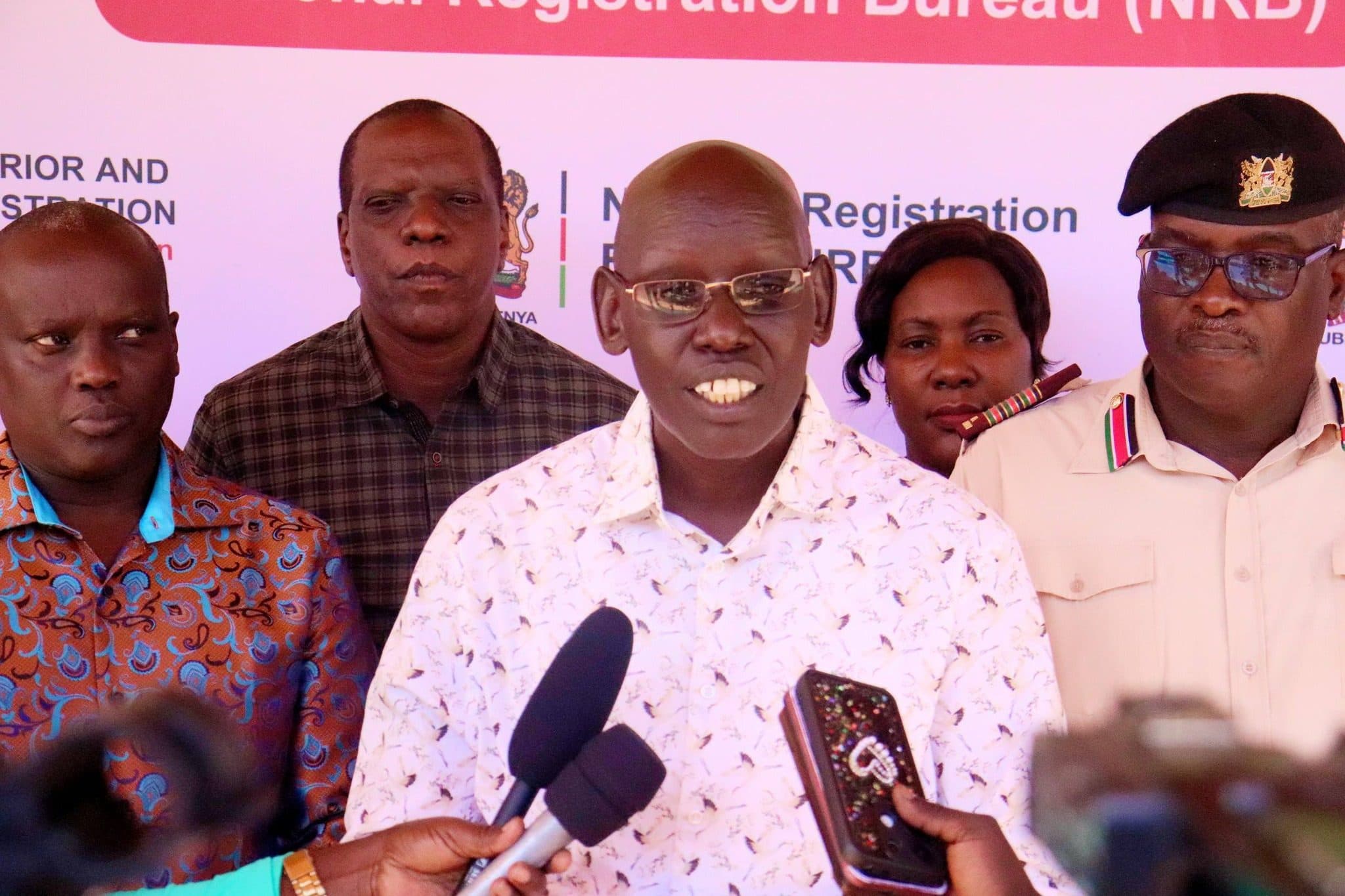
The government through the department of Immigration has launched a fresh national identity card registration exercise in Baringo County,
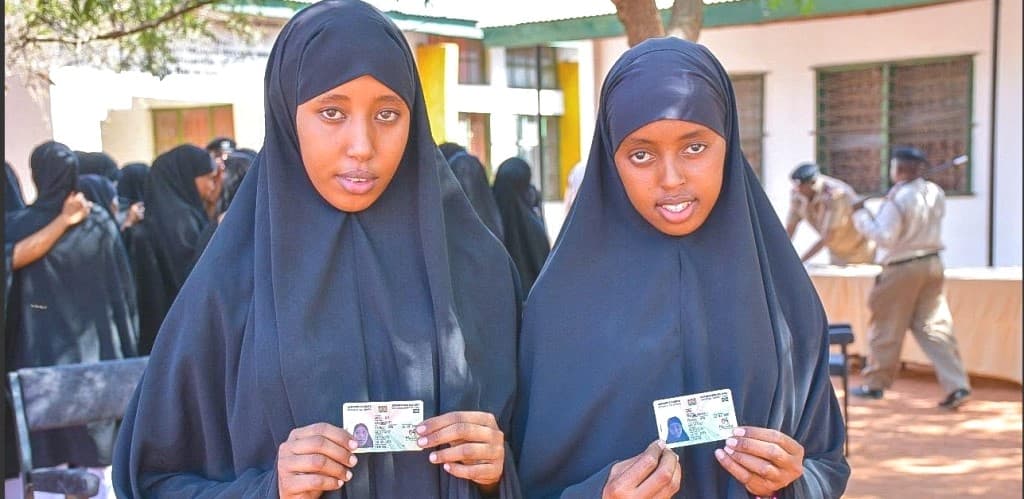
The exercise targets thousands of residents who remain locked out of government services due to lack of identification documents.
The exercise, dubbed Usajili Mashinani, officially kicks off today and is expected to intensify registration efforts in remote and underserved areas of the county.
Speaking at the Kenya School of Government in Kabarnet after a consultative meeting with more than 400 chiefs from across Baringo, Principal Secretary Belio Kipsang underscored the urgency of achieving full ID registration.
“We must ensure that every eligible Kenyan is registered and issued with a national identity card. Access to government services begins with identification,” said Kipsang.
He noted that the initiative will rely heavily on grassroots leadership structures, including chiefs, village elders, and Nyumba Kumi committees, to reach residents at the household level.
“This time, we are working closely with local administrators and community structures to ensure we achieve 100 percent registration,” he added.
ALSO READ:
https://educationnews.co.ke/kajiado-parent-appeals-for-help-after-school-fees-lock-grade-10-daughter-out-of-school/
“Registration will also be conducted in schools. The government is fully committed to ensuring that all eligible Kenyans, especially the youth, are documented,” he said.
The PS observed that many communities in Baringo—particularly those in hard-to-reach areas—lack national identity cards largely due to inadequate sensitization and past logistical challenges.
Addressing previous concerns over mobility, Kipsang announced that the government has deployed 44 vehicles to support outreach efforts during the exercise.
“Unlike in the past, mobility will not be a challenge. We have provided vehicles to ensure our teams reach every corner of the county,” he said.
Under the new plan, each ward in Baringo County will be allocated 10 days for continuous registration, with a special focus on arid and semi-arid lands (ASALs).
“This initiative is mainly focused on ASAL areas, where communities have limited access to government services,” Kipsang explained.
Baringo County remains one of the regions with a high number of undocumented residents, a situation that has hindered access to essential services such as healthcare, education support, and social protection programmes. The government now hopes that enhanced grassroots engagement will reverse this trend and ensure inclusivity in service delivery.
By Kimutai Langat
You can also follow our social media pages on Twitter: Education News KE and Facebook: Education News Newspaper for timely updates.
>>> Click here to stay up-to-date with trending regional stories
>>> Click here to read more informed opinions on the country’s education landscape


Reader Discussion (0)
Sign in to comment