


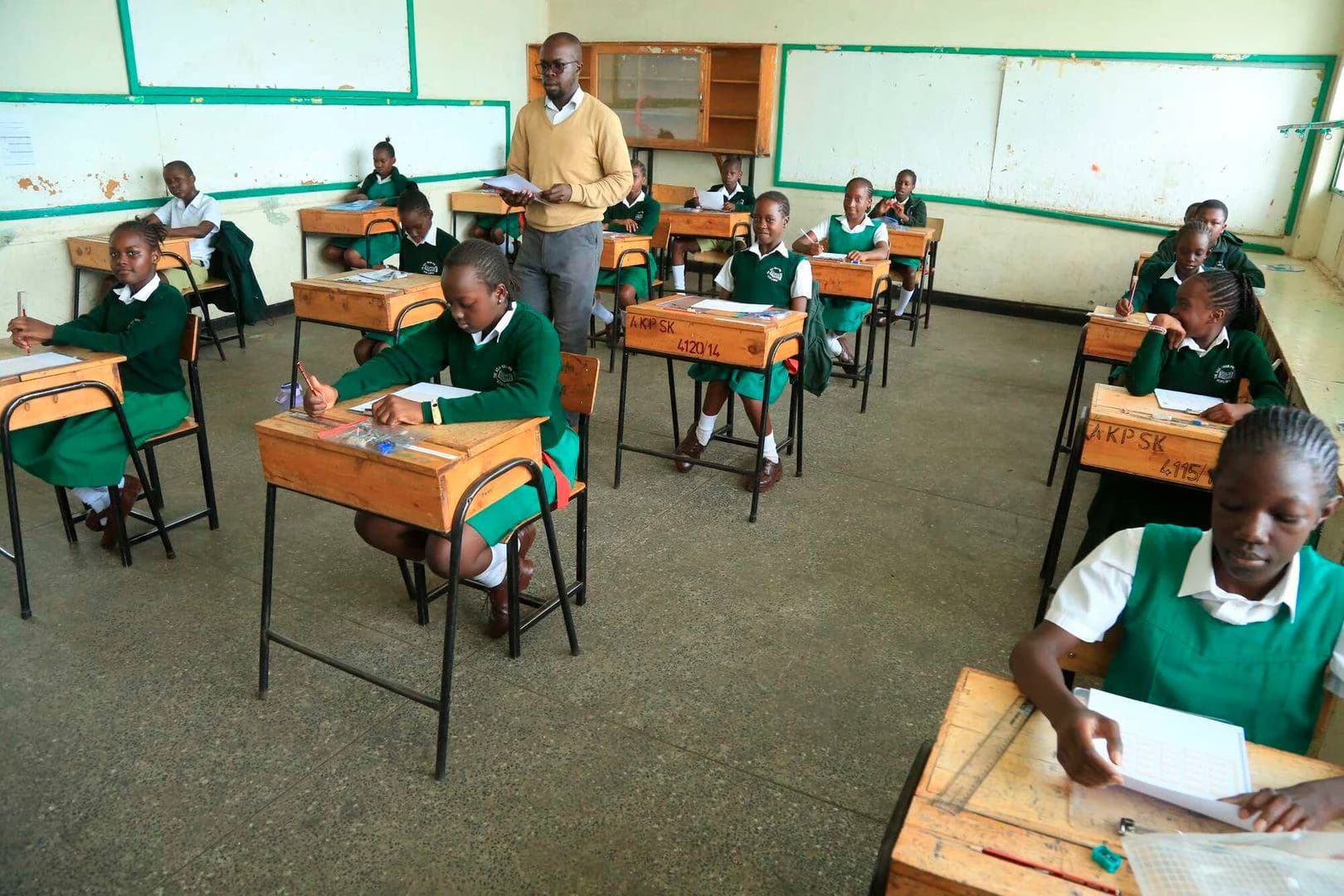







The success or failure of a school is written long before the year or term begins, and it all starts with teacher preparation. How lessons are planned, resources are organised, and learners’ needs are anticipated determine whether a term runs smoothly or spirals into chaos. Preparation is the invisible engine behind every productive classroom, every engaged learner, and every effective school term. Schools that invest in teacher readiness from the outset set the stage for discipline, engagement, and academic excellence. At the same time, those who neglect preparation often struggle with confusion, poor performance, and low morale.
When teachers prepare thoroughly before the term begins, they enter the classroom with clarity, focus, and confidence. Lesson plans, schemes of work, and teaching strategies provide direction, ensuring that content is delivered systematically and learning objectives are met. Prepared teachers do not rely solely on improvisation—they know what to teach, how to prepare it, and when to adapt to challenges that arise in class. This foresight allows lessons to flow naturally, enabling teachers to engage learners with activities, discussions, and examples that bring the curriculum to life. Preparation also gives teachers the confidence to manage the classroom effectively. When a teacher is prepared, they command authority without intimidation, handle questions and disruptions smoothly, and guide learners through lessons in a calm, organised manner. Confidence in planning directly translates to confidence in teaching, which in turn positively influences classroom discipline, learner participation, and overall morale.
A significant aspect of preparation is organising teaching and learning resources. Textbooks, charts, visual aids, laboratory equipment, and digital tools should all be ready before lessons begin. In practical subjects like science, technical education, and home science, preparation is crucial for safety and efficiency. A teacher who prepares the required materials in advance prevents wasted lesson time, reduces distractions, and ensures that practical lessons run smoothly. Nothing disrupts a lesson faster than a teacher scrambling for equipment or materials while learners wait impatiently. Well-prepared classrooms allow lessons to proceed seamlessly, keeping students engaged and minimising off-task behaviour. Beyond physical resources, preparation also involves arranging lesson flow, grouping learners strategically for discussions or group work, and anticipating potential challenges that may arise during activities.
READ ALSO:
https://educationnews.co.ke/how-parents-can-request-grade-10-placement-changes-through-the-junior-school-portal/
Every classroom is a mix of abilities, learning styles, and personalities. Understanding learners’ strengths and weaknesses before the term begins allows teachers to tailor their lessons to meet individual needs. Reviewing past assessments, learner profiles, and previous-term performance enables teachers to plan differentiated instruction—providing remedial support to weaker learners and enrichment opportunities for more advanced students. A prepared teacher does not wait for problems to appear. By anticipating areas where learners are likely to struggle, the teacher can integrate revision, examples, or targeted exercises into lesson plans. This proactive approach ensures that all learners have the opportunity to succeed and that no student is left behind. Knowing your learners also helps with classroom management, as teachers can anticipate potential behavioural challenges and plan strategies to maintain focus and discipline.
Assessment is not just a measure of learning; it is a tool for guiding instruction. Preparing assessments before the term begins allows teachers to design tests, quizzes, and assignments that are aligned with learning objectives and curriculum goals. Well-prepared assessments provide learners with clear expectations and enable teachers to monitor progress accurately. When assessments are planned, feedback becomes timely and meaningful. Teachers can identify gaps in understanding early and adjust lessons to address them, rather than discovering problems too late in the term. Furthermore, planned assessments reduce stress for both teachers and learners, as tests are spaced appropriately and lessons are structured to prepare students effectively.
Teacher preparation also improves time management. Knowing what to teach, when to teach it, and how long activities should take allows teachers to pace lessons efficiently. Time is allocated appropriately for teaching, revision, assessments, and remedial support. Prepared teachers can ensure that the syllabus is fully covered without rushing or skipping essential topics. Efficient time management reduces stress and creates a predictable learning environment. Students know what to expect, transitions between activities are smooth, and teachers can focus on teaching rather than constantly reacting to emergencies or disruptions. This structured approach also leaves room for innovation, such as incorporating group projects, debates, or creative exercises, without compromising syllabus coverage.
The cost of inadequate preparation is immediate and tangible. Lessons become disorganised, learning objectives are unclear, and students quickly lose focus. Classroom management suffers, and discipline becomes harder to maintain. When teachers improvise without planning, lessons can drift off-topic, essential concepts may be skipped, and learners’ understanding is compromised. Inadequate preparation also affects assessments. Tests and assignments may be poorly designed, misaligned with the syllabus, or administered inconsistently. This leads to unfair evaluation and unreliable results, which frustrate learners and reduce motivation. Resources may be wasted, lesson time may be lost, and the teacher’s credibility may be undermined. Over time, repeated unpreparedness damages the school’s reputation, lowers learner performance, and affects overall staff morale. Unprepared teachers are also more stressed. Constant improvisation leaves little room for reflection or creativity, and teachers often feel reactive rather than proactive. Stress and lack of confidence can affect communication, classroom management, and relationships with learners, parents, and colleagues.
Prepared teachers demonstrate professionalism. They arrive in class knowing their objectives, anticipating challenges, and ready to engage learners. Professionalism inspires respect and builds trust. Learners respond positively, participating actively, following instructions, and engaging in meaningful discussions. Conversely, unprepared teachers may struggle to command authority, leading to disengagement and disruption in the classroom. Preparation also allows teachers to innovate. With a solid plan in place, teachers can experiment with new teaching methods, incorporate interactive activities, and adjust lessons based on real-time feedback. This flexibility ensures that classes are not only practical but also interesting and relevant to learners.
The benefits of preparation extend beyond a single term. Schools that emphasise teacher readiness maintain consistent standards year after year. Learners build confidence, develop effective study habits, and remain motivated. Teachers maintain high professional standards, innovate, and feel fulfilled in their work. Preparation turns potential chaos into a smooth, productive, and enriching learning experience for everyone involved.
The message is clear: the seeds of school success are sown long before the first day of class. Teachers who prepare thoroughly set the stage for smooth operations, practical learning, and high achievement. Those who neglect preparation risk confusion, stress, and underperformance. Preparation is not optional—it is the backbone of every productive classroom, the key to engaging learners, and the foundation for a successful school term. Start the term strong, plan carefully, know your learners, and organise resources. When teachers are ready, schools thrive.
By Hillary Muhalya
You can also follow our social media pages on Twitter: Education News KE and Facebook: Education News Newspaper for timely updates.
>>> Click here to stay up-to-date with trending regional stories
>>> Click here to read more informed opinions on the country’s education landscape




Reader Discussion (0)
Sign in to comment