






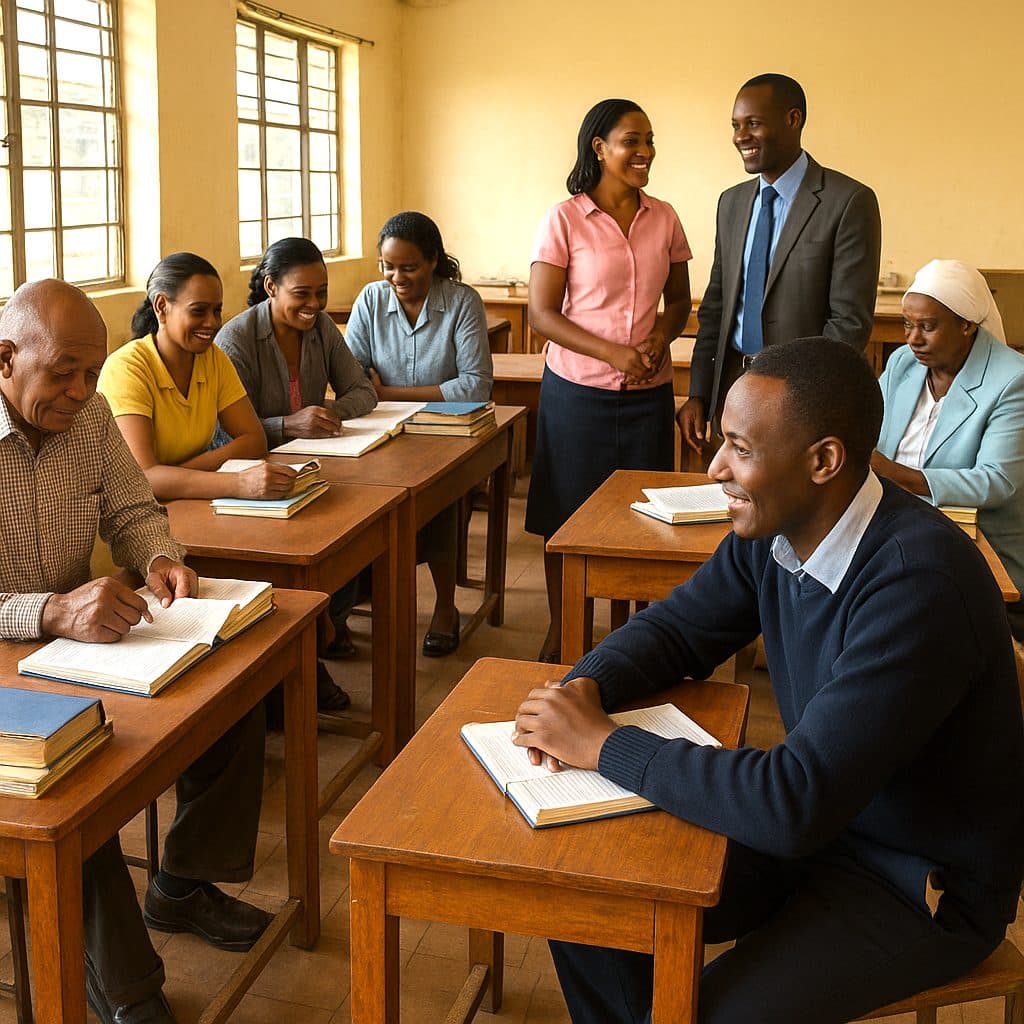
Behind the closed doors of many schools, a quiet storm brews, largely invisible to parents, policymakers, and even some school administrators. The staffroom, meant to be a hub of collaboration, professional reflection, and lesson planning, has in many institutions quietly transformed into a theater of power plays, politics, and personal agendas. What unfolds here does not stay confined to the staffroom—it echoes into classrooms, affects learners, and shapes the very quality of education.
From the moment a teacher steps into this space, the rules are already being written, often unwittingly. Some see the staffroom as a platform to assert dominance, subtly or overtly undermining colleagues to maintain or enhance their own standing. Gossip spreads like wildfire, alliances are formed and dissolved in whispers, and every minor disagreement is magnified, fueled by ambition or insecurity. Conversations about pedagogy are often drowned in chatter about promotions, favoritism, and influence with the school administration. The coffee pots may bubble over, but so does tension and, at times, outright hostility.
Staffrooms are microcosms of society itself. They host the politically savvy teacher who knows how to maneuver carefully to always be on the side of advantage. There is the silent observer who collects information, cataloging who speaks with whom and what is said, waiting for the right moment to leverage it. Then there are the disengaged educators, present physically but absent intellectually, whose only contribution is cynicism and complaint. When such personalities dominate, the staffroom ceases to function as a place of collaboration and instead becomes a battlefield where ego often trumps professionalism.
This chaos does not remain neatly behind closed doors. The ripple effect reaches learners in subtle but devastating ways. Instructions become inconsistent; lesson plans, when they exist, are applied haphazardly; opportunities for learner engagement are missed; and discipline is inconsistently enforced. Learners sense the tension indirectly, through abrupt changes in teaching styles, unequal attention, or the unpredictability of classroom management. In schools where staffroom politics are intense, even the most committed teachers may find their energy sapped by the constant negotiations, alliances, and conflicts, leaving less focus on actual teaching.
The staffroom also houses the ‘political operator’—the teacher who seems to know everything about everyone, including school policies, administration preferences, and colleagues’ weaknesses. This teacher is not just participating in education; they are subtly controlling it. Within weeks of joining a school, they may already have mapped the hierarchy, identified allies and adversaries, and begun quietly shaping outcomes in their favor. Decisions that should be based on merit or pedagogy—who teaches a class, who gets resources, or whose ideas are implemented—become entangled in subtle manipulation.
ALSO READ:
https://educationnews.co.ke/moe-orders-inquiry-into-pupils-death-at-gilgil-hills-academy/
Equally present is the ‘staffroom loyalist,’ teachers who align themselves with the powerful or popular, protecting their interests while defending the status quo. These loyalists often discourage dissent, whether consciously or unconsciously, and can stifle innovation or the introduction of better teaching practices. They create a culture where conformity is rewarded and independent thinking is subtly punished. This culture can be toxic, not just for staff morale but for the entire learning environment, as teachers fear pushing boundaries or suggesting improvements.
Then there are those who, despite good intentions, are drawn into the vortex of staffroom politics simply by association. Even committed, professional teachers find themselves forced to navigate alliances, fend off gossip, and strategically choose which debates to engage in. Over time, the constant tension erodes focus, creativity, and willingness to collaborate fully. In extreme cases, teachers may avoid the staffroom altogether, retreating to their classrooms to escape conflict, which ironically can worsen communication and coordination.
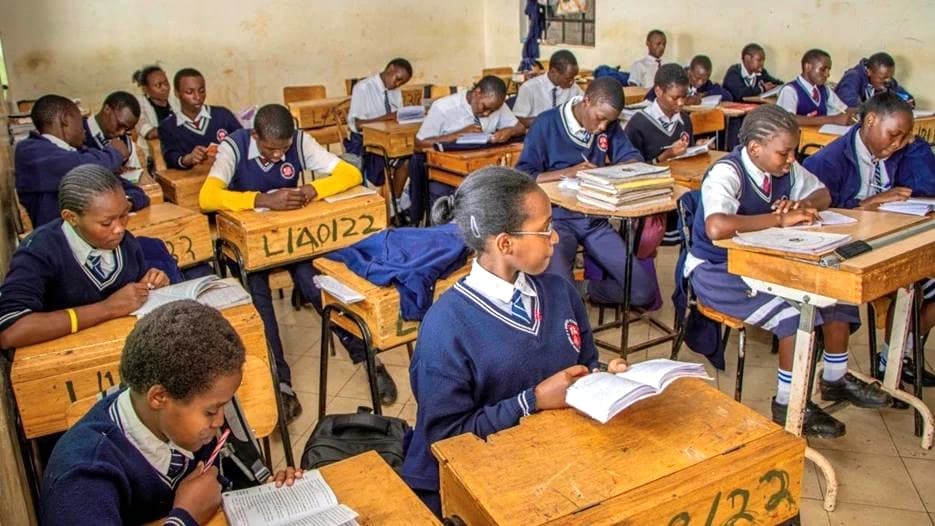
The consequences for learners are real and measurable. Students may experience inconsistent lesson quality, favoritism in grading, and a fragmented learning experience. For instance, when teachers are engaged in rivalry rather than planning collaboratively, some learners may be overlooked entirely. The curriculum is delivered unevenly, with some topics covered thoroughly and others skipped or superficially handled. The very ethos of competency-based education—aimed at building skills and understanding rather than rote learning—is undermined when staffroom dynamics prioritize politics over pedagogy.
Even small decisions—who gets assigned to teach a particular class, which activities are prioritized, or how resources are allocated—can become flashpoints in staffroom power struggles. Whispered emails, side conversations, and informal agreements become the norm. By the time classroom instruction reaches learners, the chaos of staffroom politics has often already left its mark: rushed lessons, poorly coordinated group activities, and uneven support for struggling students. The result is not only diminished learning outcomes but also a culture where mediocrity can thrive, and excellence is quietly discouraged.
School leaders face a formidable challenge. They must cultivate collaboration, encourage open discussion, and enforce professionalism, all while managing personalities that are often at odds with each other. Policies alone are insufficient; they require consistent enforcement, transparency, and accountability. Leaders must also be vigilant against favoritism and the subtle manipulation that can occur behind closed doors. When school management fails to address staffroom politics, they effectively allow chaos to seep into the classroom.
ALSO READ:
https://educationnews.co.ke/shock-as-nyamira-teacher-found-dead-in-his-house-investigations-underway/
Yet, staffroom chaos is not inevitable. Many schools have successfully transformed these spaces into hubs of creativity, collaboration, and professional growth. Clear communication, shared goals, and a culture of mutual respect can convert potential conflict into constructive dialogue. Professional development sessions that include team-building, conflict resolution, and leadership training help teachers navigate interpersonal challenges without compromising learning outcomes. Importantly, fostering a culture of accountability ensures that decisions affecting learners are based on merit and evidence, not politics or personal preference.
Understanding the staffroom’s hidden dynamics is crucial for anyone involved in education. Parents, policymakers, and even students often underestimate how much influence these closed-door interactions have on the quality of teaching and learning. Observing classrooms alone does not provide the full picture; the decisions, alliances, and conflicts that happen in staffrooms shape the very fabric of the educational experience. For schools aspiring to achieve high standards, addressing staffroom culture is not optional—it is imperative.
Ultimately, the staffroom should be a place of support, not sabotage; a place where ideas are exchanged, challenges are addressed, and solutions are collaboratively crafted. It should nurture teachers, who in turn nurture learners. When this balance is disrupted, chaos can flourish unnoticed, slowly eroding educational quality from the inside out. School leaders must recognize that managing human dynamics is as critical as managing curricula. Only by bringing transparency, accountability, and professional integrity into the staffroom can we ensure that it becomes the engine of learning it was always meant to be.
The hidden chaos behind closed doors can no longer remain invisible. The staffroom is more than a room with chairs and coffee pots; it is the pulse of a school. And when its rhythm falters, the heartbeat of learning falters with it. By confronting these dynamics openly, enforcing professionalism, and fostering collaboration, schools can transform the staffroom from a battleground into a cradle of excellence.
By Hillary Muhalya
You can also follow our social media pages on Twitter: Education News KE and Facebook: Education News Newspaper for timely updates.
>>> Click here to stay up-to-date with trending regional stories
>>> Click here to read more informed opinions on the country’s education landscape

Reader Discussion (0)
Sign in to comment