



St. Patrick’s Naitiri Boys Senior School, located in Bungoma North, stands as a symbol of excellence in both academics and holistic student development. Since its establishment in 1962, the school has consistently nurtured bright minds, producing leaders and scholars who have gone on to impact various spheres of national life.
Today, the school enjoys the distinction of being 15th in the larger Bungoma region and the best performing school in the diocese, a reflection of sustained efforts to maintain high standards of education, discipline, and innovation.
Much of this remarkable progress is attributed to the visionary leadership of Chief Principal Samuel Barasa Kiminisi, widely regarded as the pearl of the school. His invaluable experience, exceptional leadership skills, alignment with national education policies, and remarkable track record have transformed St. Patrick’s into a model institution, both locally and nationally.
Principal Barasa’s journey in education is both inspiring and instructive. A Bachelor of Education graduate from Moi University and holder of a Postgraduate Diploma in Education, he began teaching in 1994 and embarked on leadership roles in 2006.
Over the years, he has served as head of department, deputy principal, senior principal, and now chief principal, experiences that have provided him with a profound understanding of both teaching and school management.
His career trajectory spans several prestigious institutions, including Kirisia Senior School in Samburu, Kapenguria Boys, Per Mixed, and Chewoyet, each of which enriched his approach to leadership, curriculum implementation, and learner-centered management. This extensive background has equipped him with invaluable experience, allowing him to navigate the challenges of educational leadership with confidence, clarity, and vision.
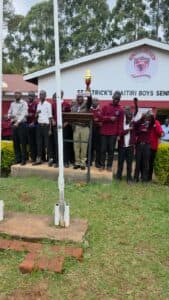
Principal Barasa Kanisi celebrates school’s victory in games/Photo by Hillary Muhalya
Under his guidance, St. Patrick’s has developed a clear, ambitious vision, articulated as: “To transform St. Patrick’s Naitiri Boys into a national and continental centre of academic, moral, and co-curricular excellence, where every learner is empowered to think critically, lead courageously, and impact the world with integrity and innovation.”
This vision is not merely aspirational; it is the cornerstone of the school’s planning, teaching, and extracurricular programs. Every initiative, from classroom instruction to co-curricular engagement, aligns with this mission, ensuring that learners are equipped with the skills, knowledge, and values necessary to excel in a competitive and ever-changing world.
Principal Barasa’s leadership philosophy emphasises alignment with national education standards and a strong adherence to policies laid out by the Ministry of Education and the Teachers Service Commission (TSC). By integrating these standards with his innovative and personalized leadership approach, he ensures that teachers deliver high-quality instruction while learners consistently achieve excellent results. The school’s leadership team, which includes deputy principals Charles Munyendo, Timothy Muyekho, and Johnson Wanyonyi, works collaboratively under his direction, supported by a Board of Management chaired by Professor Gelas Simiyu of University of Eldoret. Together, they oversee a structured system where academic rigor, discipline, and co-curricular excellence are intertwined, creating an environment where both staff and students thrive.
St. Patrick’s currently serves 1,105 students, supported by 32 TSC-registered teachers, 10 Board of Management teachers, and 32 support staff. The school has invested in modern infrastructure, including internet-enabled computer labs and four fully equipped science laboratories, which provide learners with essential tools for research, experimentation, and digital literacy. Practical learning in physics, chemistry, biology, and integrated sciences develops critical thinking and analytical skills, complementing theoretical knowledge.
ALSO READ:
https://educationnews.co.ke/how-to-apply-for-degree/
Beyond academics, the school has well-established counseling services in partnership with Kenyatta National Hospital, addressing mental health, drug and substance abuse prevention, and personal development, while ensuring learners with physical challenges have access to supportive and inclusive learning spaces. The careful design of infrastructure and support services demonstrates the school’s commitment to providing a holistic and inclusive learning environment, where every learner is empowered to reach their potential.
Academically, St. Patrick’s has a stellar record of performance. In the most recent examination cycle, 292 candidates sat for national exams; whereby 270 attained university entry marks, achieving an impressive 92.4% success rate. The mean score increased from 6.7 to 8.2, reflecting the tangible results of Principal Barasa’s strategic interventions.
His approach emphasizes targeted teaching, remedial programs, continuous assessment, and meticulous monitoring, ensuring that every learner receives the support necessary to improve and succeed.

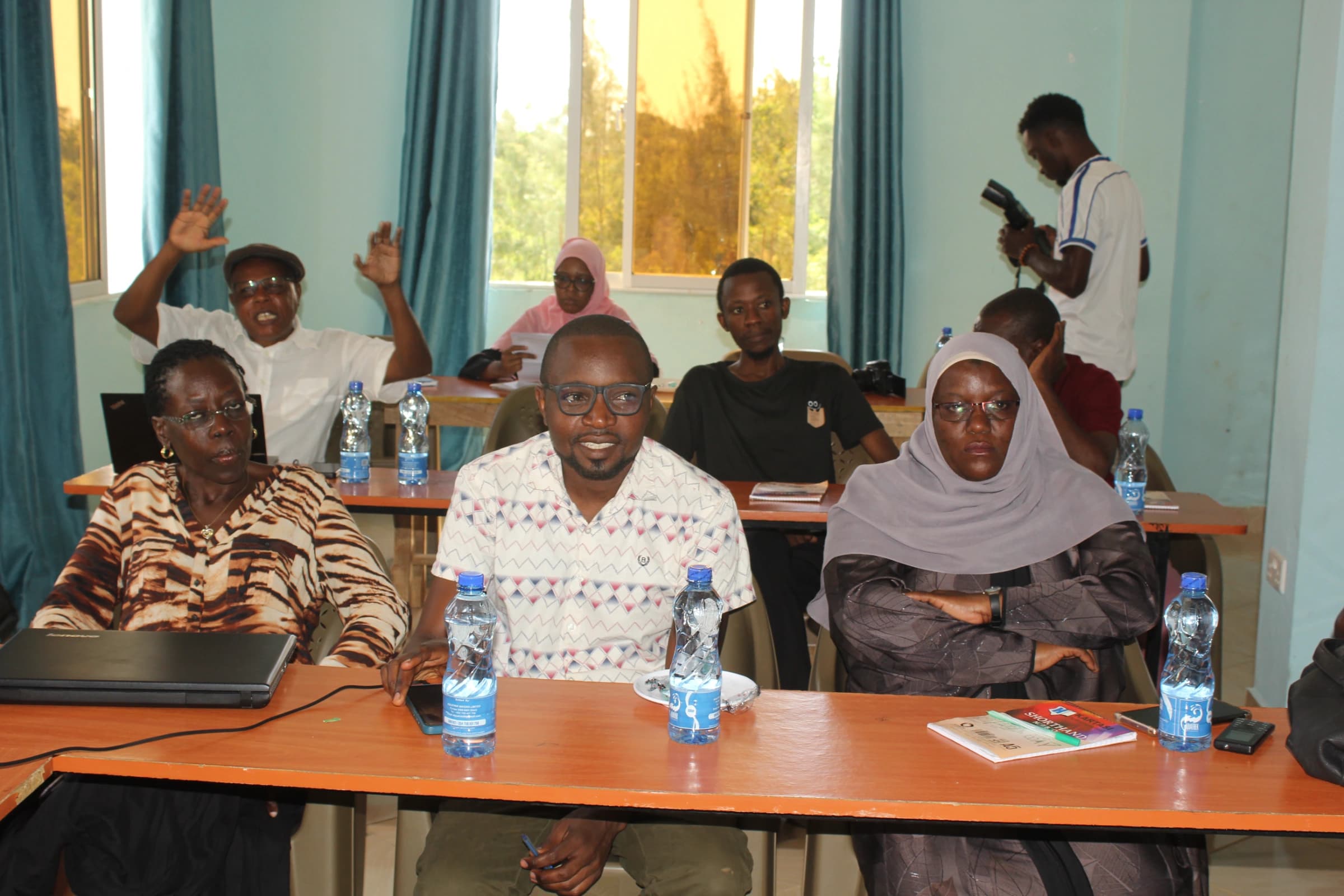
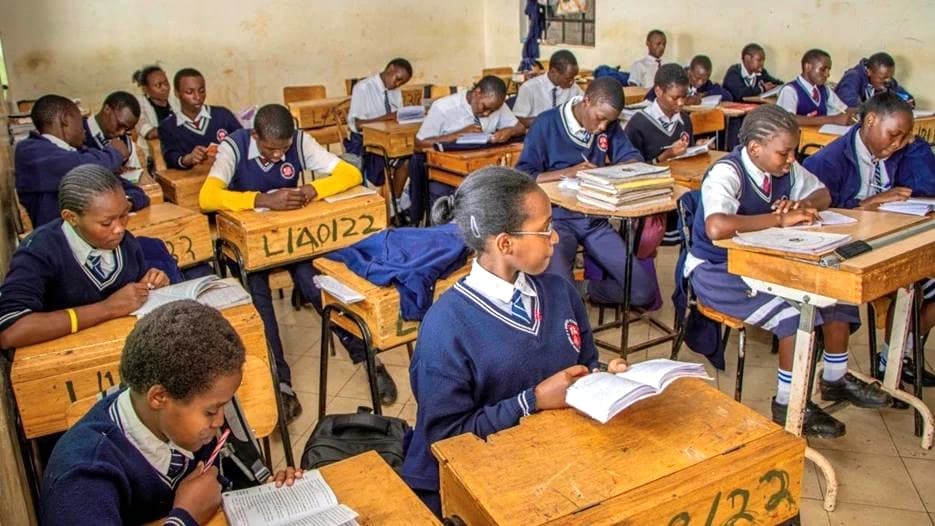
St.Patrick’s Naitiri Boys senior school students follow proceedings. Photo file
Teachers are encouraged to innovate, maintain meticulous records, and align their teaching strategies with both the TSC and Ministry of Education directives. This combination of strategic oversight, teacher accountability, and personalized learner support has fostered a culture of discipline, diligence, and high expectations, which permeates the entire school community.
Beyond academics, the school is renowned for its robust co-curricular programs, which develop leadership, teamwork, creativity, and resilience among learners. The Journalism Club is particularly active, producing newsletters and media content that sharpen students’ communication and analytical skills. Sports, debates, drama, and cultural activities are integral to the curriculum, fostering well-rounded development.
A notable achievement is the Chess team reaching the national level, an accomplishment that underscores the school’s ability to cultivate strategic thinking, focus, and problem-solving skills. Principal Barasa ensures that staff participation is structured, purposeful, and consistent, making co-curricular programs a central pillar of the school’s identity and success.
A defining highlight of the school’s journey under Principal Barasa was the visit by His Excellency President William Ruto. The President’s address was far more than ceremonial; it was a catalyst for inspiration, encouraging learners to embrace excellence, aim high, and cultivate the values of discipline, perseverance, and ambition. The visit energized both students and staff, reinforcing the school’s culture of achievement and highlighting the national recognition and esteem the school commands.
St. Patrick’s rich legacy is further reflected in its distinguished alumni, whose accomplishments illustrate the impact of the school’s nurturing and high-quality education. Among them are Professor Edward Kisangani of the Office of the President, a respected leader in governance; Professor Ngome, an esteemed academic; and Fernandez Barasa, Governor of Kakamega County, who exemplifies leadership and public service. These alumni serve as a testament to the school’s enduring influence and the effectiveness of Principal Barasa’s mentorship and vision.
Despite its remarkable achievements, St. Patrick’s continues to pursue development in several key areas. The school faces challenges, including inadequate dormitory space, the need for competency-based education workshops in electricity and metalwork, and infrastructure enhancements such as landscaping and laying gabros to improve the learning environment. However, under Principal Barasa’s experienced and visionary leadership, these challenges are approached as opportunities for growth and continuous improvement, ensuring the school’s sustainability and long-term success.
Chief Principal Samuel Barasa Kiminisi is rightly celebrated as the pearl of St. Patrick’s. His leadership style is characterized by hands-on engagement with learners and teachers, meticulous strategic planning, continuous monitoring, and a strong focus on character and moral development alongside academic excellence.
He inspires and motivates staff and students, fostering a culture of accountability, innovation, and relentless pursuit of quality. Under his stewardship, St. Patrick’s has become a school that not only excels academically but also shapes learners into disciplined, innovative, and socially responsible individuals, prepared to excel in higher education and make meaningful contributions to society.
ALSO READ:
https://educationnews.co.ke/fighting-ghost-learners-principals-break/
The achievements of St. Patrick’s Naitiri Boys under Principal Barasa Kiminisi are multifaceted and far-reaching. Academic performance has consistently improved, co-curricular programs have achieved national recognition, learners are motivated and disciplined, and staff are empowered and committed. The school’s vision, bold and transformative, has translated into tangible outcomes, making it a leading institution in Bungoma North, a role model in the diocese, and a national reference point for excellence.
Every program, policy, and initiative at the school reflects the values of discipline, integrity, innovation, and holistic development that Principal Barasa instills in both staff and learners.
In summary, St. Patrick’s Naitiri Boys Senior School is a testament to visionary leadership, strategic planning, and the pursuit of excellence. Principal Samuel Barasa Kiminisi has elevated the school through experience, innovation, and unwavering commitment, transforming it into a center of academic, moral, and co-curricular excellence. His influence, mentorship, and strategic oversight continue to shape generations of learners, producing leaders, thinkers, and innovators who will leave a lasting impact on the nation. The school’s trajectory under his guidance is one of sustained growth, national recognition, and holistic excellence, truly earning Principal Barasa the title of the pearl of St. Patrick’s.
By Hillary Muhalya
You can also follow our social media pages on Twitter: Education News KE and Facebook: Education News Newspaper for timely updates.
>>> Click here to stay up-to-date with trending regional stories
>>> Click here to read more informed opinions on the country’s education landscape



Reader Discussion (0)
Sign in to comment