






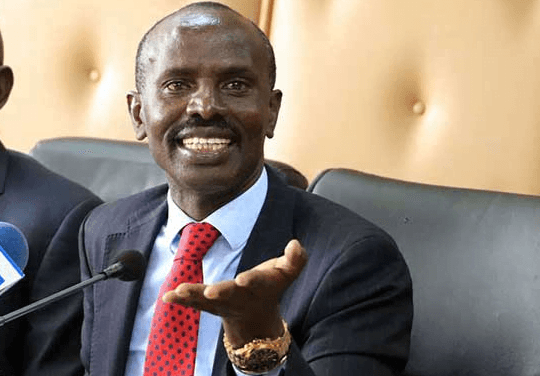
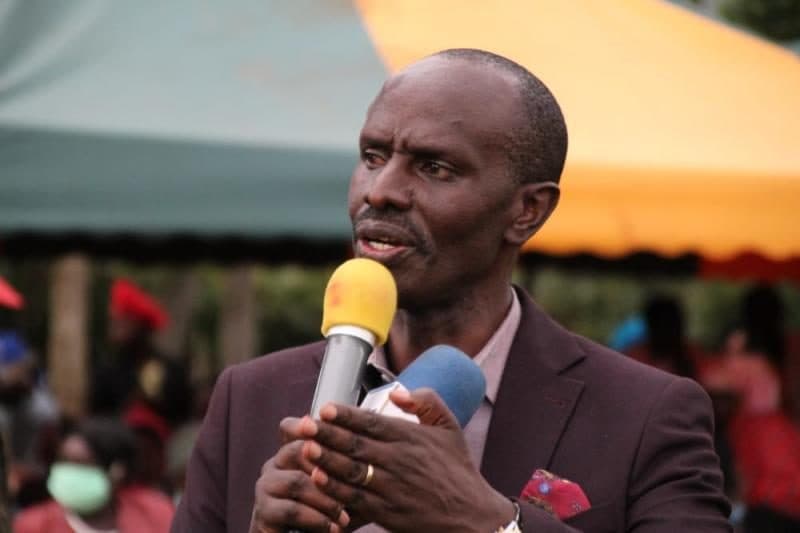
Former Kenya National Union of Teachers (KNUT) Secretary General Wilson Sossion has called for ongoing evaluation of Kenya’s Competency‑Based Education (CBE) curriculum to ensure its pathways remain flexible, learner‑centred, and aligned with the country’s socio‑economic needs.
Speaking during a breakfast show in one of the local Television today, Sossion warned that rigid academic tracks risk locking learners into pathways that may not reflect emerging skills demands or individual talents. He argued that the framework should be treated as dynamic, with regular adjustments informed by evidence and stakeholder feedback.
“The Competency Based Education framework should not be treated as static. It must be reviewed continuously to ensure its pathways are relevant, flexible and responsive to the needs of learners and the job market,” Sossion said.
According to Sossion, continuous assessment and reform are essential to strengthen public confidence and ensure education remains a tool for empowerment rather than exclusion.
ALSO READ:
https://educationnews.co.ke/kfs-demolition-of-loramoru-primary-reignites-tensions-in-resettled-baringo-community/
Sossion noted that while CBE was designed to nurture talents, competencies, and practical skills, its success depends on effective implementation and timely refinement of pathways.
He emphasised the need for adequate infrastructure, trained teachers, and robust career guidance to support transitions across the curriculum’s stages.
“Without sufficient investment in teacher training, learning resources and clear transition mechanisms, the pathways risk becoming theoretical rather than practical,” he added.
He urged the Ministry of Education to deepen engagement with teachers, parents, learners, and education experts in reviewing the system, saying inclusive dialogue would help address emerging gaps and public concerns.
Since its rollout, CBE has sparked wide debate with critics citing inadequate facilities, heavy teacher workloads, and uncertainty around senior school pathways, while supporters argue the model better equips learners with practical skills for the modern economy. Sossion said flexibility of the curriculum must stay at the centre of reform as the country implements the new pathways.
By Masaki Enock
You can also follow our social media pages on Twitter: Education News KE and Facebook: Education News Newspaper for timely updates.
>>> Click here to stay up-to-date with trending regional stories
>>> Click here to read more informed opinions on the country’s education landscape


Reader Discussion (0)
Sign in to comment