






There is a silence that does not appear in staff minutes. A silence that is not captured in academic reports, inspection forms, or school performance rankings. It is the silence of teachers in private schools—men and women who walk into classrooms every morning with heavy hearts, forced smiles, and exhausted minds, yet still expected to deliver excellence as though they are untouched by struggle.
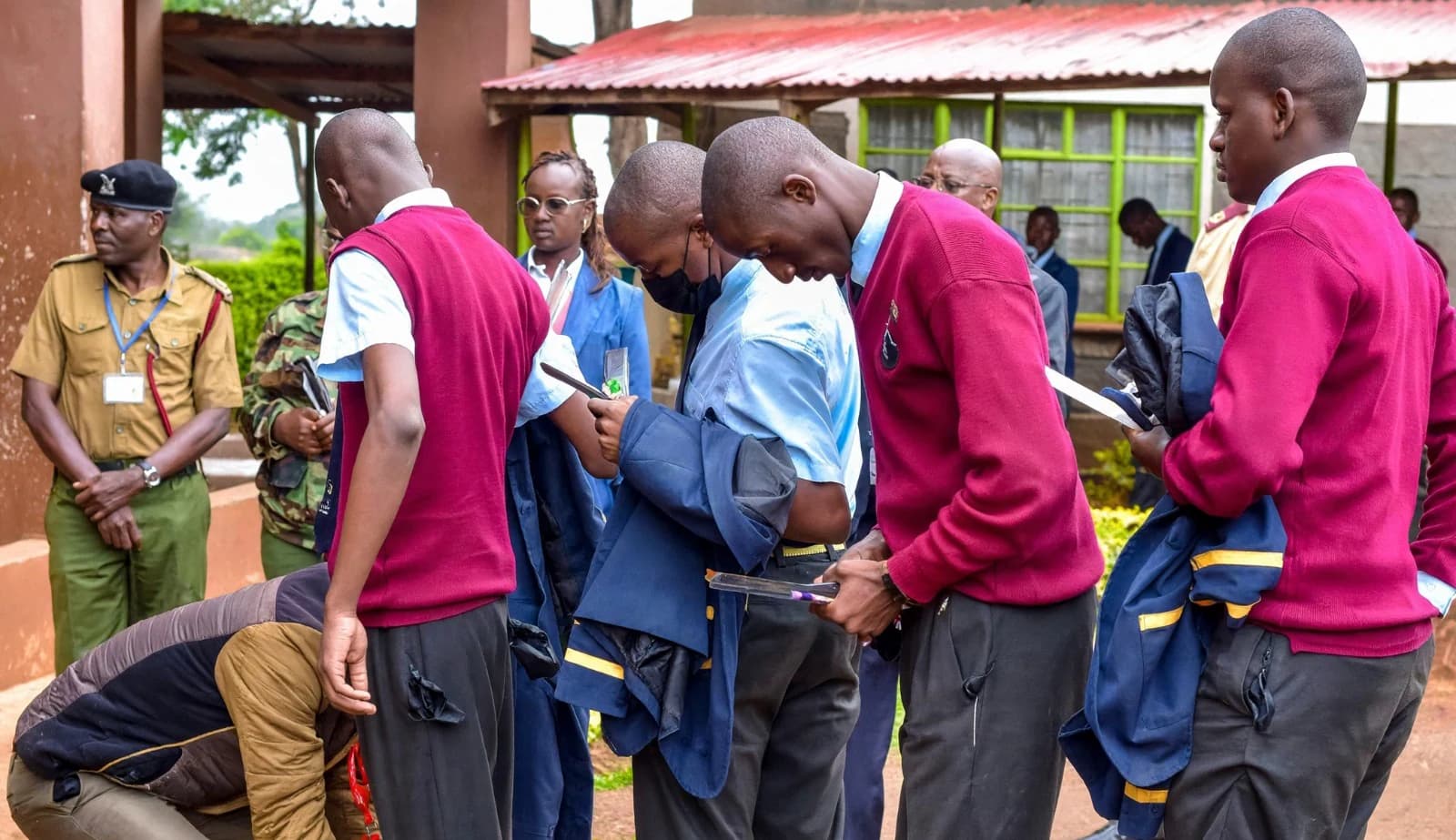
On the surface, private schools often present an image of order, ambition, and academic precision. Clean uniforms, polished gates, disciplined learners, and structured timetables create an impression of efficiency. But behind this carefully maintained image lies a reality that is rarely spoken about openly: the emotional, financial, and psychological strain carried by teachers who hold these institutions together.
Many teachers in private schools live in a cycle of uncertainty that begins with their salaries. Payment delays, partial disbursements, and vague promises have become part of an unspoken system. Teachers learn to adjust their lives around phrases like “next week” or “be patient, we are working on it.” Yet rent does not wait. Bills do not pause. Families do not understand the delays that follow a full month of work already delivered. Slowly, dignity begins to erode, not because teachers are weak, but because they are made to survive in systems that ignore timing as a form of respect.
What makes the pain deeper is not just the delay, but the contradiction. Parents often pay school fees early and in full. School directors are aware of the inflow of money. Yet when it comes to teachers, liquidity suddenly becomes a problem. The same institution that thrives on discipline and accountability struggles to apply the same principles to its own workforce. Teachers are left questioning whether they are valued professionals or just flexible expenses in a business model that prioritises survival over stability.
Beyond financial strain lies another heavy burden: emotional exhaustion. Teaching is already a profession that demands energy, patience, and constant emotional regulation. In private schools, that demand is multiplied. Teachers are expected to be educators, counsellors, disciplinarians, mentors, examiners, and sometimes even surrogate parents. They manage classrooms full of diverse learners, each with unique needs, while simultaneously dealing with administrative pressure to produce results that justify school fees and maintain reputation.
Morning lessons are only the beginning. Evening preparation stretches late into the night. Weekends, which should offer recovery, are often consumed by remedial sessions, marking, and planning. The body tires, but expectations never rest. And yet, in this exhaustion, appreciation is rare. Recognition is conditional. It is often only when results are strong that teachers are briefly acknowledged, as though their effort exists only in outcomes and not in process.
There is also a quiet emotional violence in how staff are sometimes treated during meetings. Instead of being spaces for reflection and professional growth, many meetings become platforms for criticism and pressure. Teachers are reminded of targets, failures, and expectations in tones that leave little room for dialogue. Mistakes are amplified, while effort is often overlooked. Over time, these meetings stop feeling like professional gatherings and start feeling like interrogations. Fear replaces collaboration. Silence replaces contribution.
In such environments, teachers begin to withdraw emotionally. They do their work, but their spirit slowly detaches. They teach, but without the same enthusiasm that once made them passionate educators. This emotional withdrawal is not laziness. It is survival. It is what happens when a profession that requires heart is practised in conditions that constantly drain it.
Job insecurity adds another layer to this silent pain. Unlike public service, where employment tends to offer more stability, many private school teachers work under short-term contracts or informal arrangements. Renewal of contracts can depend on performance, school finances, or, at times, unclear administrative decisions. This creates a constant undercurrent of fear. Teachers do not just think about how to teach better; they think about whether they will still have a job next term. That uncertainty becomes part of their daily mental load.
And yet, despite all this pressure, they are expected to remain loyal. Loyalty is demanded in speeches, in staff briefings, and in school culture slogans. Teachers are told to be committed, to sacrifice, to go the extra mile. But sacrifice without support becomes exploitation. Loyalty without dignity becomes bondage. Passion without stability becomes burnout.
One of the most painful contradictions is the way schools invest heavily in appearances while neglecting the internal structures that sustain them. Beautiful gates, freshly painted classrooms, modern signage, and well-designed logos are prioritised because they are visible and attractive to parents. These are important for marketing and perception. But beneath these polished surfaces, the human infrastructure is often neglected. Teachers who deliver the academic results are left struggling with delayed salaries, excessive workloads, and minimal emotional support.
In the long run, this imbalance becomes destructive. A school can only project excellence for so long before internal cracks begin to show. Teachers leave, not always loudly, but quietly. Some resign abruptly. Others finish their contracts and never return. A few remain physically present but mentally detached, counting days rather than building careers. This constant turnover affects continuity, mentorship, and institutional memory, yet it is often treated as a staffing issue rather than a systemic problem.
Parents, too, add to the pressure in ways that are not always visible. Expectations are high, and understandably so, because they are paying for education. But sometimes the pressure is directed entirely at teachers, without understanding the conditions under which they work. Every academic dip becomes a teacher’s failure. Every disciplinary issue reflects incompetence. Rarely is there a balanced understanding of the fact that teachers operate within systems shaped by leadership decisions, resource allocation, and institutional priorities.
The psychological toll of this environment is significant. Many teachers silently struggle with anxiety, stress, and emotional fatigue. They wake up tired, teach while exhausted, and sleep with unfinished marking or lesson planning on their minds. Yet mental health support in many private schools remains minimal or nonexistent. Teachers are expected to be resilient without support, strong without protection, and consistent without replenishment.
What is even more tragic is that many teachers entered the profession with passion. They chose teaching not as a fallback, but as a calling. They wanted to shape minds, build futures, and contribute to society. But over time, the system reshapes them. Passion becomes responsibility. Joy becomes routine. Purpose becomes pressure. And for some, teaching becomes something they endure rather than enjoy.
Despite all this, teachers continue to show up. That in itself is a quiet form of strength that often goes unnoticed. They stand in front of learners, explain complex concepts, mark books late into the night, and correct mistakes with patience they are rarely given in return. They carry the weight of futures they may never fully benefit from, yet they persist.
The silence of teachers in private schools is not the absence of voice. It is the absence of space to safely express that voice. Many fear speaking out because of job insecurity. Others have normalised suffering to the point where it feels like part of the profession. Some simply do not believe anything will change. And so, the silence continues—not because there is nothing to say, but because there is nowhere to say it.
If private education is to truly succeed, then it must confront this silent pain. Schools cannot thrive on infrastructure alone. They cannot build reputations on results while ignoring the people who produce those results. Teachers are not temporary instruments of performance; they are the foundation of every academic achievement.

Respect for teachers must go beyond speeches. It must be reflected in timely salaries, reasonable workloads, supportive leadership, fair contracts, and emotionally safe working environments. Anything less is not sustainability—it is slow collapse disguised as success.
READ ALSO: Of teachers who build their own kingdoms in private schools-And threats they pose
The silent pain of teachers in private schools is not just a professional issue. It is a moral one. It asks a simple yet uncomfortable question: what is the real cost of education when those who deliver it are left to carry invisible burdens?
Until that question is answered honestly, the silence will remain. And behind every polished school gate, there will continue to be teachers who are giving their best while silently paying the price.
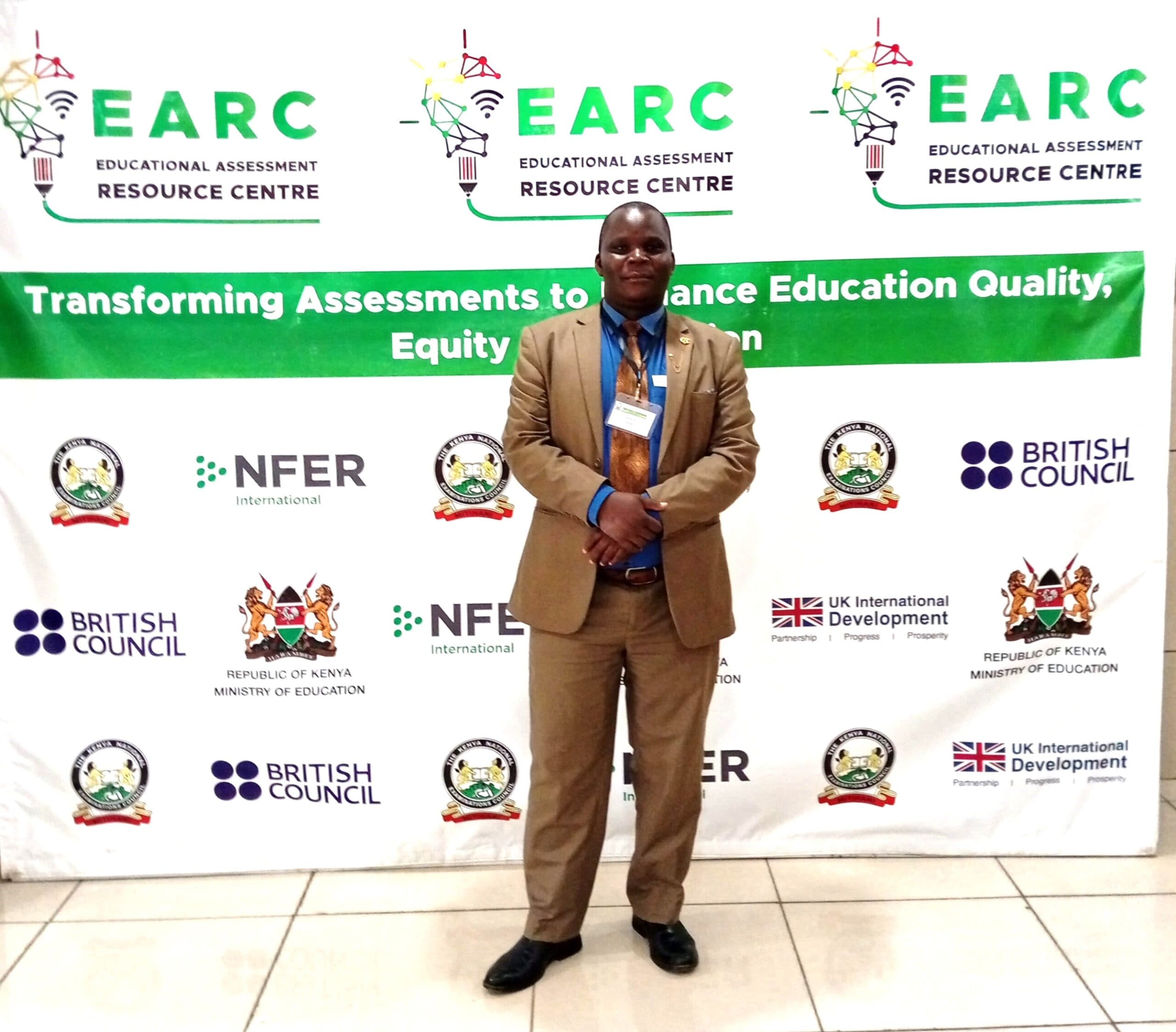
By Hillary Muhalya
You can also follow our social media pages on Twitter: Education News KE and Facebook: Education News Newspaper for timely updates.
>>> Click here to stay up-to-date with trending regional stories
>>> Click here to read more informed opinions on the country’s education landscape




Reader Discussion (0)
Sign in to comment