









A Kenyan university can trust you with a lecture hall full of students, a pile of exam scripts and the sacred duty of shaping future professionals, yet still fail to trust you with a salary. That is the bitter contradiction many part-time lecturers in Kenya know too well.
Behind the polished university brochures, graduation gowns, and ambitious mission statements lies a painful truth that rarely enters public discussion: hundreds of part-time lecturers are trapped in a cycle of delayed, denied, and manipulated payments. Some work for a full academic year and sometimes even longer, without receiving a cent. To an outsider, this sounds absurd. To many within the system, it is painfully normal.
The tragedy is that this kind of exploitation does not begin with force. It begins with hope. A young PhD student, a recent master’s graduate, or an ambitious early-career academic spots a part-time lecturing opportunity and sees it as a breakthrough. It feels like the long-awaited academic doorway, the chance to build a curriculum vitae, gain experience, sharpen classroom presence and perhaps open the path to permanent employment. They apply, attend the interview and get selected. Then comes the first warning, usually wrapped in soft language and institutional politeness: payment will be made at the end of the semester, after exam results are submitted or once capitation is released. In the excitement of finally being called ‘lecturer,’ many agree without realising they are stepping into a carefully laid trap.
What follows is often a masterclass in silent manipulation. In many cases, the university avoids issuing an official appointment letter or delays it indefinitely. This is not always innocent inefficiency. It is often a convenient shield against future accountability. Without formal documentation, the lecturer begins work on little more than verbal promises, departmental assurances, and hopeful faith. Yet the institution has no problem loading them with full academic responsibilities. They are assigned classes, expected to prepare lessons, teach consistently, supervise coursework, invigilate exams, mark scripts and submit results on time. Students know them as lecturers. The department depends on them as lecturers. The timetable recognises them as lecturers. Only the payroll seems uncertain about their existence.
Then the semester ends, and the first cruel silence begins. No salary comes. Instead, there are excuses. Finance is processing. Management is aware. Capitation has been delayed. The file is moving. Just hold on a little longer. Another semester begins, and the same lecturer is asked to continue teaching as they ‘finalise’ pending dues. By now, they are entering a third semester without pay, and the trap has fully tightened around them. If they stop teaching, they risk losing everything already owed to them. If they continue, they are effectively volunteering at a postgraduate level while being fed on promises and postponements. This is how exploitation survives in Kenyan universities; not through dramatic confrontation, but through calculated patience, emotional pressure and the manipulation of academic ambition.
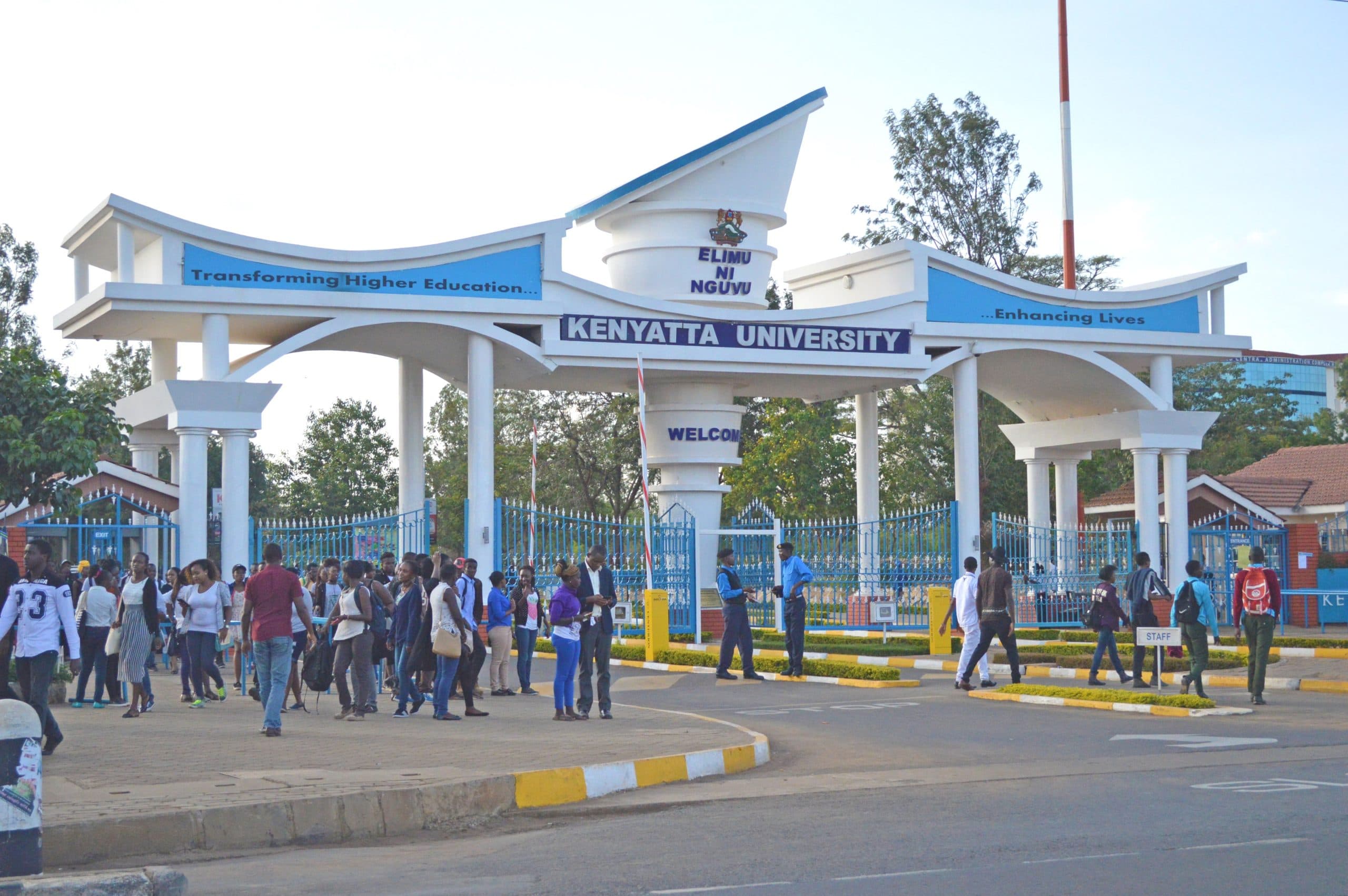
The cruelty becomes even sharper when funds are eventually released, and lecturers realise they are still not a priority. Suddenly, the university has money for cabro paving, fresh paint, new signposts, landscaping, office furniture, ceremonial launches and endless cosmetic ‘development’ projects. A struggling lecturer can walk into campus and watch pavements gleam under the sun while their unpaid salary remains buried under files and excuses. It is a painful insult. A university is not built by flower beds, gates or decorated walls. A university is built by minds. It is built by classrooms, ideas, lectures, debates, and the people who bring knowledge into students’ lives. To glorify infrastructure while starving the intellectual labour force is not merely poor planning; it is academic hypocrisy at its finest.
Many lecturers endure because the system is psychologically designed to keep them hanging on. Once in a while, partial payments begin to trickle in, perhaps settling one semester while leaving two or three others pending. This creates false hope. The lecturer tells themselves they are finally getting somewhere, that maybe one more semester will clear the balance. But that ‘one more semester’ becomes another year of exploitation. Slowly, the person who entered academia with passion and pride begins to experience burnout, anxiety, debt and humiliation. Rent piles up. Family responsibilities intensify. Motivation starts dying quietly. Yet because they have already invested so much time and labour, walking away feels like surrendering hard-earned money to an institution that may never pay.
Some eventually leave, carrying invisible scars. They leave with unpaid arrears, bruised dignity and the bitter memory of having taught professionally while living like a volunteer. Others remain trapped for longer, fearing that quitting means losing everything. And because desperation is renewable, universities simply recruit another batch of hopeful young scholars to replace those who leave. Another fresh PhD student. Another ambitious graduate. Another dreamer willing to accept delayed pay in exchange for ‘exposure’ and ‘experience.’ That is how the cycle sustains itself; not because lecturers are foolish, but because institutions have learnt how to exploit academic hunger and professional vulnerability.
Leadership transitions often make matters worse. A new Vice Chancellor, Deputy Vice Chancellor, or finance officer may arrive and casually dismiss claims from the previous administration, citing verification challenges, missing records, or a lack of official documentation. In one administrative shrug, months or even years of labour can vanish into bureaucratic darkness. The lecturer is left chasing signatures, evidence and ghosts. What was once a promise becomes a dispute. What was once professional work becomes an argument about whether they were ever formally engaged at all. This is not merely an administrative failure. It is institutional injustice disguised as procedure.
To be fair, not all universities in Kenya operate this way. Some institutions have made commendable efforts to honour part-time lecturers within clear and reasonable timelines. That proves something important: delayed pay is not an unavoidable reality of higher education. It is a matter of leadership, ethics and priorities. The real problem is that too many institutions have normalised lecturer suffering as if it were a harmless inconvenience rather than a serious labour rights issue.
Part-time lecturers must therefore learn to protect themselves before the trap closes. No one should begin teaching without a written appointment letter. No one should rely on verbal promises when rent, food, transport and survival depend on income. Payment timelines must be clear and documented. Every lecturer should keep their own records with almost obsessive seriousness: timetables, departmental communications, attendance evidence, signed forms, result submissions, and any proof of work done. In systems where exploitation thrives, paperwork becomes armour. Beyond that, lecturers must also stop romanticising suffering in the name of passion. Exposure does not pay bills. Prestige does not buy supper. There is nothing noble about being overworked and unpaid by an institution wealthy enough to print banners and pave roads.
At a broader level, this issue demands structural intervention. Lecturer unions, academic associations, labour offices and the Commission for University Education must stop treating chronic non-payment as an internal inconvenience for universities to sort out quietly. It is a serious labour and governance issue that directly affects the quality of higher education in Kenya. A nation cannot claim to value knowledge while humiliating the people who deliver it. Students suffer when lecturers are demoralised, distracted and financially unstable. The country suffers when academia becomes a hunting ground for exploitation rather than a sanctuary for intellectual growth.
READ ALSO: Why lecturers challenged mandatory retirement age and what they expect
Kenya must decide whether it truly respects its educators or merely uses them. A society that can celebrate professors on graduation podiums while allowing lecturers to survive on promises is not building education; it is decorating decay. To every part-time lecturer in Kenya, the warning is simple: choose your battles wisely. Ask difficult questions before accepting the job. Demand written terms. Protect your labour. And if an institution wants your expertise, your energy, your preparation and your time, then it must also respect you enough to pay for it.
Because no one should have to earn a living by pursuing a doctorate in exploitation.
Angel Raphael
Angel Raphael is a passionate teacher, aspiring lecturer and author committed to inspiring minds through education, language and creative writing.
You can also follow our social media pages on Twitter: Education News KE and Facebook: Education News Newspaper for timely updates.
>>> Click here to stay up-to-date with trending regional stories
>>> Click here to read more informed opinions on the country’s education landscape


Reader Discussion (0)
Sign in to comment