





The dream that no learner should pay examination fees is not just an abstract ideal—it is a policy direction that has already taken root in Kenya, even as its full realisation remains contested and increasingly tested by implementation pressures.
In 2015, under the leadership of President Uhuru Kenyatta, the government made a bold and transformative decision: to fully subsidise national examination fees for candidates in public schools. Implemented by the Kenya National Examinations Council (KNEC), the policy was designed to remove a long-standing financial barrier that had quietly yet persistently excluded thousands of learners from completing their educational journey.
Before this intervention, examination fees were a painful reality for many households. Learners were sometimes sent home at the most critical stage of their education simply because they could not afford exam costs. Others sat for national assessments under intense anxiety, fully aware of the sacrifices their families had made. For many, the examination period was not only an academic milestone but also a financial burden that deepened inequality.
The 2015 reform changed that narrative and reaffirmed a central principle: national examinations are a public good, not a private commodity. In this framework, the responsibility for financing access rests primarily with the state, ensuring that no learner is excluded on the basis of poverty.
However, nearly a decade later, a critical question is beginning to surface: is this ambitious programme collapsing under its own financial and operational weight?
The answer remains more nuanced than a simple yes or no.
On paper, the system remains intact and functional. The Kenya National Examinations Council continues to administer national assessments without charging candidates examination fees. The policy itself has not been reversed or withdrawn, and examinations continue to run across the country in a structured and predictable manner.
Yet beneath this stability lies growing operational strain.
The implementation system sits within a tightly connected chain of funding flows. KNEC operates with clear budgets, established payment structures, and defined procedures for settling examination-related obligations. In principle, the Council is often ready to pay contracted professionals—including examiners, invigilators, supervisors, and support staff—soon after work is completed and verified.
However, the key bottleneck increasingly lies upstream at the National Treasury. Delays in exchequer releases mean that even when work is complete and verified, payment cycles are disrupted. This has led to periodic delays in settling dues for contracted professionals, creating growing frustration within the education sector.
Recent examination cycles have reflected this tension. Engaged professionals, including examiners, invigilators, and supervisors, are increasingly showing little to no willingness to continue in their roles. Teacher unions have, at times, warned of industrial action, underscoring the widening strain between policy ambition and fiscal timing.
It is therefore important to clarify that KNEC is not the source of the crisis. The Council remains an implementing institution operating within defined budgetary constraints and established procedures. The real pressure point lies with the exchequer release process, which determines when approved funds are actually made available for payment. In this sense, the strain is not a failure of execution at KNEC but a delay in the flow of funds from the National Treasury.

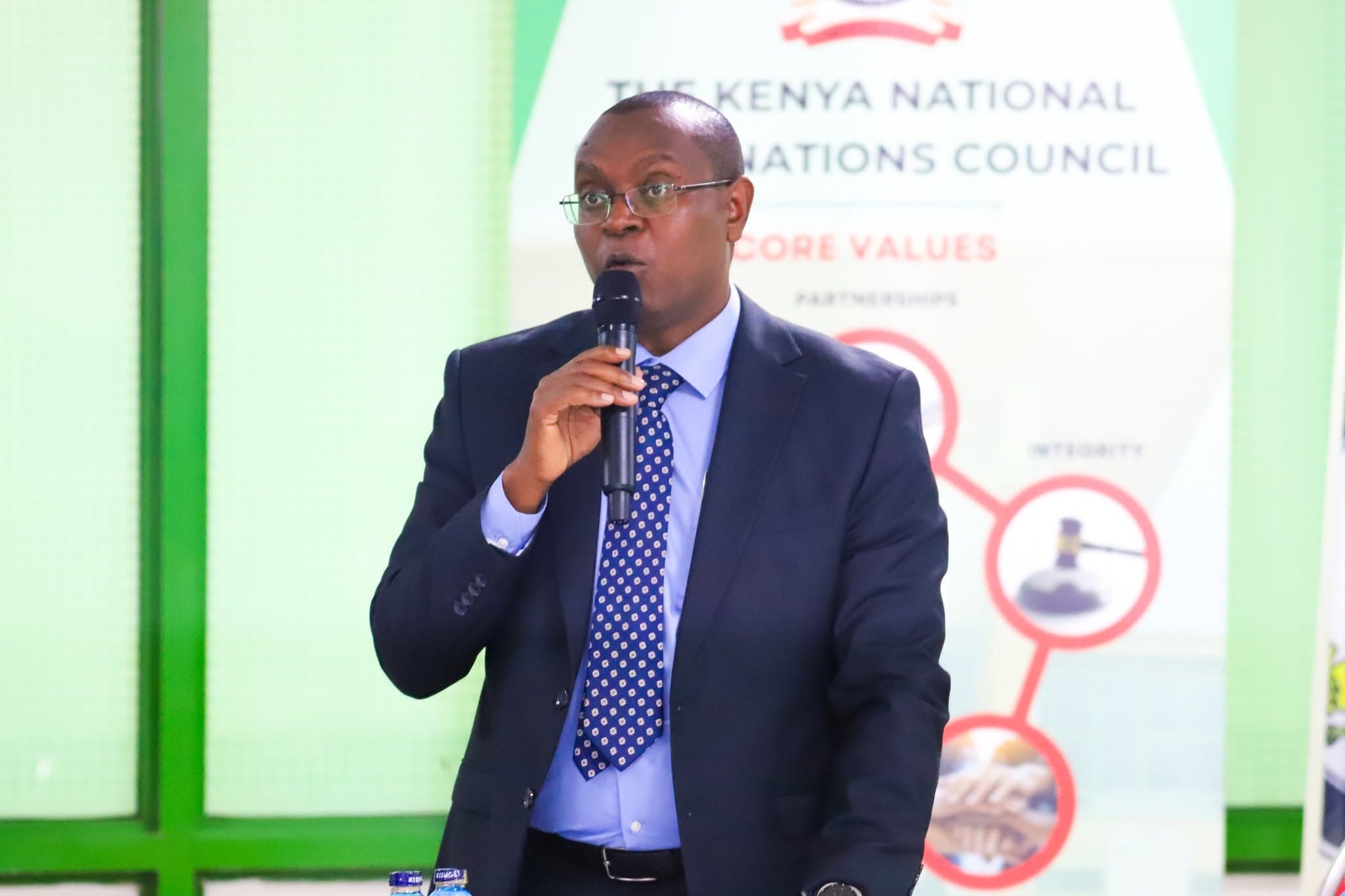
KNEC HQS
The result is a system that functions but is increasingly under pressure, where professional commitment is being tested not by policy design but by payment timing.
This reflects a broader pattern in public service delivery across sectors such as education, infrastructure, and health. Even well-designed government programmes are highly sensitive to cash-flow timing. When Treasury disbursements are delayed, implementation slows, morale is affected, and trust in the system is gradually eroded.
READ ALSO: Pay teachers now? Why the pressure on KNEC is misplaced
Despite these challenges, the policy direction remains firm. The removal of examination fees has significantly strengthened equity and access in Kenya’s education system. It has ensured that no child is denied the opportunity to sit national examinations due to financial hardship, improving participation and completion rates.
What should be done to hasten payments?
Addressing these delays requires reforms that focus squarely on the flow of funds from the exchequer, not on the implementing agency.
First, examination funds should be ring-fenced at the Treasury level, ensuring that allocations for exam-related payments are protected from competing budget demands.
Second, the government should adopt a pre-financing or advance-funding mechanism, allowing KNEC to settle verified claims immediately and reconcile later, once Treasury releases are effected.
Third, a streamlined and digitised payment system should be strengthened so that once verification is completed, disbursement to examiners, invigilators, and supervisors is automatic and direct, reducing administrative lag.
Fourth, the National Treasury should establish priority, time-bound exchequer release windows for examination cycles, treating them as critical national operations that require uninterrupted cash flow.
Fifth, establishing a contingency buffer fund for examinations would ensure continuity of payments even during short-term fiscal delays.
These reforms shift responsibility to where the bottleneck truly lies: the timing and predictability of exchequer releases.
Ultimately, the vision remains unchanged: no fees, no barriers. But sustaining that vision requires more than policy declarations. It demands synchronised financial discipline, institutional coordination, and timely exchequer responsiveness from the National Treasury to the last examiner in the field.
Without that alignment, the system will not collapse—but it will continue to operate under mounting strain, in which confidence is tested not in policy but in payment.
By Hillary Muhalya
You can also follow our social media pages on Twitter: Education News KE and Facebook: Education News Newspaper for timely updates.
>>> Click here to stay up-to-date with trending regional stories
>>> Click here to read more informed opinions on the country’s education landscape


Reader Discussion (0)
Sign in to comment