


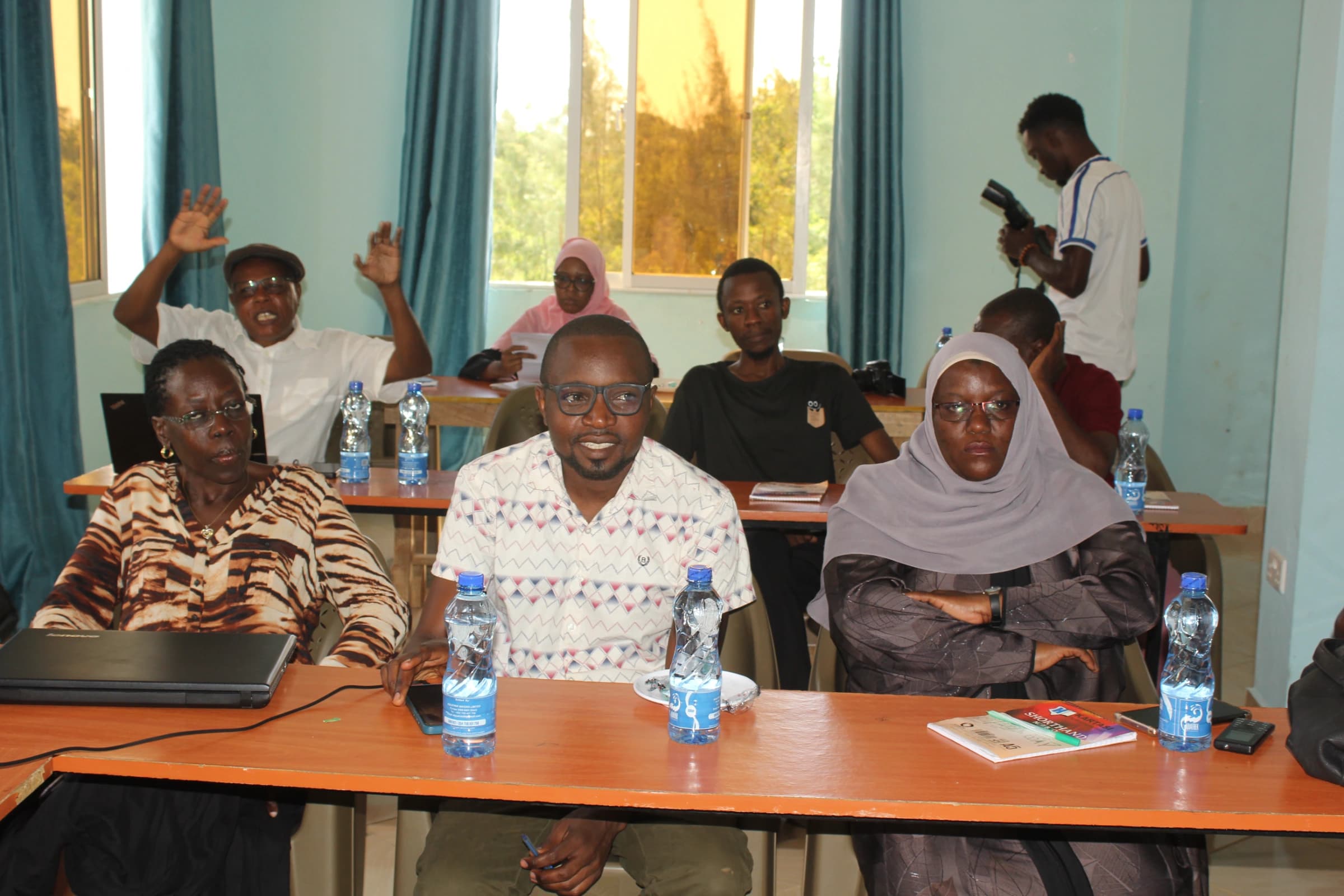
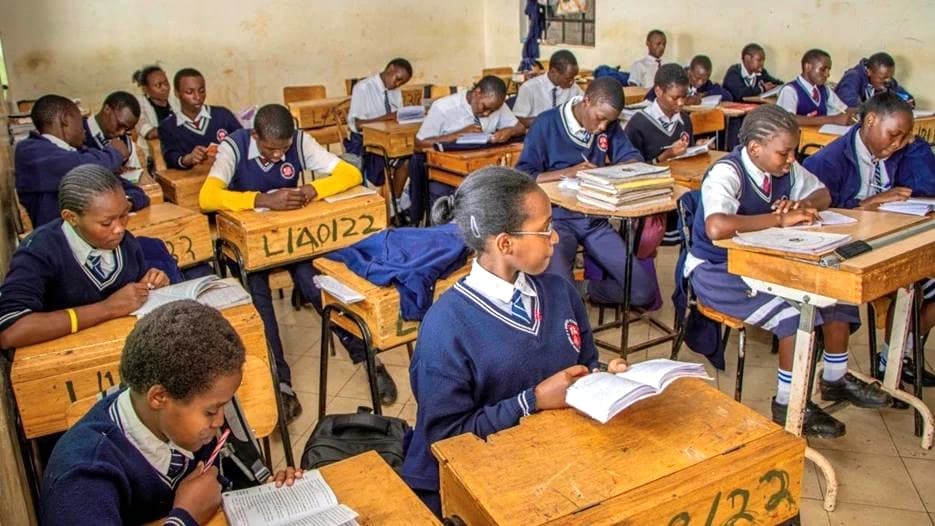

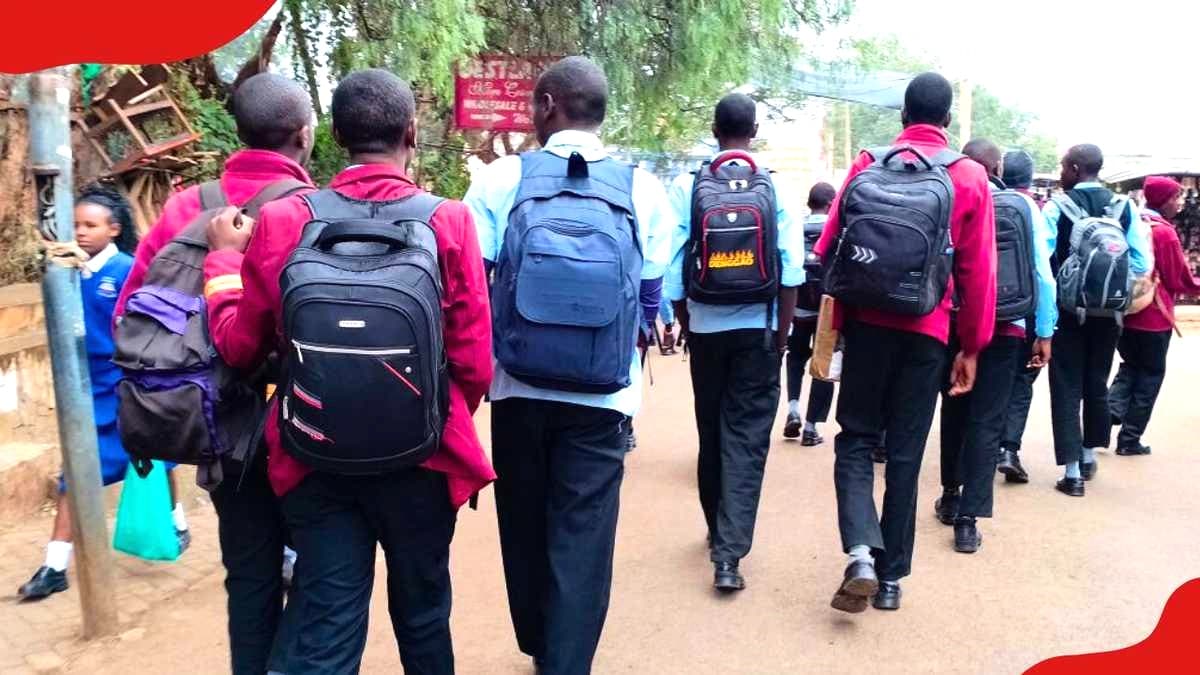

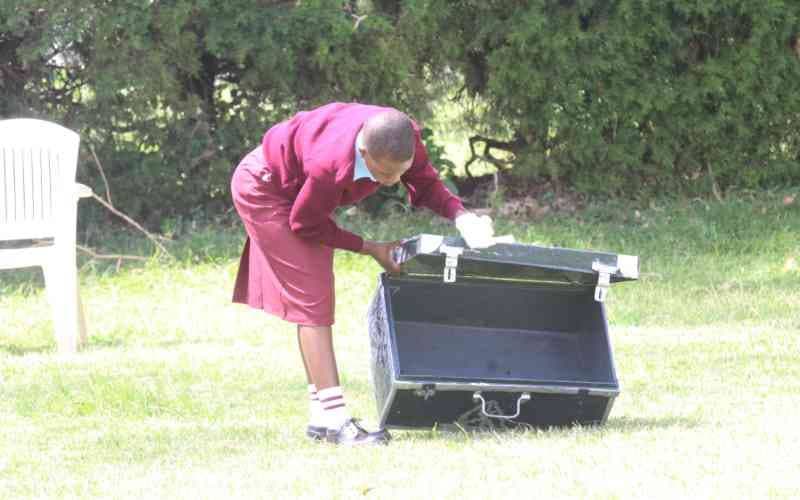
The images of desperate parents narrating their financial ordeals on national television last night captured the heart-wrenching reality facing thousands of Kenyan families as the 2026 academic year unfolds. One after another, mothers and fathers spoke of sleepless nights, scraping together every last shilling, only to fall short of the basic requirements for enrolling their children in Grade 10 senior schools. For many, the uniform alone emerges as an insurmountable hurdle – a stark symbol of how poverty can abruptly halt a child’s educational journey despite academic promise shown in the Kenya Junior Secondary Education Assessment (KJSEA).
This pioneer cohort of over 1.13 million learners transitioned under the Competency-Based Education (CBE), with placements into specialized pathways designed to nurture talents and prepare them for careers. The government promised 100% transition, backed by ample school capacity and standardized fees.
Yet, as schools reopened on January 12, 2026, reports reveal a crisis: hundreds of thousands remain at home, with enrollment figures hovering far below expectations even days later. By mid-January, only around 300,000 learners had reported in various updates, leaving a massive gap that defies historical norms. Even in eras without free basic education, families fought to secure secondary spots; today’s low turnout signals a profound failure in accessibility.
The stories are painfully consistent. Parents describe the cumulative burden: boarding fees standardized at approximately Ksh 53,554 annually for public senior schools, plus additional levies, books, transport for distant placements, and crucially, uniforms that can cost thousands of shillings per set.
In a tough economy marked by high living costs, inflation and post-holiday financial strain, raising money for even one uniform set feels like climbing a mountain. One parent lamented the endless demands – “one payment after another” – leaving poor households exhausted and defeated. Rural families, single parents, and those in hardship areas face the harshest blows, where distant school assignments inflate transport expenses and disrupt daily survival.
It is a crime for any child to drop out of school due to such barriers. The Constitution guarantees the right to free and compulsory basic education, yet here we see the system faltering at the critical senior secondary threshold. Poverty is unforgiving; it does not pause for policy timelines or placement reviews.
When a learner misses the first weeks of instruction in their chosen pathway – whether STEM, Social Sciences, or Arts & Sports – they risk falling irreparably behind, facing stigma, disengagement, or outright abandonment of studies. This not only shatters individual dreams but perpetuates cycles of inequality, denying Kenya a skilled, competent future workforce.
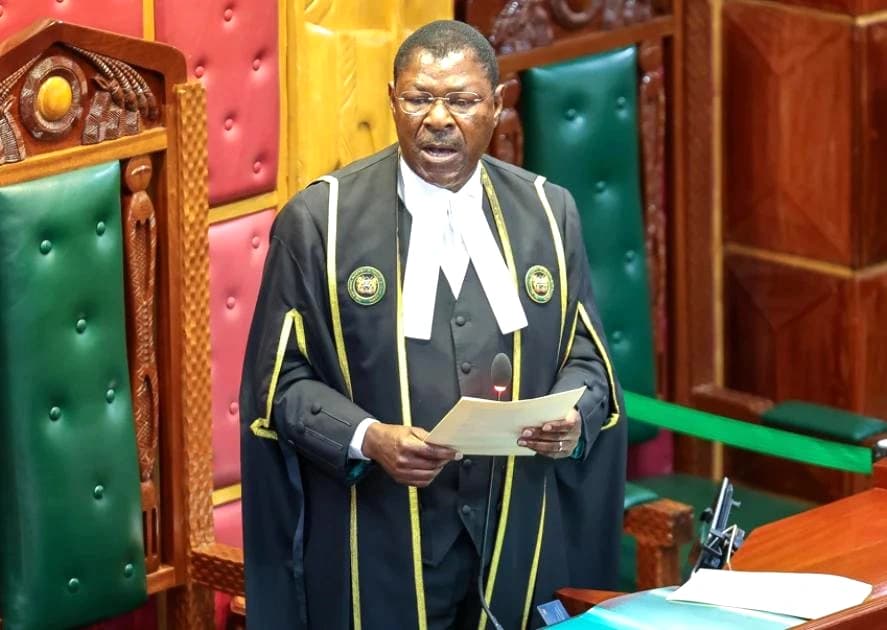
Our leaders bear heavy responsibility for this unfolding tragedy. While the Ministry of Education has taken steps – releasing capitation funds, extending placement review windows into early January and even pushing the admission deadline to January 21 – they appear detached from the ground reality. Officials describe the low turnout as “expected” for a first-time transition, urging flexibility and involving chiefs to trace missing learners.
Yet these measures ring hollow when core economic barriers remain unaddressed. Delays in bursaries and scholarships leave needy families without promised support, while complaints about mismatched placements and hidden costs persist. Leaders sit comfortably in their positions, seemingly uncaring as parents beg for time, sell assets, or borrow to meet demands that should never exclude deserving children.
This is not merely an enrollment dip; it is a moral and systemic failure. The CBC was envisioned as inclusive, talent-driven reform, yet it risks becoming exclusionary for the vulnerable. Every un-enrolled child becomes another statistic in dropout rates, fueling unemployment and social instability down the line. Stakeholders must demand accountability: accelerated bursary disbursements, targeted subsidies for uniforms and transport, community funds for needy cases and stricter enforcement against schools imposing unauthorized levies.
Poverty should never dictate a child’s future in a nation that prides itself on progress. Our leaders must move beyond assurances and act with urgency and empathy. Extend meaningful support, not just deadlines. Ensure no learner is turned away for lack of a uniform or fees that the system pledged to mitigate. The eyes of these struggling parents, captured on our screens, demand nothing less. Failure to intervene decisively will not only sabotage this pioneer cohort but erode trust in the entire education reform. Kenya’s children deserve better – leaders must prove they care by making education truly accessible, not just promised.
By Ashford Kimani
Ashford teaches English and Literature in Gatundu North Sub-county and serves as Dean of Studies.
You can also follow our social media pages on Twitter: Education News KE and Facebook: Education News Newspaper for timely updates.
>>> Click here to stay up-to-date with trending regional stories
>>> Click here to read more informed opinions on the country’s education landscape


Reader Discussion (0)
Sign in to comment