



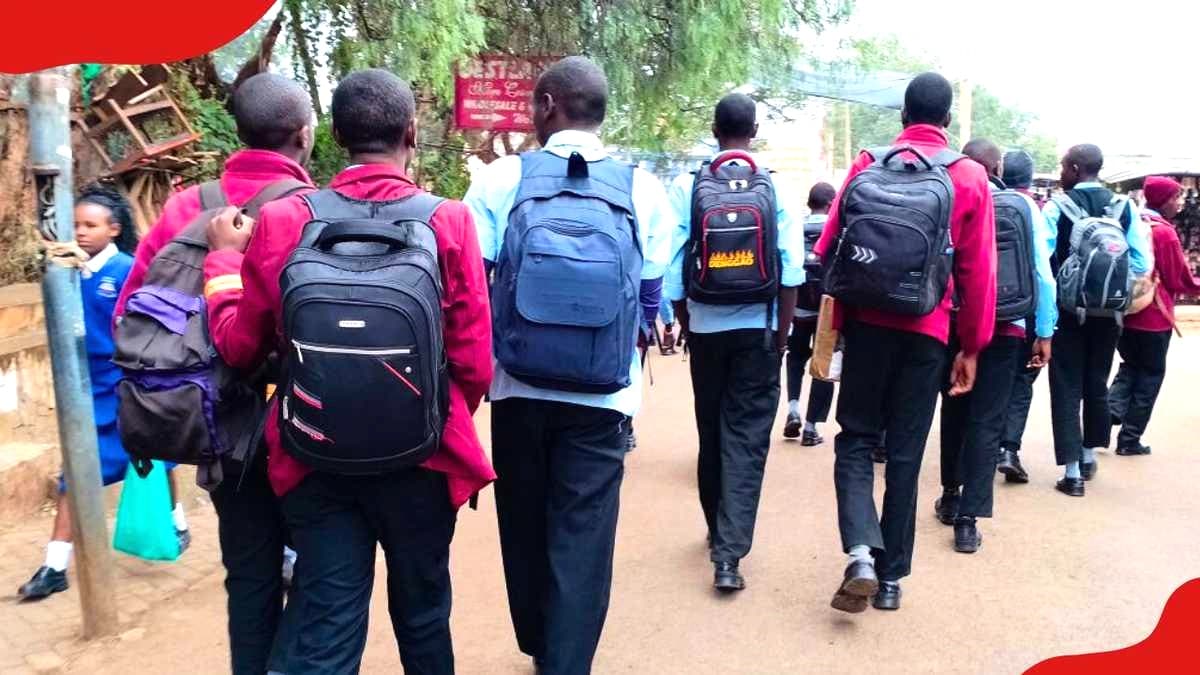

Kenyan schools are facing renewed disruptions to textbook supplies as the government’s mounting debt to publishers continues to strain the education system. The backlog, which has surged to KSh7.7 billion from KSh4.4 billion in January, has left many institutions struggling without adequate learning materials.
The crisis comes at a critical moment for Grade 10 learners under the competency-based education (CBE) system, who rely heavily on new textbooks to meet curriculum requirements. Basic Education Principal Secretary Julius Bitok told the National Assembly Committee on Education that the recent procurement of additional books pushed the bill higher, despite earlier partial payments.
“The pending bill was KSh10 billion, and we paid KSh5.6 billion. Because of the procurement of new books, the bill has gone up to KSh7.7 billion,” Bitok explained. By December last year, the government owed publishers KSh10 billion, a debt that previously triggered a standoff when publishers refused to print Grade 10 books just days before the school term began.
ALSO READ:
https://educationnews.co.ke/loan-recovery-drive-intensifies-as-helb-fines-employers-failing-to-forward-deductions/
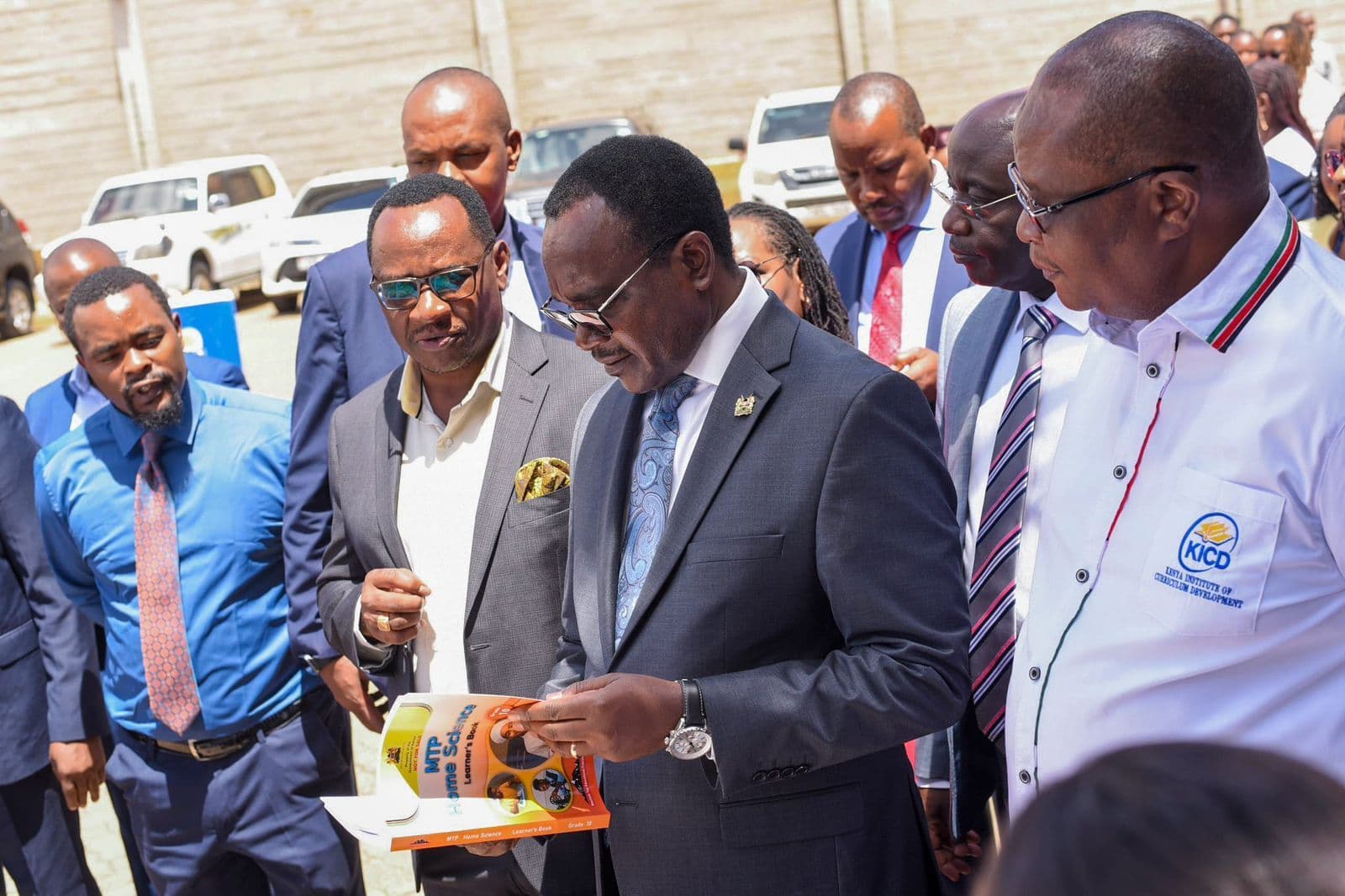
In January, the Ministry of Education announced the procurement of more than 11 million Grade 10 textbooks to ensure every learner had access to the required materials. Education Cabinet Secretary Julius Ogamba, during a visit to English Press Ltd in Nairobi, said the books would reach all senior schools by the end of January, with priority given to institutions yet to receive their copies.
“As part of ongoing efforts to enhance access to quality education, the Government continues to provide core textbooks to learners at a ratio of one book per learner. For Grade 10 learners, the Ministry has procured a total of 11,867,325 textbooks for distribution nationwide,” Ogamba said.
He acknowledged that financial constraints had slowed printing and distribution, noting that the government owed publishers about Sh11 billion by the end of 2025. Ogamba added that negotiations with the National Treasury secured Sh5.6 billion, which was released to publishers to resume production and distribution.
Following the intervention, 23 contracted firms restarted production of 35 approved textbooks and literary works, a move seen as vital for Grade 10 learners who require specialised materials under the CBE curriculum.
The situation, however, exposes deeper weaknesses in the textbook supply model introduced in 2019, when the government took over direct procurement from schools after failing to achieve the 1:1 learner-to-book ratio. Under this model, the Ministry of Education retains part of the tuition fees and purchases books using enrolment data from the National Education Management Information System (NEMIS).
ALSO READ:
https://educationnews.co.ke/yes-i-am-with-us-a-sobering-lesson-from-hon-mwengi-mutuse/
But NEMIS data has been faulted for irregularities. An audit by the National Assembly Public Accounts Committee revealed ghost schools, inflated enrolment figures, and cases of multiple schools sharing bank accounts. These flaws distorted procurement plans and contributed to distribution inefficiencies.
The audit also found mismatches in book allocation, with some schools receiving textbooks for subjects they do not teach, while others received none. Across 1,100 sampled schools, Sh90.83 million worth of books were discovered lying unused in storage.
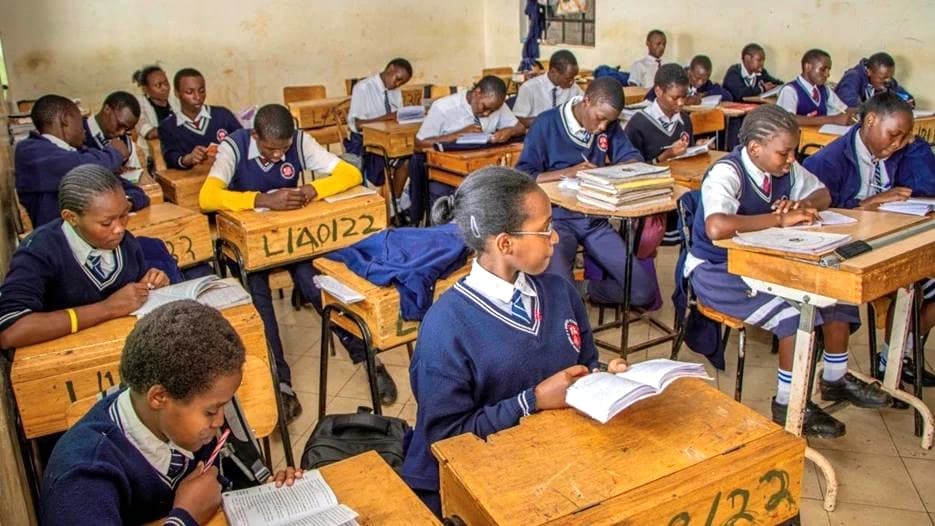
Meanwhile, many learners continue to share textbooks despite government assurances of a one-to-one ratio.
By Masaki Enock
You can also follow our social media pages on Twitter: Education News KE and Facebook: Education News Newspaper for timely updates.
>>> Click here to stay up-to-date with trending regional stories
>>> Click here to read more informed opinions on the country’s education landscape



Reader Discussion (0)
Sign in to comment