




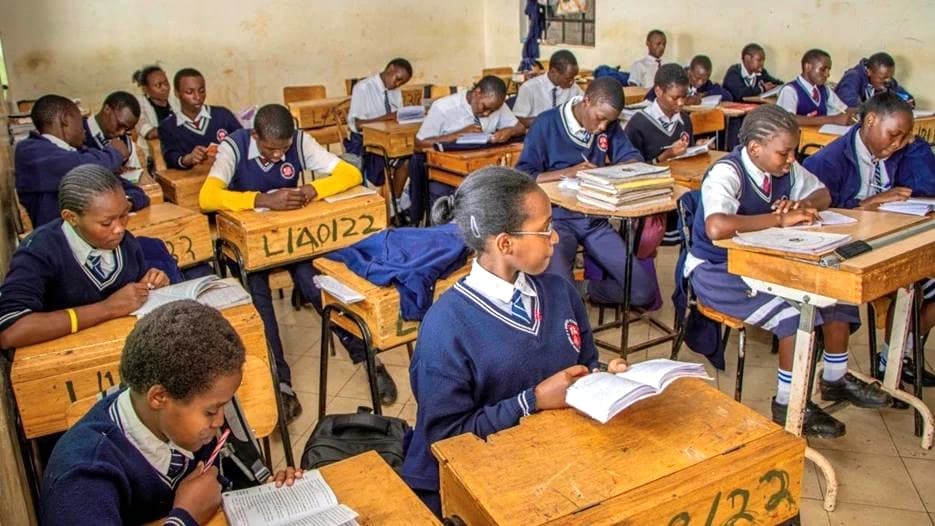




School uniforms are beneficial, especially in Kenyan learning environments where we have a rich mix of cultures, economic backgrounds, and levels of exposure . As the word uniform suggests, uniforms are meant to equalise learners by minimising visible differences and fostering a sense of belonging
We see this principle clearly in everyday Kenyan institutions such as hospitals, where uniforms make it easy to identify personnel and seek assistance. In the same way, school uniforms help create order, identity, and clarity within our schools —whether in urban centres or rural communities. When applied well, uniformity supports learning, discipline, and social cohesion.
However, the real challenge lies not in the idea of school uniform, but in its implementation. Problems arise when uniforms are made unnecessarily expensive, overly detailed, and, ultimately, discriminatory. In some Kenyan schools, exclusive arrangements with specific suppliers have turned uniforms into a financial burden for parents. While designated suppliers may offer convenience, parents should not be denied the freedom to purchase standard uniform items from other affordable local outlets.
ALSO READ:
https://educationnews.co.ke/why-form-four-candidates-need-energy-synergy-and-strategy-to-excel-in-kcse/
For instance, items such as black trousers, white shirts, or light blue T-shirts are readily available in many markets and shops across the country. There is little justification for insisting that every uniform item be bought from a single shop. It is reasonable for schools to require branded items such as blazers or sweaters, but extending this requirement to all uniform components is unfair.
Additionally, where uniforms are organised through school-based arrangements in the true sense, they should be cheaper due to economies of scale. When this does not happen, it raises legitimate concerns about fairness, transparency, and intent.
Ultimately, whether a school adopts uniforms or not should be considered on a case-by-case basis, guided by the realities of parents and communities. What must remain non-negotiable is that uniform policies should not discriminate against any learner. In Kenya, school uniforms should promote inclusion, dignity, and access to education—not become a barrier to learning.
By Mercy Igoki
Dr Igoki, is a Career Coach
You can also follow our social media pages on Twitter: Education News KE and Facebook: Education News Newspaper for timely updates.
>>> Click here to stay up-to-date with trending regional stories
>>> Click here to read more informed opinions on the country’s education landscape




Reader Discussion (0)
Sign in to comment