







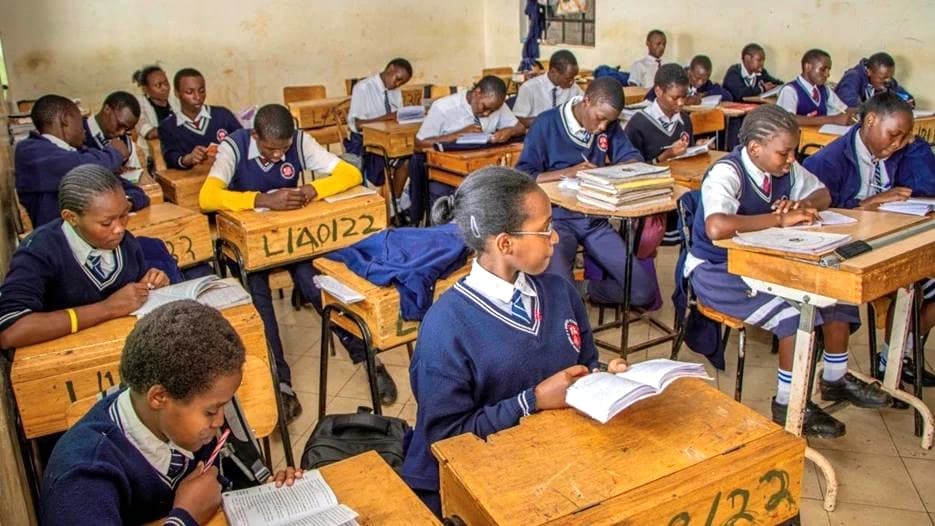

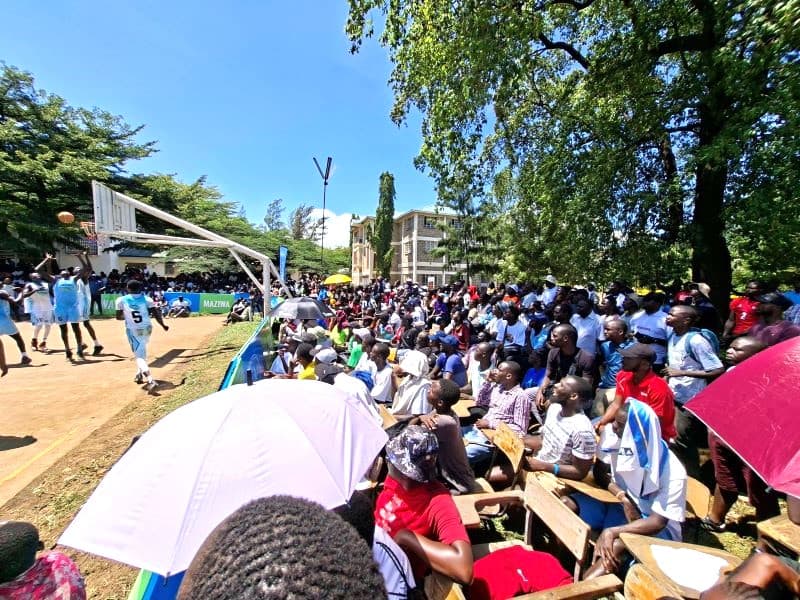
There was a time when the Kenya Secondary Schools Sports Association (KSSSA) games were a sacred arena of youthful brilliance; a battlefield of raw talent, teenage energy, school pride and honest competition. It was where a Form Two winger from Bungoma could stun the nation, where a lanky volleyball player from Turkana could rise into destiny and where dreams wore school uniforms and ran on dusty pitches. It was school sport in its purest form: vibrant, authentic and deeply inspiring. But somewhere along the way, the games lost part of their soul.
What was meant to be a platform for student development has increasingly become a theatre of deception. Behind the chants, trophies and dramatic commentary, a dangerous virus has quietly infected school sports: age cheating. Now, with Basic Education Principal Secretary Prof. Julius Bitok announcing a firm crackdown on this shameful vice ahead of the KSSSA national championships in Kisumu, one thing is clear: Kenyan school sports can no longer continue lying to themselves. And the truth is uncomfortable.
Age cheating is not a harmless ‘technicality.’ It is not a small trick. It is not cleverness. It is fraud in spikes. The moment an overage player is smuggled into a school team, the game instantly stops being fair. What should be a contest between teenagers becomes a wrestling match between children and fully grown ‘students’ who look old enough to attend a parents’ meeting. Let us be honest. Kenyans have seen it. We have seen ‘Form Three boys’ with full beards, intimidating shoulders and the body language of men who look like they have paid rent before. We have seen ‘under-19’ players who sprint like seasoned league professionals and tackle like they have unresolved tax issues. Sometimes, the only thing secondary about them is the excuse their handlers give. And while the crowd may laugh, the damage is not funny.
The first casualty of age cheating is credibility. Once the public begins to doubt whether school games are genuine, every victory becomes suspicious. Every trophy becomes questionable. Every star performer becomes a subject of whispers rather than applause. Instead of saying, ‘What a talented student,’ people now ask, ‘Huyo ni student kweli?’ That is tragic. KSSSA is supposed to be a breeding ground for future national talent. Scouts, coaches and institutions look to these games to identify authentic young athletes for scholarships, academies and national teams. But when age fraud dominates, the system begins rewarding the wrong people.
The real 16-year-old striker with natural brilliance is benched for a 23-year-old imposter with a forged birth certificate and suspicious confidence. The genuine young athlete loses visibility, motivation and sometimes a life-changing opportunity. That is not competition. That is organised theft of destiny.
Worse still, age cheating destroys the educational purpose of school sports. School games are not just about winning cups and carrying goats home. They are meant to teach learners discipline, teamwork, resilience, sportsmanship, and integrity. But what lesson are we teaching when adults in authority knowingly register ineligible players and then clap loudly from the touchline? We are teaching students that lying works if it wins. We are telling children that ethics are optional, that rules are for fools and that cheating is acceptable as long as the bus returns with a trophy. That is not sports education. That is moral bankruptcy in tracksuits.
The vice also exposes students to physical and psychological harm. A genuine 15-year-old girl should not be forced to compete against someone far older, stronger, and more physically developed simply because a school wants to dominate. This creates unfair physical mismatches, increased injury risks and emotional intimidation. Many talented young players quietly withdraw from sports not because they lack ability, but because the field no longer feels honest. How many dreams have died in silence because a child realised, ‘I am not losing to talent. Am I losing to a lie?
And we must stop pretending that this vice is driven solely by students. Children do not forge systems. Adults do. If age cheating is happening repeatedly, then there are teachers, coaches, principals, games masters, registrars and officials somewhere in the chain who are either facilitating it, ignoring it or benefiting from it. That is why Prof. Julius Bitok is right to warn that teachers involved must face punishment. And not symbolic punishment.
Not the usual Kenyan disciplinary drama where a committee is formed, tea is taken, minutes are written, and then everyone forgets. No.
Those found guilty should face real consequences. Teams found fielding ineligible players should be immediately disqualified. Teachers and coaches responsible should be suspended and blacklisted from school sports management. Where documents are forged, legal and administrative action should follow swiftly. Because if adults corrupt children’s platforms, they should not be entrusted with shaping children’s futures.
However, a crackdown must be more than a press statement. It must become a system. Every student participating in school games should undergo strict document verification before every major stage of competition, from zonal to county, regional and national levels. Birth certificates, admission records and official school data should align clearly and consistently. The Ministry of Education and KSSSA should also establish a central digital player registration system in which every student-athlete has a traceable profile linked to school records. This would make mysterious last-minute ‘transfers,’ identity manipulation and age falsification much harder to hide.
Schools found guilty should not be treated with gentle warnings and soft reminders. They should face collective sanctions that are sufficiently painful to deter repeat offences. If institutions continue benefiting from cheating, they will continue cheating. Pain is often the best teacher where ethics have failed.
At the same time, we must restore a culture where honest participation is celebrated as much as victory. A school that loses fairly with genuine students deserves more honour than a school that wins through fraud. Because in the end, a stolen trophy is not a trophy. It is a polished embarrassment.
READ ALSO: Bitok: MoE to crack down on age cheating at KSSSA games, teachers involved to face punishment
KSSSA should be a festival of youth, truth, and talent; not a parade of forged ages and inflated egos. Kenya has enough genuine talent. We do not need counterfeit champions. If this crackdown is serious, then Kisumu should mark the beginning of a new era; one where school games are once again decided by skill, sweat, strategy and spirit, not by fake ages and adult desperation.
Because the future of sport is not built by cheating children into medals. It is built by giving real children a real chance. And that is a game worth defending.
By Angel Raphael
Angel Raphael is a teacher and games master passionate about education, discipline and nurturing authentic student talent.
You can also follow our social media pages on Twitter: Education News KE and Facebook: Education News Newspaper for timely updates.
>>> Click here to stay up-to-date with trending regional stories
>>> Click here to read more informed opinions on the country’s education landscape
>>> Click here to stay ahead with the latest national news.



Reader Discussion (0)
Sign in to comment