





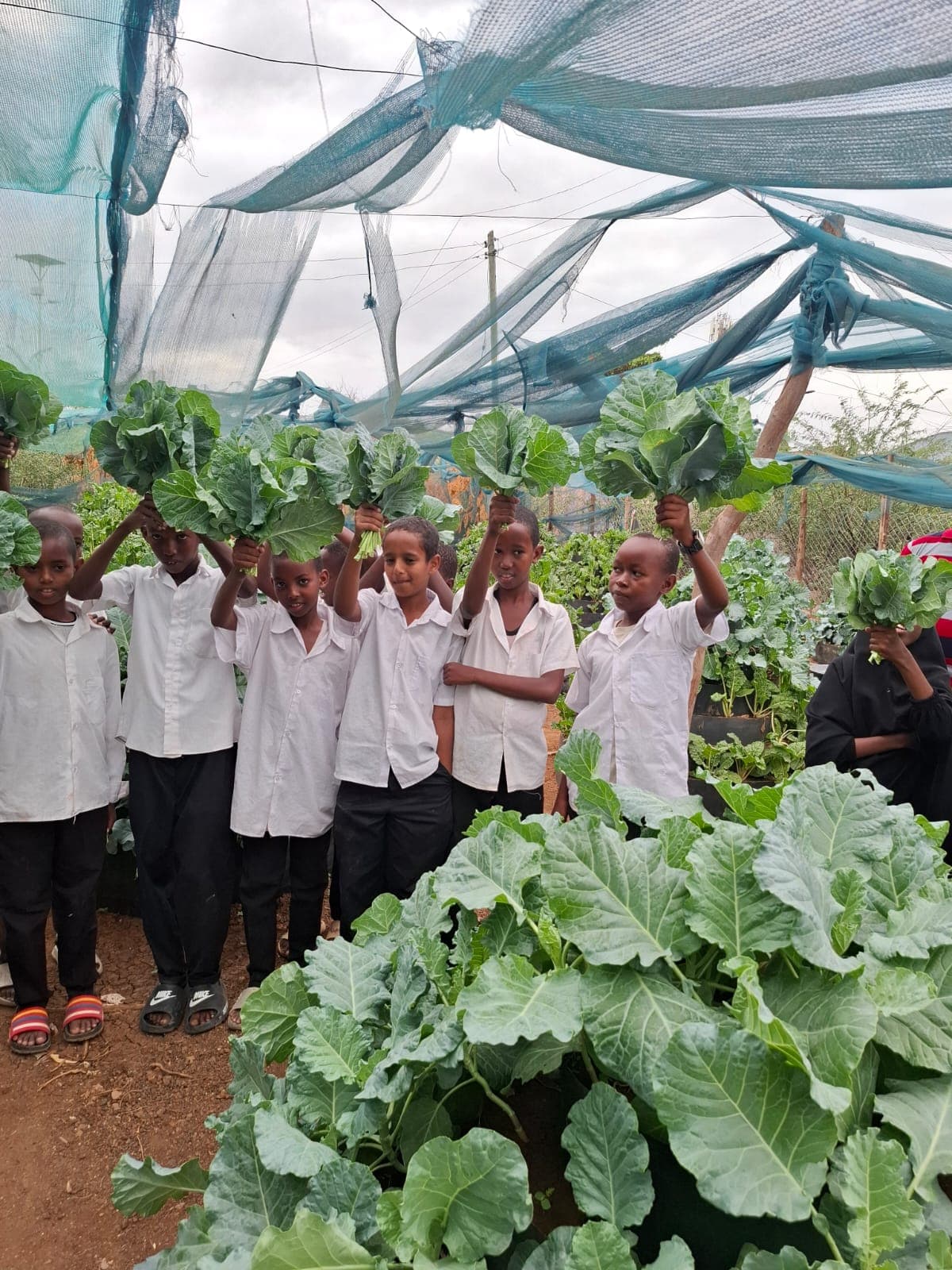
In the heart of Garissa County, where vast herds of livestock often perish under relentless drought and flash floods, an unlikely success story is taking root.
Yathrib Comprehensive School is challenging the long-held belief that farming is impossible in arid lands. In a region where survival has traditionally depended on livestock, the school has embraced climate adaptation, turning scarcity into opportunity.
“Not drought victims, but adapting to drought and climate change, that is our mindset,” says head teacher Mohamed Dure Osman.
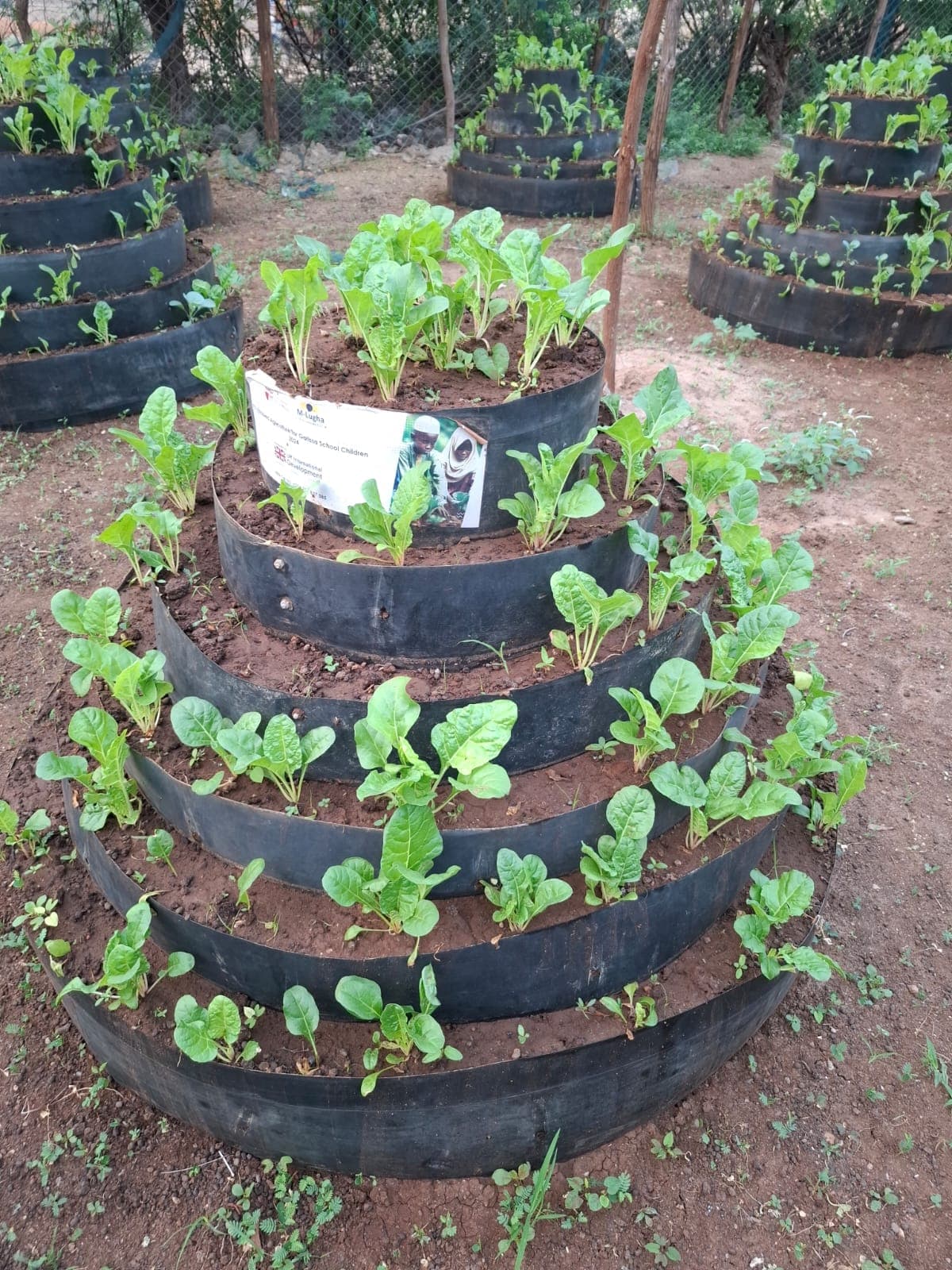
Despite harsh conditions, the school has established a thriving half-acre farm where students grow vegetables, particularly sukuma wiki (kale). The produce not only supplements the school feeding programme but also generates income through sales to nearby communities hit hard by food shortages.
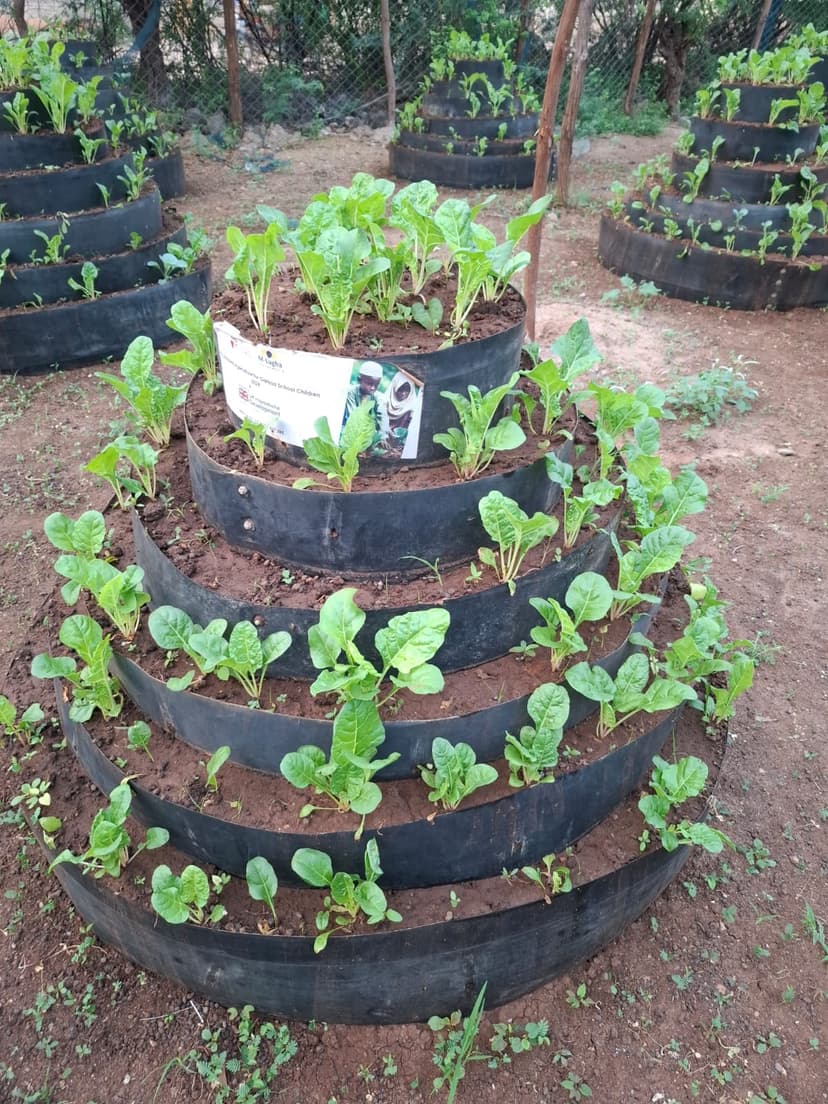
Yathrib Comprehensive School garden.
Dure recalls the difficult years between 2020 and 2025, marked by recurring droughts, rising food prices, and declining milk production due to livestock losses. “With searing drought, availability of milk dropped, and diseases like malaria and diarrhoea increased,” he says.
According to UNICEF, the situation in Garissa remains dire. Between 20 to 25 per cent of children under five are wasted, while 30 per cent are stunted. An estimated 60,000 children suffer from malnutrition, with 17,000 in urgent need of therapeutic feeding.
“In pastoralist communities that rely heavily on milk and meat, livestock loss means both food insecurity and economic hardship,” Dure explains.
Faced with these realities, the school took an unconventional approach. With support from donors, they installed water tanks to harvest rain and floodwater, an essential step in overcoming the biggest barrier to farming in the region.
“Water scarcity and extreme heat are the biggest challenges in arid lands. We had to start by ensuring water availability,” says Dure.
The initiative was initially met with scepticism. Many doubted that farming could succeed in Garissa’s dry conditions. But today, the school farm stands as proof of what is possible.
“People dismissed our idea, saying Garissa is too dry for farming. Now, we are feeding our students and even selling surplus vegetables to the community,” he says.
ALSO READ;
https://educationnews.co.ke/993-busia-youths-women-and-pwds-graduate-in-digital-skills-programme/
Nutrition experts have also lauded the initiative. Ahmed Bile, a nutritionist at Garissa Regional Referral Hospital, notes that sukuma wiki is particularly suited to arid environments.
“It is drought-tolerant and can grow with minimal water, even recycled water. It is also rich in nutrients like iron and vitamins A and C, helping to fight hidden hunger, anaemia, and night blindness,” Bile explains.
The impact on students has been significant.
Mariam Abdirahman, a teacher at the school, says cases of fatigue in class have reduced, while attendance has improved notably since the introduction of school-grown vegetables in 2022.
“Girls’ attendance, especially during their menstrual periods, has increased by 40 per cent. Overall absenteeism and dropout rates have also gone down,” she says.
Beyond nutrition, the school farm has become a practical learning space, integrating agriculture, home science, and health education.
“It is like killing more than two birds with one stone,” Abdirahman adds. “Students are learning skills they can apply at home.”
For students like Camilla Aden, the benefits extend beyond the classroom. The ninth-grade learner has already started a family garden in Bula Mzuri village.
“We have learned how to farm even in dry conditions,” she says. “At home, we have fenced our garden using thorny bushes to protect it from livestock.”
Back at the school, Dure believes the model can be replicated across other arid regions.
“If we can do it, why not others?” he poses. “Once people stop focusing on the challenges and start taking action, they can succeed.”
In a county where hunger remains a persistent threat, Yathrib Comprehensive School is offering more than just food, it is cultivating resilience, knowledge, and hope in the face of climate adversity.
By Amoto Ndiewo
You can also follow our social media pages on Twitter: Education News KE and Facebook: Education News Newspaper for timely updates.
>>> Click here to stay up-to-date with trending regional stories
>>> Click here to read more informed opinions on the country’s education landscape

Reader Discussion (0)
Sign in to comment