


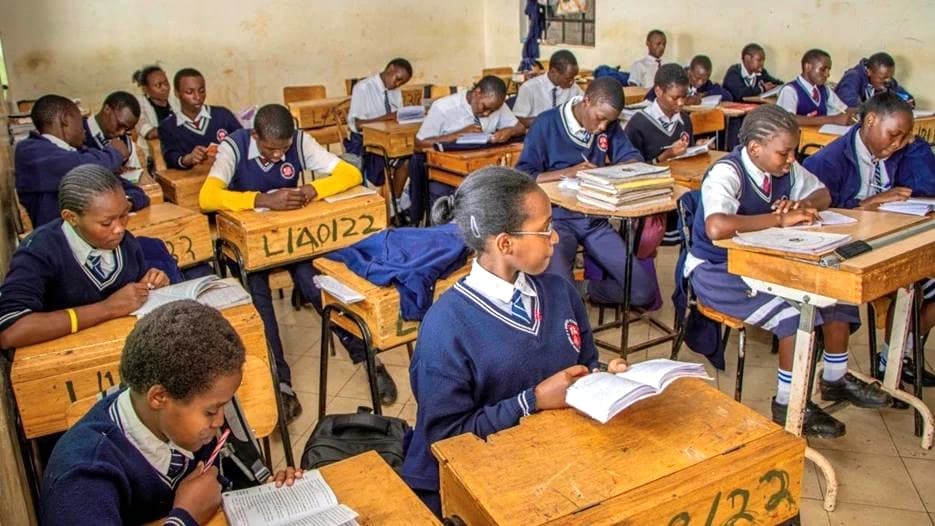

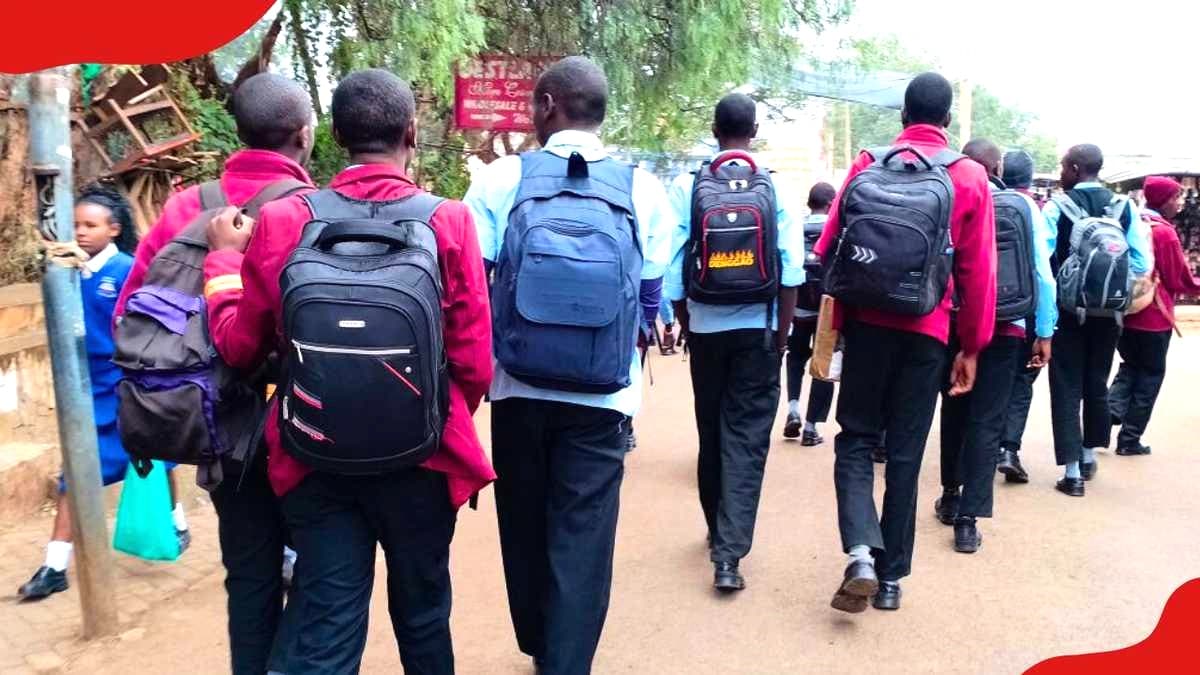
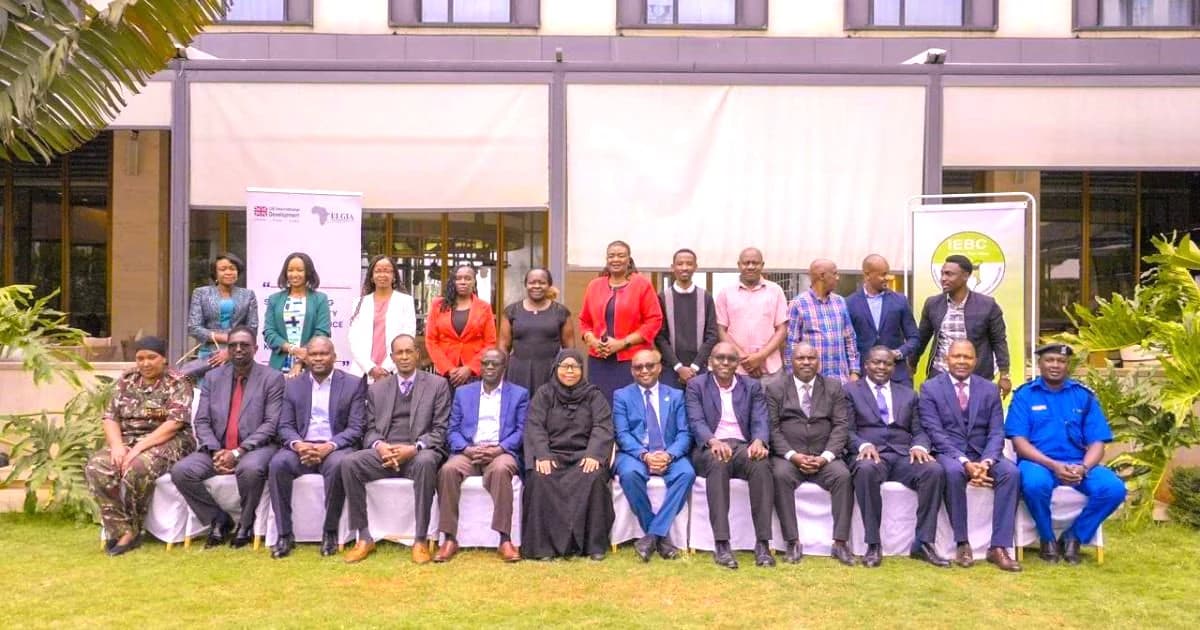
A parliamentary committee has expressed concern over a major funding shortfall affecting the school feeding programme for vulnerable learners in arid and semi-arid regions, placing many children at risk of dropping out of school.
The National Assembly’s Public Investments Committee on Governance and Education was informed that the National Council for Nomadic Education in Kenya (NACONEK) needs Sh8.3 billion annually to run the programme effectively, yet only Sh1.7 billion has been allocated in the current financial year.
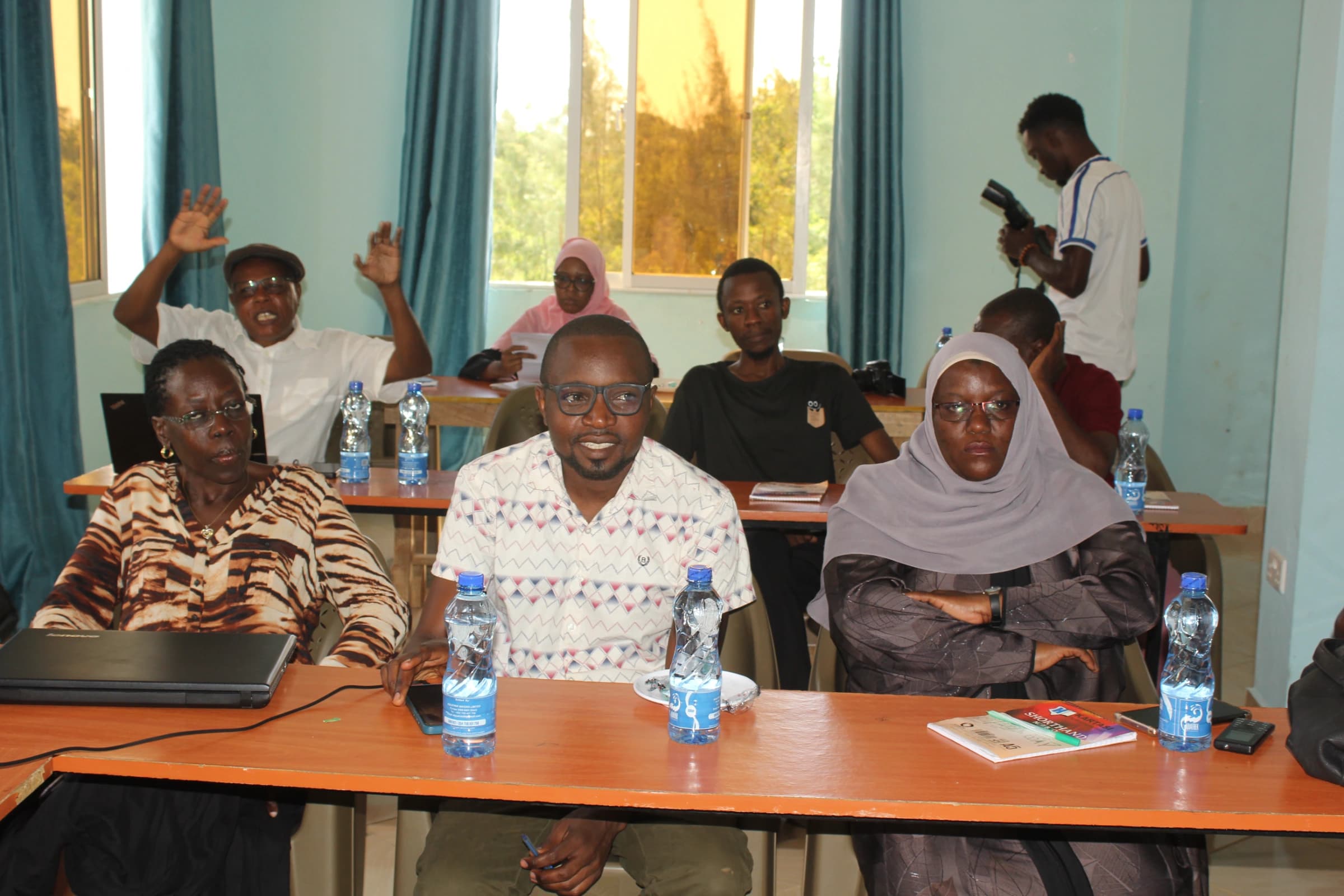
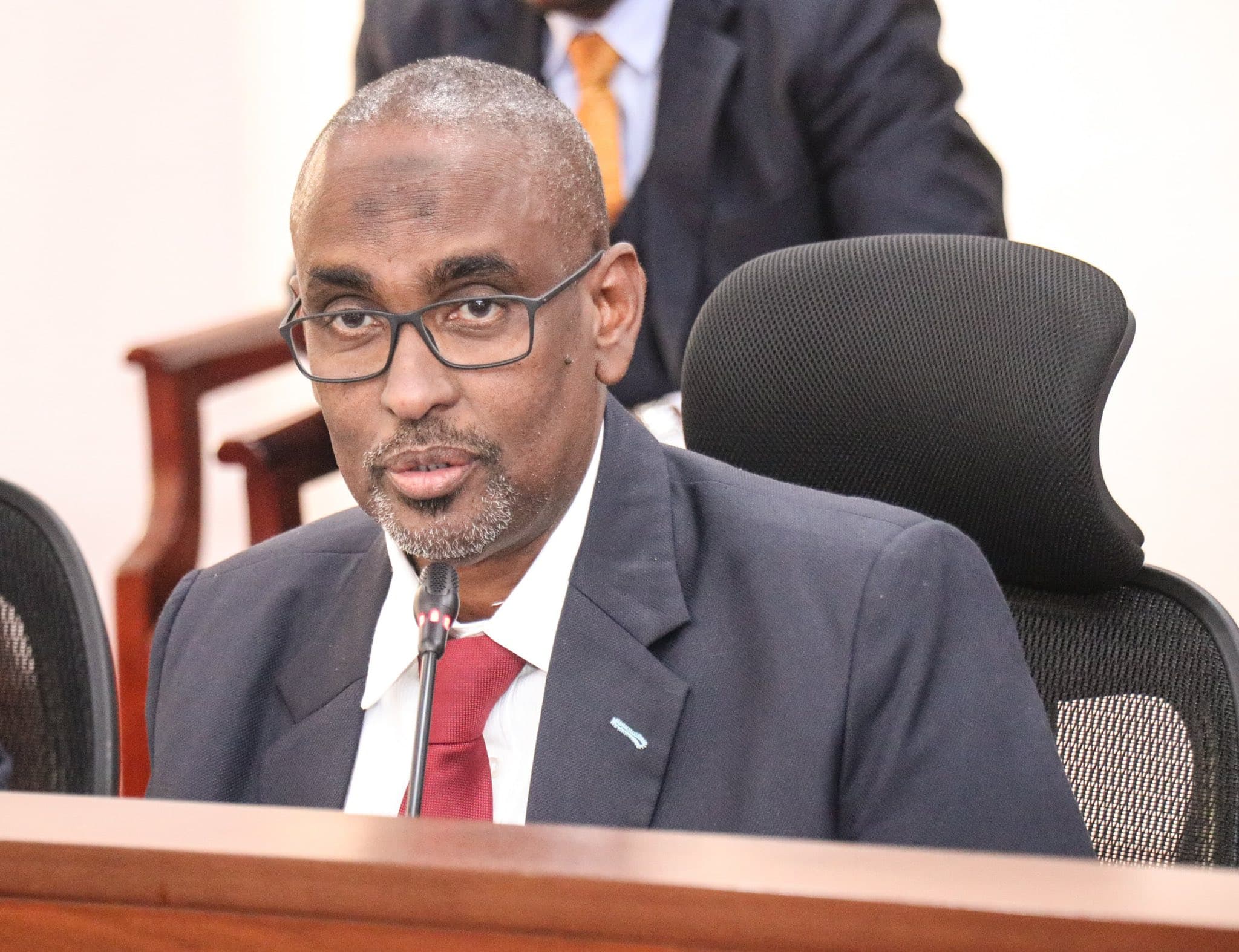
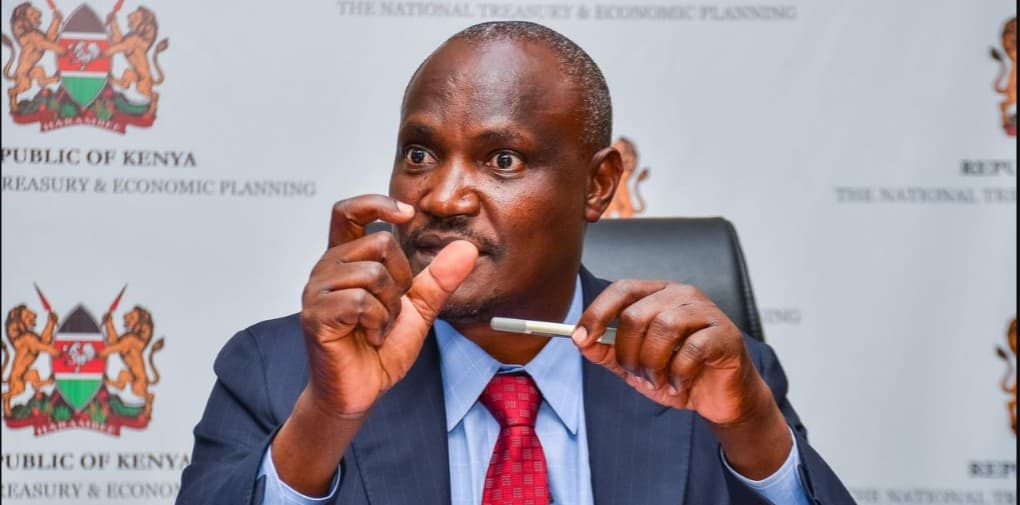
While appearing before the committee to address issues raised in the Auditor-General’s reports for the financial years 2021/2022, 2022/2023, and 2023/2024, NACONEK Chief Executive Officer Harun Yussuf acknowledged that the financial gap has disrupted service delivery.
“We have a serious gap in the school feeding programme. The cost of feeding a child is Sh22 per day for about 51 days, requiring approximately Sh8.3 billion, but we have only been allocated Sh1.7 billion,” said Yussuf.
He further informed legislators that NACONEK is engaging the National Treasury to improve capitation processes, noting that the programme will temporarily provide porridge as an interim solution.
In addition to funding challenges, the council is also struggling with infrastructure needs, particularly the construction of modern kitchens in schools.
Mr. Yussuf explained that although parents in many regions support school feeding initiatives, communities served by NACONEK often lack the resources to establish proper kitchen facilities.
“It is the responsibility of the government to establish kitchens at the school level, but we do not have the budget for that. We have only piloted clean energy cooking in six schools and are expanding to 14 more, but funding remains inadequate,” he said.
Members of Parliament recognised the difficulties facing NACONEK and called for increased financial and policy support.
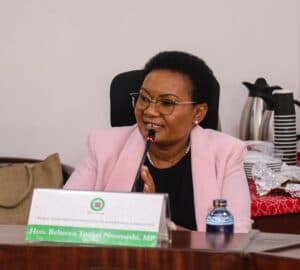
Narok Woman Representative Rebecca Tonkei highlighted the economic vulnerability of these communities, urging the government to take a more progressive approach.
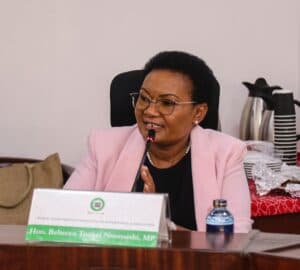
Narok Woman Representative Rebecca Tonkei
“These are very poor communities. If you ask parents in such areas to build modern kitchens, children will drop out of school. We must support them to ensure learners can eat in a clean and safe environment,” she said.
Sotik MP Hon. Julius Sigei supported this position, stressing the need for targeted interventions.
“These are people who have been neglected for a long time. We must enhance resources to uplift them while ensuring safety standards are not compromised,” he said.
However, Lunga Lunga MP Hon. Chiforomodo Mangale Munga warned against lowering standards, insisting that all learners deserve quality facilities.
“We should not compromise quality. These are Kenyan children and must have access to clean, modern kitchens. The council should seek more resources to meet these standards,” he said.
The committee also raised concerns about irregular fund disbursement identified by the Auditor-General, which has caused delays in food supply delivery in some areas.
Legislators noted that, in certain cases, schools went months without food supplies, weakening the programme’s effectiveness.
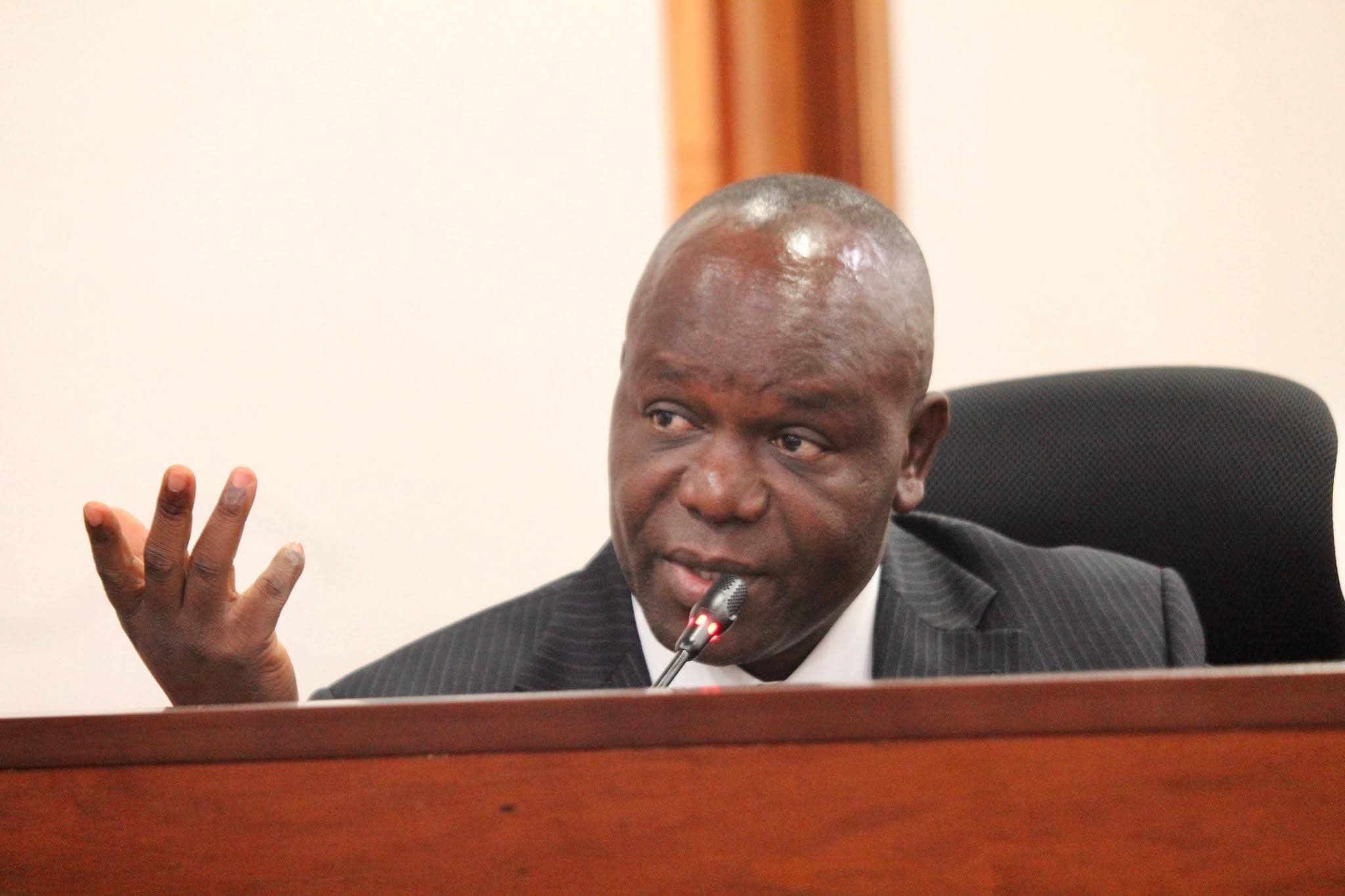
Kasipul MP Hon. Ong’ondo Were, who chaired the session, assured NACONEK that the committee would recommend solutions to address both financial and operational challenges.
“This matter is before the committee, and we will make recommendations to ensure you receive adequate funding to resolve these challenges,” he said.
Kilome MP Hon. Thaddeus Nzambia requested clarification on NACONEK’s funding structure and long-term sustainability, while Bomachoge Chache MP Hon. Alpha Miruka suggested granting the council more autonomy to improve efficiency.
“I think the issue of resources is critical. As a committee, we can recommend increased funding and even involve the Education Cabinet Secretary and Principal Secretary to ensure these concerns are addressed,” said Hon. Miruka.
Lawmakers also emphasized the need for a coordinated government approach, warning that continued budget cuts are undermining efforts to support vulnerable learners.
READ ALSO: Millions of learners face dropout risk as KSh8 billion budget shortfall threatens school feeding programme
These concerns emerged as the committee reviewed NACONEK’s financial statements for the year ending June 30, 2025, with MPs advocating for reforms to ensure stable funding, improved infrastructure, and stronger oversight.
If the issue is not addressed, legislators cautioned that the funding gap could reverse progress made in improving education access among children in marginalized and nomadic communities, where school feeding programmes remain essential for enrolment and retention.
By Joseph Mambili
You can also follow our social media pages on Twitter: Education News KE and Facebook: Education News Newspaper for timely updates.
>>> Click here to stay up-to-date with trending regional stories
>>> Click here to read more informed opinions on the country’s education landscape

Reader Discussion (0)
Sign in to comment