






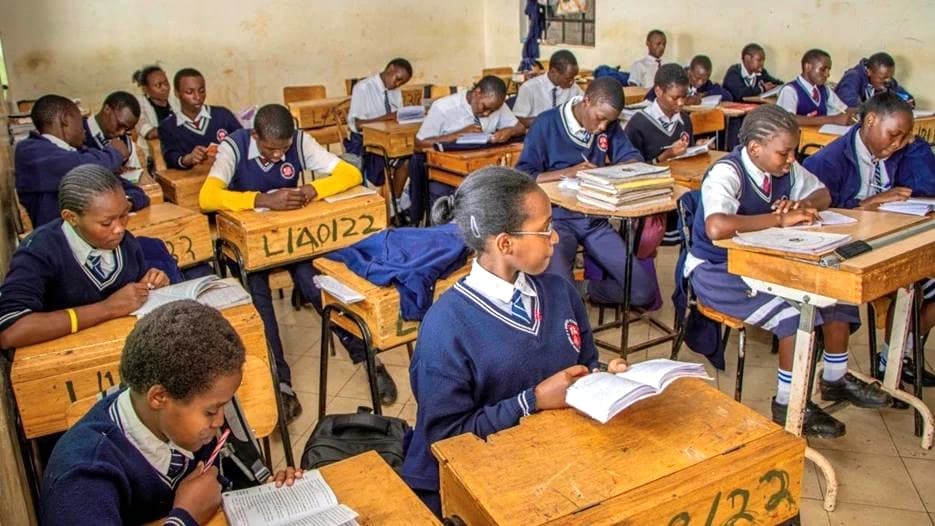

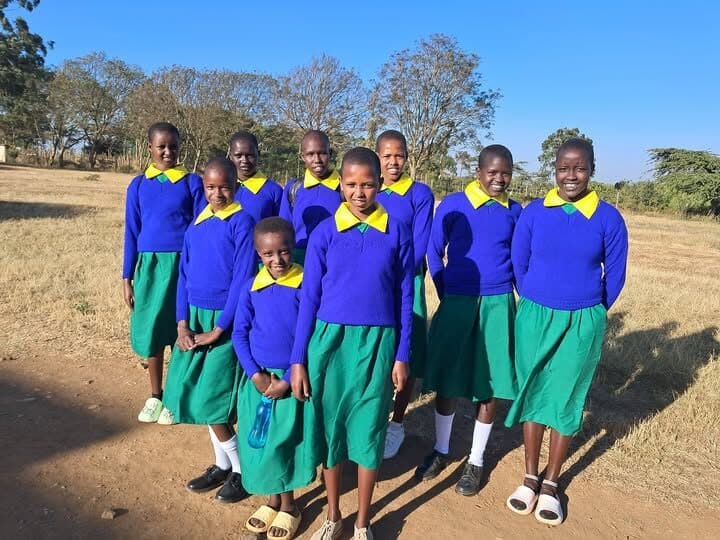
The Nabulaa Accelerator Learning Program (NALP), an educational initiative spearheaded by the Samburu Girls Foundation (SGF), has proven to be a game-changer for education in the region, leading to a rise in student enrollment, retention, and transitions to secondary education.
The programme, designed to address the specific challenges faced by learners in Samburu, is making significant strides in tackling absenteeism and helping students return to school.
The NALP targets out-of-school children aged 10 to 14, aiming to enrol 500 students annually. The program is currently being rolled out in six wards within Samburu County, with plans for further expansion.
Mercy Wanderi, a Programs Officer at SGF, explained that the county’s unique educational challenges called for an accelerated learning program. “In Samburu, 40 percent of children aged between 6 and 17 are out of school, and this is largely due to cultural barriers and gender inequalities,” Wanderi said.
The high dropout rate is attributed to a combination of factors, including early child marriage (31.9 percent), teenage pregnancies (50 percent), and the prevalence of Female Genital Mutilation (FGM) (75.6 percent), as reported by the Kenya Demographic and Health Survey (KDHS) 2022. Additionally, boys are often tasked with herding responsibilities, which further disrupts their schooling. “Some boys are groomed into toxic moranism, which contributes to the high rate of absenteeism,” Wanderi noted.
ALSO READ:
https://educationnews.co.ke/st-johns-kibongwa-celebrates-kcse-breakthrough-as-university-qualifiers-rise/
Poverty, climate change, and insecurity are also major challenges affecting school attendance, while many parents in the region do not fully appreciate the value of education, making them less likely to support their children’s schooling.
Wanderi pointed out that in Samburu, children typically begin school between the ages of 10 and 12, as opposed to younger children elsewhere. This disparity arises because there are no clear guidelines for accelerated learning in the education system. As a result, students are often placed in pre-primary classes, where they are at least two grades behind their peers.
“Our accelerated learning program is unique and tailored to this community. Students in the NALP cover the coursework of PP1, PP2, Grade 1, and Grade 2 in just one year, allowing them to graduate into mainstream schooling,” she explained. The program effectively reduces the six years of primary school to just four, helping students catch up with their peers.
Wanderi highlighted the success of the program, noting that the Samburu Girls Foundation has been piloting the NALP for eight years in close collaboration with the Ministry of Education (MOE). “NALP is aligned with the Competency-Based Curriculum (CBC), which ensures that the children receive a well-rounded education,” she said.
The program also provides vocational training for girls over 15 years old who choose not to continue in primary school, offering seed capital for those interested in starting small businesses. “We are empowering these young women to become self-sufficient, whether they pursue education further or venture into entrepreneurship,” Wanderi added.
The NALP is designed to be inclusive, with 70 percent of the students being girls and 30 percent boys. The program operates within public primary schools under the guidance of the Ministry of Education, with teachers selected by the Teachers Service Commission (TSC) and the schools’ Board of Management. Additionally, the Samburu County Government supports the initiative through its school feeding program, ensuring that students have access to nutritious meals.
ALSO READ:
https://educationnews.co.ke/tsc-releases-approved-subject-combinations-for-secondary-school-teachers/
Education stakeholders in Samburu County have welcomed the programme, noting its positive impact on both enrollment and retention. “The return of children who had previously dropped out of school is a huge victory for the community. Parents are now more confident about sending their children to school, knowing that they will be given the support they need to succeed,” said one local education official.
The NALP was validated by the Samburu Educational Stakeholders Technical Working Group (TWG) before its rollout, ensuring that it meets the needs of the community and aligns with national educational goals.
With continued support from the Samburu County Government, the Ministry of Education, and other partners, the Nabulaa Accelerator Learning Program is expected to play a critical role in improving educational outcomes for children in Samburu, particularly girls, and ensuring that they are equipped with the skills and knowledge to thrive in an ever-changing world.
By Kimutai Langat
You can also follow our social media pages on Twitter: Education News KE and Facebook: Education News Newspaper for timely updates.
>>> Click here to stay up-to-date with trending regional stories
>>> Click here to read more informed opinions on the country’s education landscape

Reader Discussion (0)
Sign in to comment