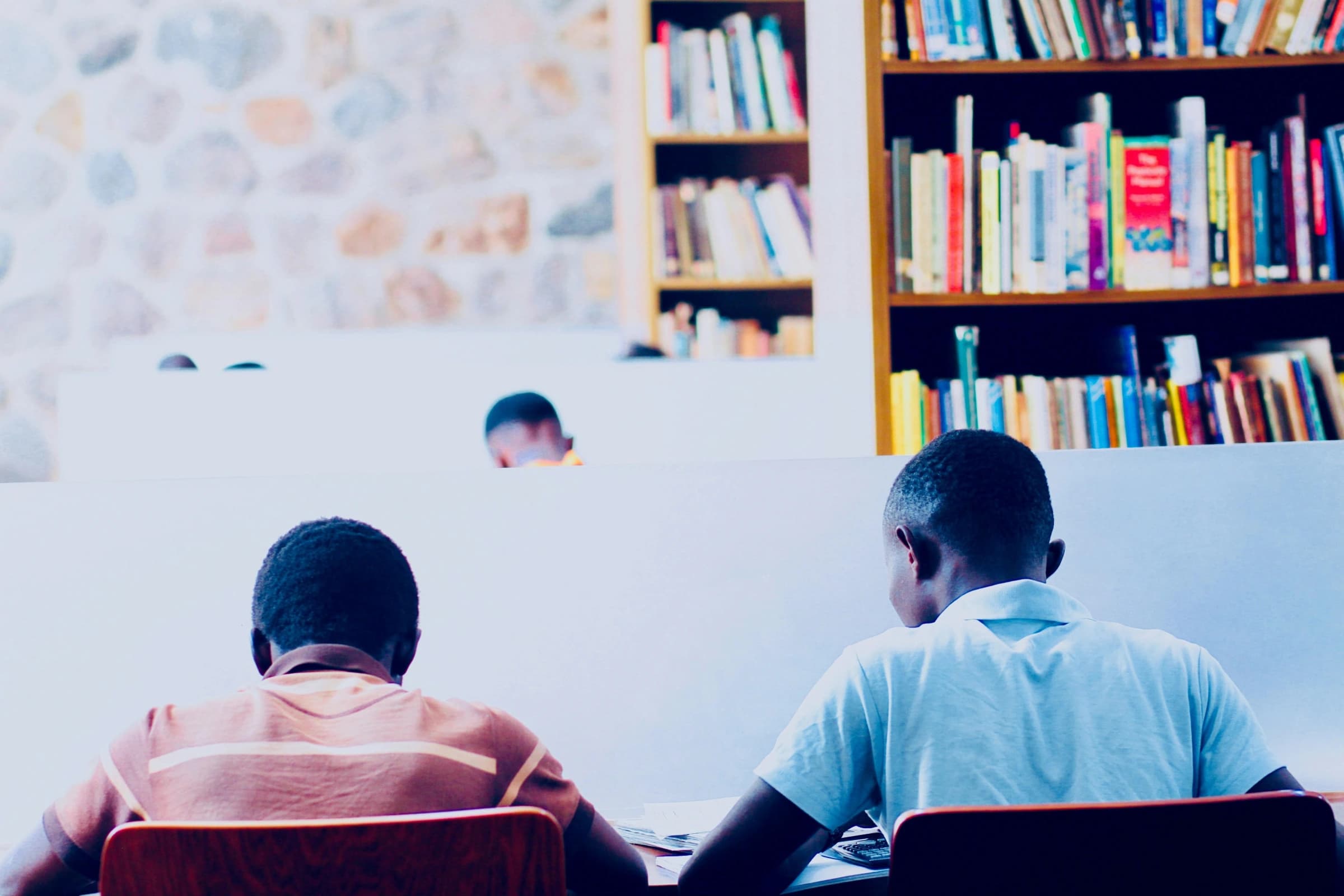


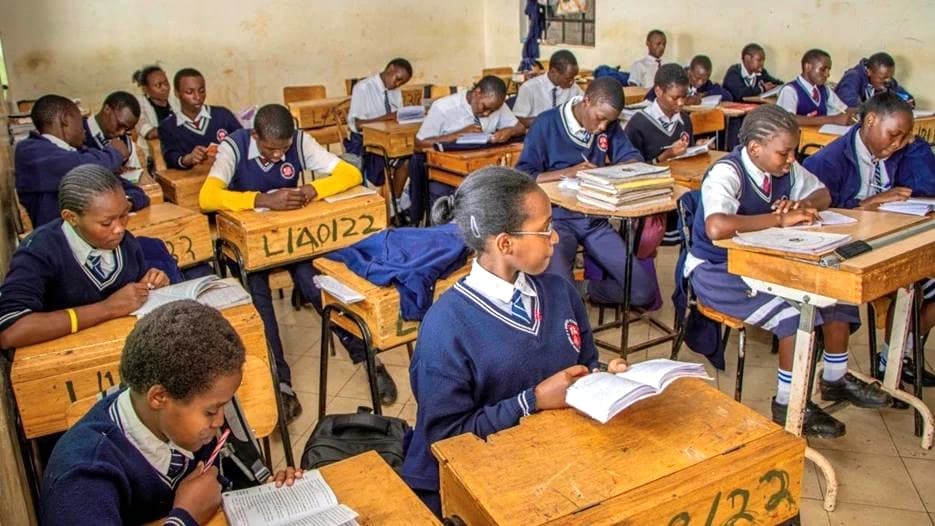


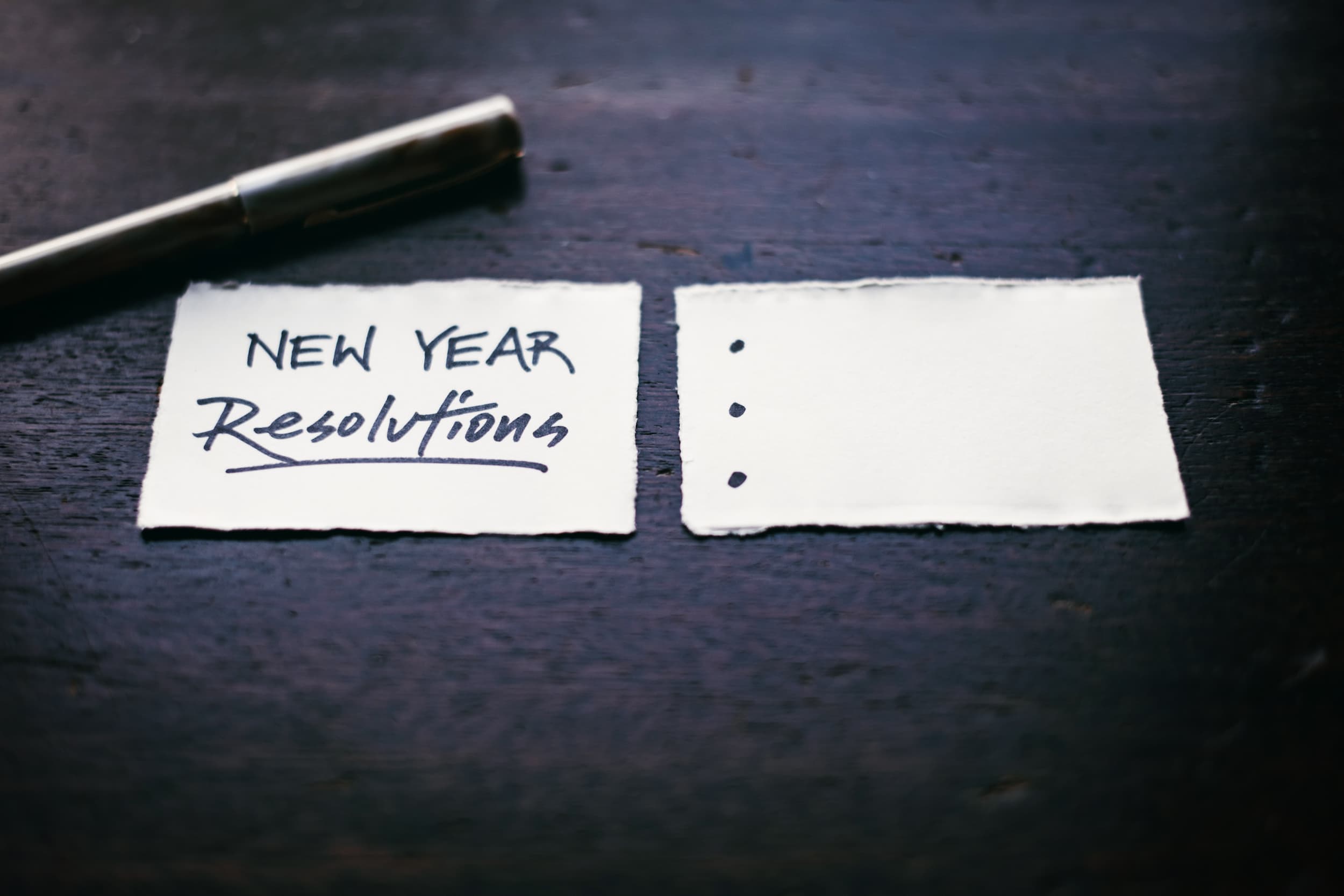
I have come to realise, the more you read, the more you know. The more you know, the more you grow. The more you grow, the more you glow. The more you learn, the more you earn. The more you know, the more things you do. The more you do, the more places you go. On the power of the written word, John Piper, an author of Christian classics, cited in God is the Gospel, that books do not change people. Paragraphs do. Sometimes, even sentences.
So, why should we sneak reading into our long list of New Year’s resolutions? What are the bountiful benefits of reading the best books? Straight into it. Reading is a brain exercise. Reading keeps the mind fit as a fiddle. Reading prevents cognitive decline at old age. So, we say old is gold. Reading is a stress-buster. Reading is reflective and meditative. Reading is self-care. Reading builds vocabulary. Reading enriches word banks. Reading adds glamour to grammar.
Ideally, reading about the trials and triumphs of others makes us magnanimous. Reading supplies knowledge. Reading is the source of some winsome wisdom. Reading expands valuable vaults of great wit. Reading expands attention and concentration span. Reading enhances mastery and memory of the content taught. Reading is for edutainment. Reading exposes people.
Actually, reading builds better writers and orators. Reading is the sure source of fertile imagination, creativity and ingenuity. Reading builds the three strands of thinking: Critical, creative and decision-making. Or reasoning, making judgments and problem solving. In The Wealth Money Can’t Buy, Robin Sharma argues that reading gives us the Gargantuan Competitive Advantage (GCA). By reading the best books, we gain mental toughness to assist us in solving perplexing problems rife in this life. Reading builds muscles, making readers heavy-weight thinkers.
ALSO READ:
https://educationnews.co.ke/ida-odinga-calls-for-disaster-management-to-be-taught-across-kenyas-school-curriculum/
Therefore, when the year is still young and virgin, we can begin to win by identifying places to buy the best books. Again, in The Wealth Money Can’t Buy, Robin Sharma has a captivating chapter titled The Human Who Reads the Most Wins. Therein, he talks about Book Accumulation Beyond Life Expectancy (BABLE). Ensuring your home has good shedloads of reads on: Creativity, productivity, history, psychology, business, communication, vitality, longevity and metaphysics. For Judah ibn-Tibbon advised, “Make thy books thy companions. Let thy cases and shelves be thy pleasure grounds and gardens.”
Advisedly, Seneca observed, “So long as you live, keep learning how to live.” Living right means taking care of mental inputs each day, week, month, and year. So, when voyaging into a new year, purpose-driven people envision the kind of best books they want to buy, devour and savour. Meaning, a sane person with a sound mind, yearning to grow and glow in different dimensions, sets real resolutions on ways of mining wealth of wisdom from houses of gold – books. Intellectual growth comes through work, not luck.
Consequently, permit me to state that real readers see it as a habit. Charles Duhigg, in The Power of Habit, contends that habits are mental shortcuts learnt from experience. Habits are also repeated patterns of behaviour. Through right repetition, we entice and evince excellence. Then, we achieve success. No wonder, in the distant past, Aristotle advised, “We become what we repeatedly do; excellence is not an act, but a habit.”
Then, those who read widely and wildly see it as a culture, which they carefully cultivate and nurture. They read what they love until they love to read. Culture is a way of life. Therefore, we thrive in reading when we make it a lifestyle. No wonder, Admirable readers pore over wads of articles splashed in newspapers, magazines, websites and blogs. They read sacred scriptures. They brood on tonnes of tantalising tomes of best poetry books, (auto)biographies, leadership and motivation.
Moreover, I strongly believe that whoever wants to read and reap real benefits should plan. Reading requires diligence and discipline. Reading a book per week translates to 52 books per year. Reading a book per month translates to 12 books per year. So, you simply pick the best book you want to read. Read 10 pages every day. In a month, you will be done and dusted. Your reading muscles will begin to grow. You will gain more motivation to read. You will whet your appetite for the written word.
ALSO READ:
https://educationnews.co.ke/in-2026-our-leaders-must-prioritize-education-by-going-beyond-supervision-of-distribution-of-bursaries/
Additionally, there are four levels of reading popularised by Mortimer J. Adler and Charles Van Doren in their heroic book titled How to Read a Book. Elementary is the first level, which focuses on basic comprehension. The second level is inspectional reading, focusing on getting the big picture. The third level is analytical reading, which is deep reading. Then, there is syntopical reading, where you read several books on the same topic and analyse them together. So, you are at which level of reading?
Furthermore, there are different types of readers. The ravenous reader is always hungry for the written word. The omnivorous one reads all manner of texts. A voracious reader does it with a lot of enthusiasm. The avid reader broods on books. The insatiable reader has a fat appetite hard to sate. Tenacious reader clings to reading. A habitual reader treats it as a ritual. In that regard, you are what type of a reader?
Finally, Janet E. Gardener writes something sensible in her heroic book titled Reading and Writing about Literature: Reading becomes useful when readers focus on good reading skills. She begins with repetition, which is re-reading. For Nassim Nicholas Taleb put it aptly, “A good book gets better at the second reading, a great book at the third reading. No book is quite the same when you read it again.” Likewise, there is text-marking, which is highlighting. Then, text-annotation, which is about writing insights on the margins. You can also make or take notes as you read. As well as make wise use of reference materials such as dictionaries and thesauruses.
By Victor Ochieng’
The writer is an avid reader and educator. vochieng.90@gmail.com. 0704420232
You can also follow our social media pages on Twitter: Education News KE and Facebook: Education News Newspaper for timely updates.
>>> Click here to stay up-to-date with trending regional stories
>>> Click here to read more informed opinions on the country’s education landscape


Reader Discussion (0)
Sign in to comment