



A growing push to restructure Kenya’s Competency-Based Education (CBE) is gaining momentum following a formal petition to Parliament that warns of a looming financial, legal and social crisis in the education sector.
The petition, addressed to both the National Assembly and the Senate, calls for a shift from the current 2-6-3-3-3 structure to a more cost-effective 2-6-2-4-3 model at the basic education level. Education stakeholders backing the proposal argue that the change would ease pressure on infrastructure, improve teacher deployment and restore harmony in schools.
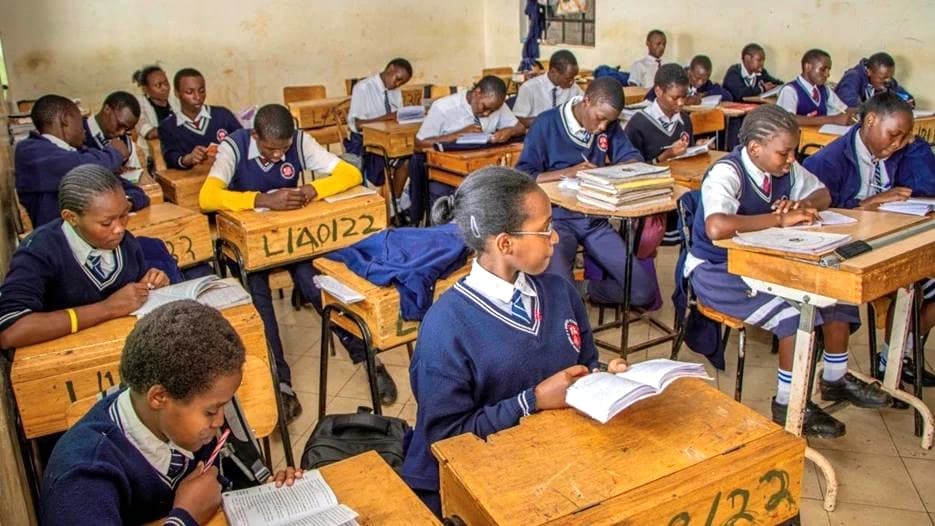
Under the proposed structure, Junior Secondary School (JSS) would be reduced from three years to two years, covering Grades 7 and 8, and would remain domiciled in primary schools. Senior Secondary School (SSS) would be extended to four years, encompassing Grades 9 to 12, and would be undertaken in existing secondary schools.
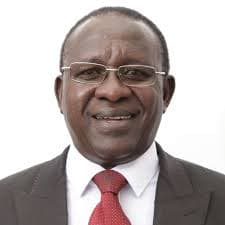
Former Teachers Service Commission (TSC) Secretary Benjamin Sogomo, whose views inform the petition, says the current structure has overstretched the system and failed to adequately account for human dynamics in schools.
“We were overly focused on physical infrastructure and overlooked behaviour, management and social interaction,” Sogomo notes, warning that the current arrangement has created unnecessary tension within school communities.
A major concern raised in the petition is the absence of a solid legal framework underpinning CBC implementation.
Despite being operational for more than seven years, CBC has not been formally approved by Parliament through a sessional paper. In addition, the Basic Education Act of 2013, which is still in force, predates CBC and does not adequately provide for its current structure.
ALSO READ:
https://educationnews.co.ke/south-rift-teachers-urged-to-invest-early-and-strengthen-community-bonds/
“This means the education sector is running largely on executive decisions without firm legislative backing,” the petition states, adding that at least eleven proposed education laws and amendments remain pending before Parliament.
The petition argues that while CBC is sound in principle as a learner-centred and skills-based system, its rollout has been expensive and insufficiently planned. Schools offering JSS are expected to provide specialised facilities such as laboratories, music rooms and pre-technical workshops.
Although government and partners have funded the construction of about 23,000 classrooms, the petition estimates that at least 30,000 are required nationally. The situation is compounded by a shortage of about 7,000 classrooms for Grade 9, alongside a near-total absence of specialised facilities in most primary schools. Thousands of primary schools that were barred from offering JSS also remain without a clear upgrade pathway.
By relocating Grade 9 to senior secondary schools, which already have better laboratories and infrastructure, the petition argues that the Treasury could save billions of shillings in new construction costs.
Teacher deployment has emerged as another flashpoint. The TSC has so far recruited about 76,000 JSS teachers, with plans to hire an additional 24,000 by January 2026. However, CBC’s multiple subject pathways at senior secondary level are projected to require about 78,000 additional specialised teachers.
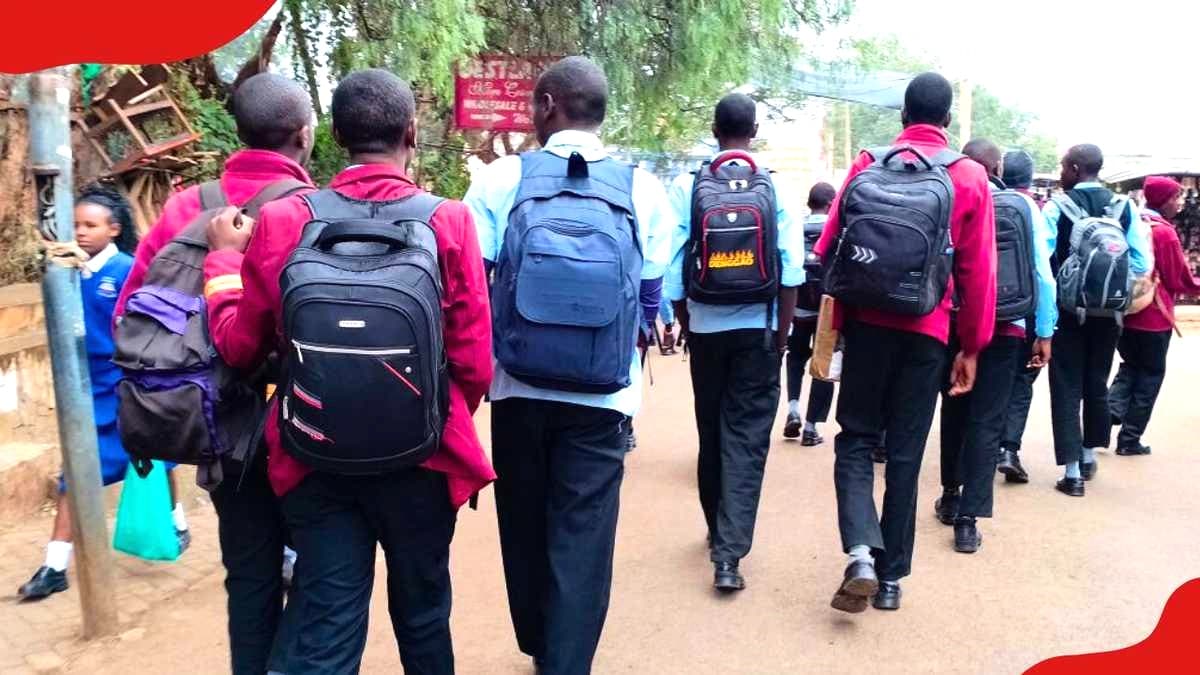
At the same time, the decision to domicile JSS in primary schools has triggered a “cold war” within school compounds. Tensions have been reported between primary school headteachers and newly recruited graduate JSS teachers, some of whom have called for junior school autonomy.
The petition links these disputes to union rivalry between KNUT and KUPPET, resistance to school leadership, and competition over shared resources such as staffrooms and playgrounds. It cautions that granting JSS autonomy could deepen administrative confusion and exacerbate infrastructure challenges.
ALSO READ:
https://educationnews.co.ke/president-ruto-dismisses-claims-of-reduced-school-funding-warns-critics-against-politicizing-cbc/
Under the proposed 2-6-2-4-3 model, Grades 7 and 8 would be taught by retooled primary school teachers, similar to how upper primary classes were handled under the 8-4-4 system. Graduate JSS teachers would be redeployed to senior secondary schools, immediately easing staffing gaps in specialised learning pathways.
The petition further suggests that while the Kenya Institute of Curriculum Development (KICD) should retain the Grade 9 assessment, it could be better aligned with senior secondary specialisation tracks in Arts, STEM and Social Sciences.
The petition urges lawmakers to incorporate the proposed restructuring into the forthcoming education sessional paper, arguing that timely legislative action is critical to stabilising the sector.
“We need sanity back in our schools,” Sogomo says. “Junior school should be handled by primary school teachers, while graduate teachers should be deployed where their skills are most needed in secondary schools.”
With the next phase of CBC implementation scheduled for January 2026, pressure is mounting on Parliament to decide whether to maintain the current structure or pivot to what proponents describe as a more practical, affordable and “Kenyan-reality” friendly education model.
By Felix Wanderi
You can also follow our social media pages on Twitter: Education News KE and Facebook: Education News Newspaper for timely updates.
>>> Click here to stay up-to-date with trending regional stories
>>> Click here to read more informed opinions on the country’s education landscape

Reader Discussion (0)
Sign in to comment