






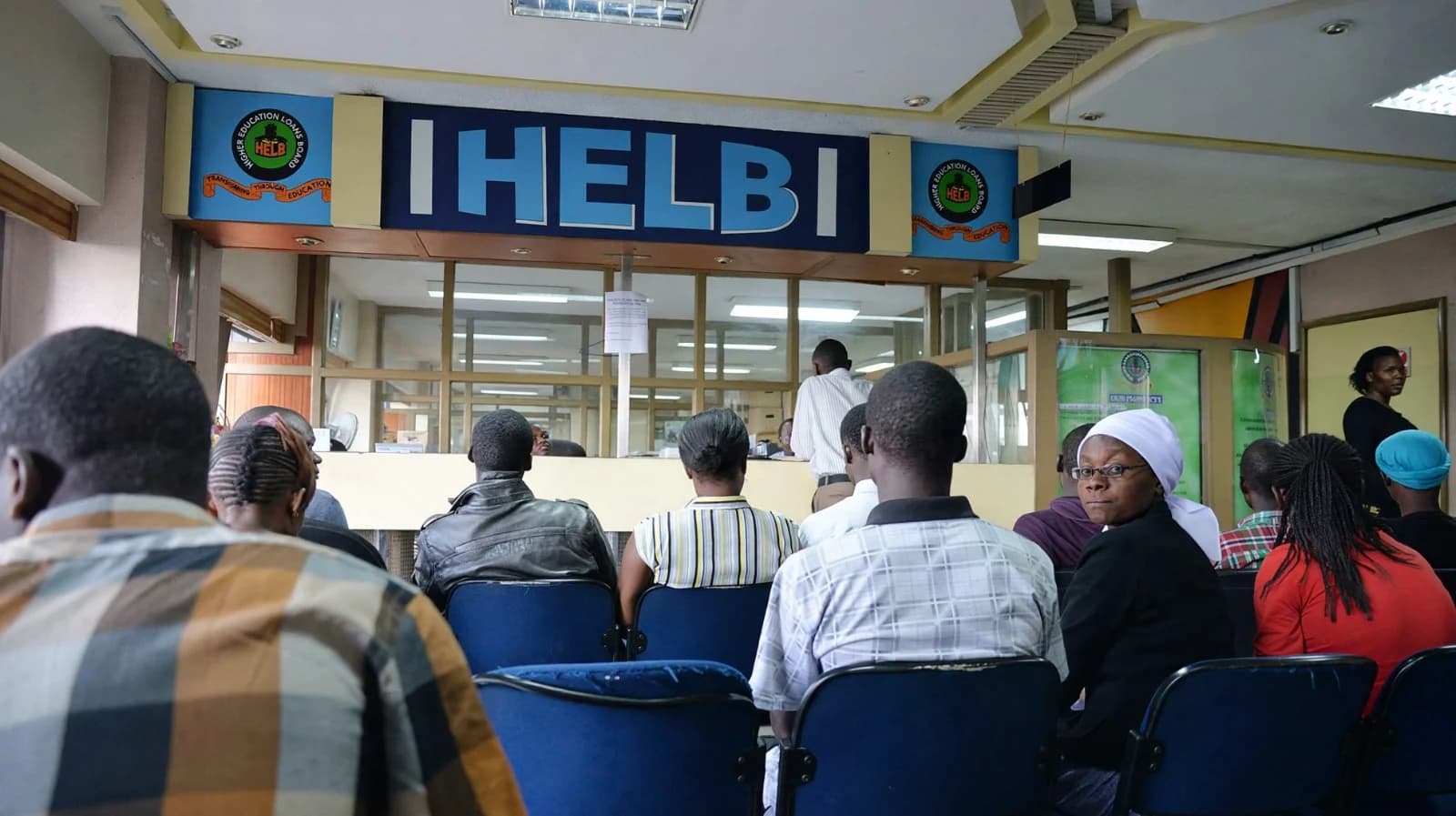
The High Court’s August 2022 ruling on HELB has resurfaced online, reigniting debate and pushing an old judgment back into the national spotlight. What was once a quiet legal victory has now sparked widespread agitation as graduates demand answers, potential refunds, and greater accountability from the loan body.
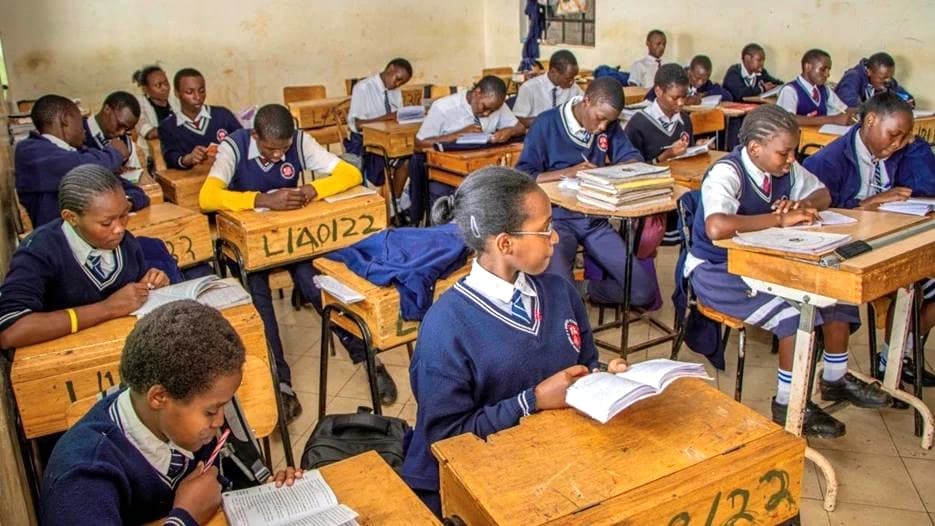
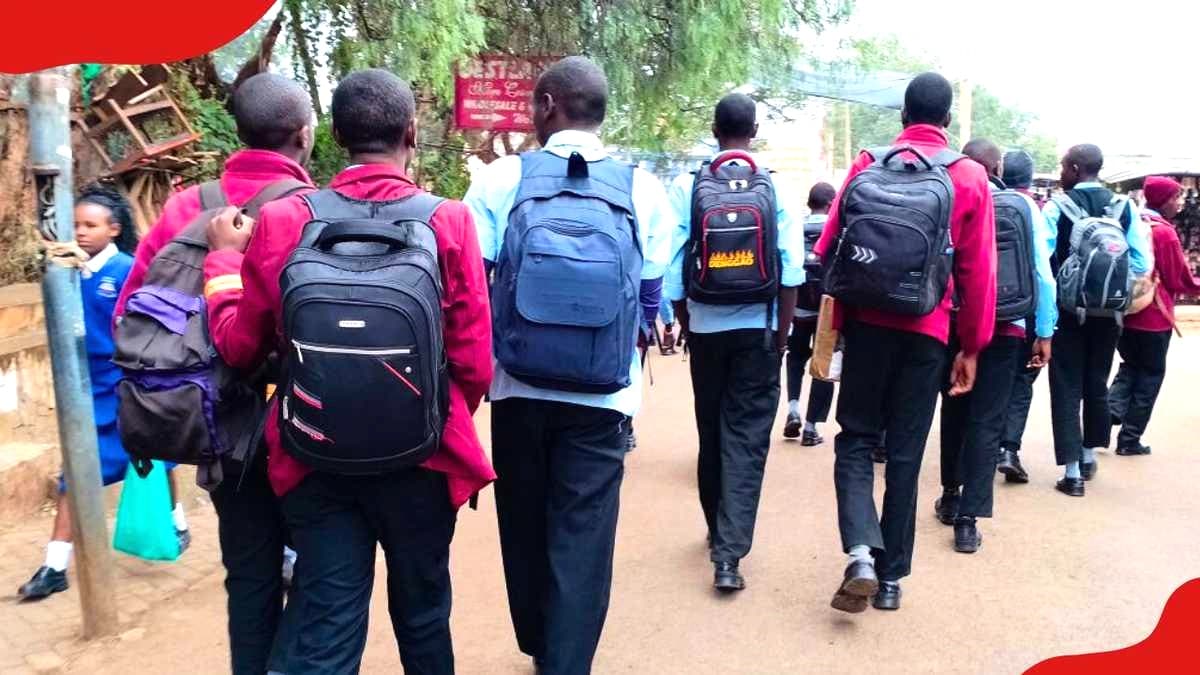
At the heart of the renewed controversy is the in duplum rule, which prohibits HELB from imposing interest and penalties that exceed the original amount borrowed. Many beneficiaries argue that their relatively small loans ballooned into overwhelming debts shortly after graduation, particularly during periods of unemployment.
The revived ruling prompted thousands of Kenyans to scrutinise their loan statements, with some claiming their current balances still surpass the legal ceiling. The mounting pressure forced HELB to issue a public statement affirming that it has complied with the ruling since 2022 and encouraging borrowers to seek formal reviews if they identify any irregularities.
However, instead of easing public anxiety, the statement generated even more questions—chief among them: how many accounts have actually been adjusted, and whether any refunds have been processed.
READ ALSO:
https://educationnews.co.ke/non-teaching-staff-in-senior-schools-roles-recruitment-and-benefits/
Beneath the online uproar lie genuine frustrations. Some graduates report that loans as low as Ksh35,000 ballooned to more than triple the amount before the ruling took effect.
Others say they were threatened with CRB listing long before securing a stable income.
This renewed push has intensified calls for transparency, with many demanding that HELB publicly disclose how many loan accounts were recalculated and what corrective measures have been taken.
By Joseph Mambili
You can also follow our social media pages on Twitter: Education News KE and Facebook: Education News Newspaper for timely updates.
>>> Click here to stay up-to-date with trending regional stories
>>> Click here to read more informed opinions on the country’s education landscape



Reader Discussion (0)
Sign in to comment