

The current outcry by some private school parents over Senior School placement rings hollow when examined honestly and in context. For nine uninterrupted years, these parents made a deliberate, calculated choice to place their children in private schools from Grade 1 through Grade 9. That choice came with clear benefits: smaller classes, better facilities, stable teacher availability, enriched learning materials, individual learner attention, and generally predictable learning environments. Having enjoyed these advantages for close to a decade, it is disingenuous for the same parents to now demand placement for their children in public national and extra-county schools at the expense of learners who endured the full weight of public education challenges.
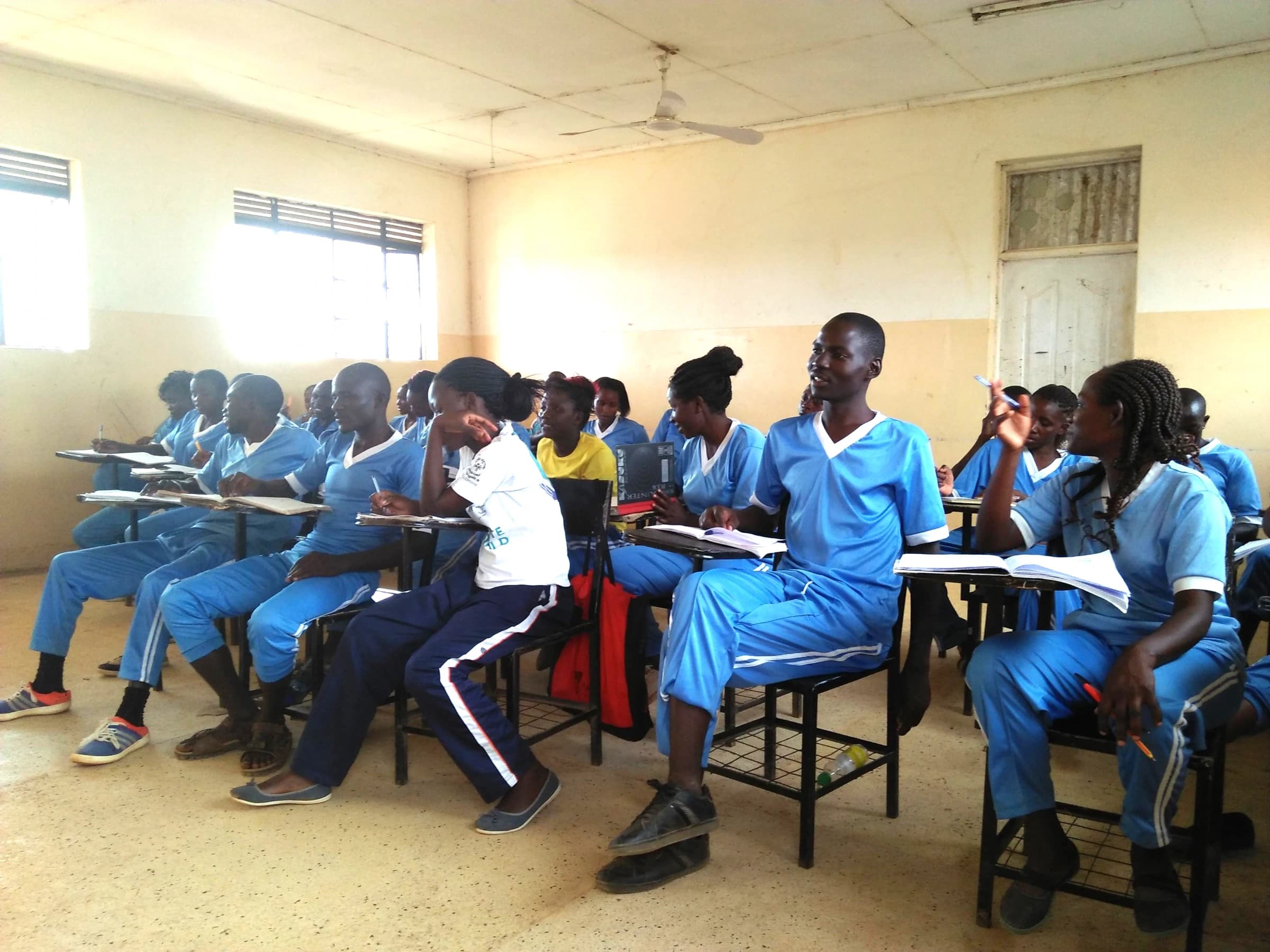
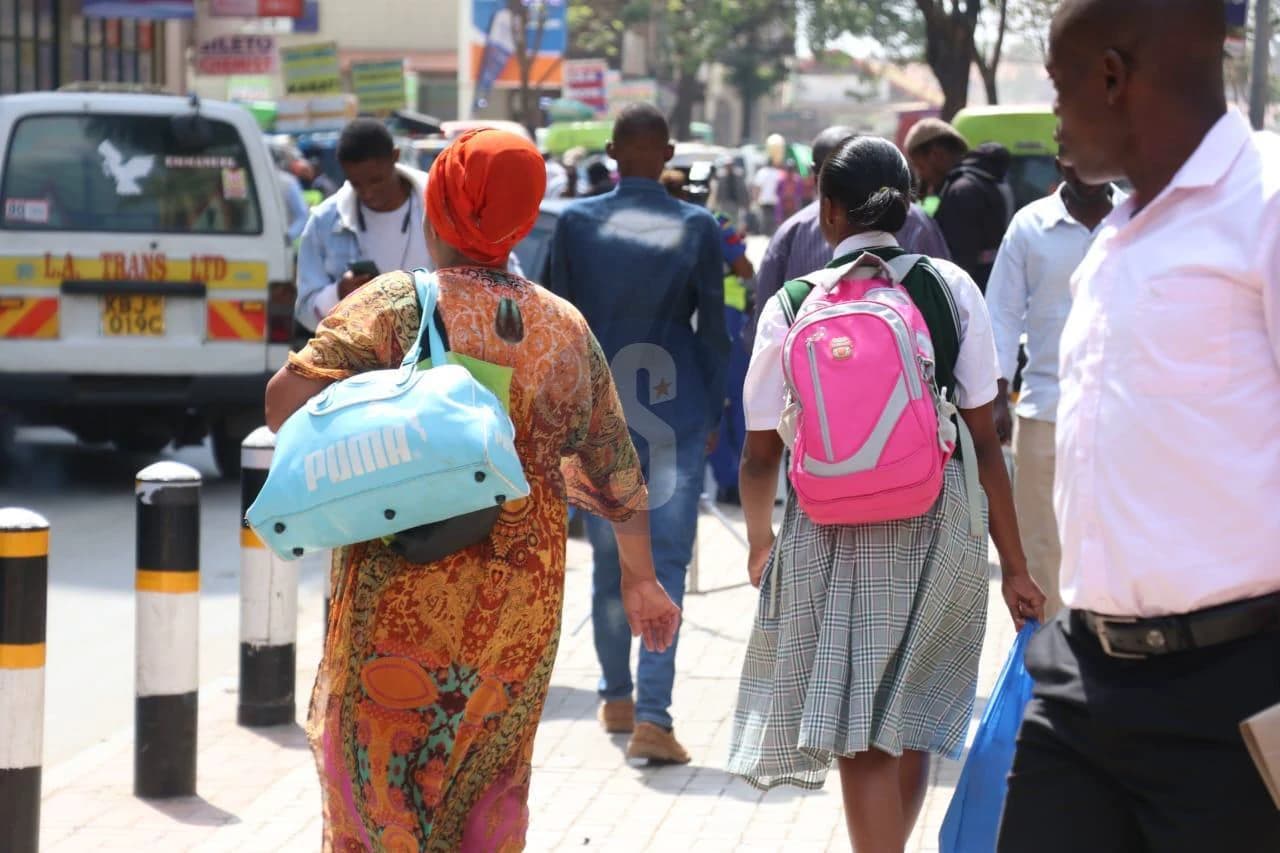
Public school learners in Kenya have walked a far rougher road. Many learned in overcrowded classrooms, sometimes with one teacher handling numbers far beyond recommended ratios. They experienced teacher shortages, frequent transfers, delayed replacements, and, in some cases, prolonged periods without subject specialists. Learning resources were often stretched thin, forcing improvisation where private schools enjoyed abundance. Infrastructure gaps, limited laboratory access, shared textbooks, and constrained co-curricular opportunities were part of the daily reality. These conditions directly affect the quality and depth of learning, yet public school learners persevered.
The playing field, therefore, was never level. Private school learners operated on smooth turf while their public school counterparts ran uphill, barefoot, carrying extra weight. To ignore this imbalance when discussing placement is to erase the lived experiences of millions of learners deliberately. It is unfair to compare outcomes without acknowledging context. Equity in education is not about treating unequal situations as if they were equal; it is about recognising disparity and responding to it justly.
Public school parents, too, made sacrifices that rarely make headlines. Many denied themselves basic comforts so they could contribute to school development funds, remedial programs, feeding initiatives, and infrastructure improvement projects. They attended endless PTA and BOM meetings, fundraised for classrooms, desks, dormitories, and sanitation facilities, and volunteered time and resources to keep schools functional. In many communities, public schools exist and survive because parents and local stakeholders step in where government provision falls short. Their commitment was not optional; it was a necessity born of circumstance.
READ ALSO:
https://educationnews.co.ke/sh150m-hostel-project-takes-off-at-khwisero-tvc/
These parents did not have the luxury of opting out when conditions were challenging. They stayed, invested emotionally and financially, and believed in the promise that public education could still uplift their children. Their learners grew resilient, adaptable, and resourceful, often succeeding despite the odds. When such learners finally earn opportunities in national and extra-county schools, it is not charity; it is recognition of endurance, consistency, and merit shaped under pressure.
Private school parents, on the other hand, exercised choice. They paid premiums for comfort, predictability, and enhanced academic support. That investment yielded returns in the form of strong academic preparation, exposure, and confidence. Having benefited from a private ecosystem, it is only reasonable that their children continue along private education pathways at the Senior School level. Private schools did not suddenly disappear at Grade 9; they exist, are expanding, and are well-positioned to absorb their own learners.
The argument that “Exceeding Expectations” should automatically translate to placement in public elite schools overlooks the broader purpose of placement. Senior School placement is not merely a reward for individual performance; it is also a tool for balancing opportunity, correcting systemic disadvantage, and maintaining social cohesion. National and extra-county schools were historically designed to offer capable learners from diverse and often under-resourced backgrounds access to quality education they would otherwise never afford. Turning them into extensions of private privilege undermines that mission.
There is also an ethical contradiction at play. For years, some private school parents openly disparaged public schools, questioning their quality, discipline, and outcomes. They withdrew their children, citing inadequacy and inefficiency. It is inconsistent, then, to suddenly rebrand public schools as desirable only at the point of Senior School placement. One cannot dismiss a system for nine years and then demand its best products when it suits personal interest.
This is not an attack on private schools or their learners. Private schools play a critical role in Kenya’s education landscape and have every right to celebrate strong outcomes. However, celebration should not morph into entitlement. Choice carries consequences, and consistency demands that parents stand by the paths they choose. If private education was good enough from Grade 1 to 9, it should be good enough for Senior School.
Fairness in placement requires honesty. Public school learners deserve first consideration in public national and extra-county schools because they have grown within that system, endured its challenges, and contributed—through their families—to its survival and improvement. Their placement is a reward for collective sacrifice. Private school learners are not being punished; they are being guided to remain within the ecosystem that nurtured them.
In the end, the conversation should not be about who shouts loudest, but about justice. Education systems thrive when decisions reflect balance, context, and moral clarity. Allowing private school parents to dominate public school spaces after years of opting out only deepens inequality and resentment. Let each system carry its learners forward with dignity. Public schools should uplift those who stand by them, and private schools should confidently shape the futures of those who choose them.
By Ashford Kimani
Ashford teaches English and Literature in Gatundu North Sub-county and serves as Dean of Studies.
You can also follow our social media pages on Twitter: Education News KE and Facebook: Education News Newspaper for timely updates.
>>> Click here to stay up-to-date with trending regional stories
>>> Click here to read more informed opinions on the country’s education landscape

Reader Discussion (0)
Sign in to comment