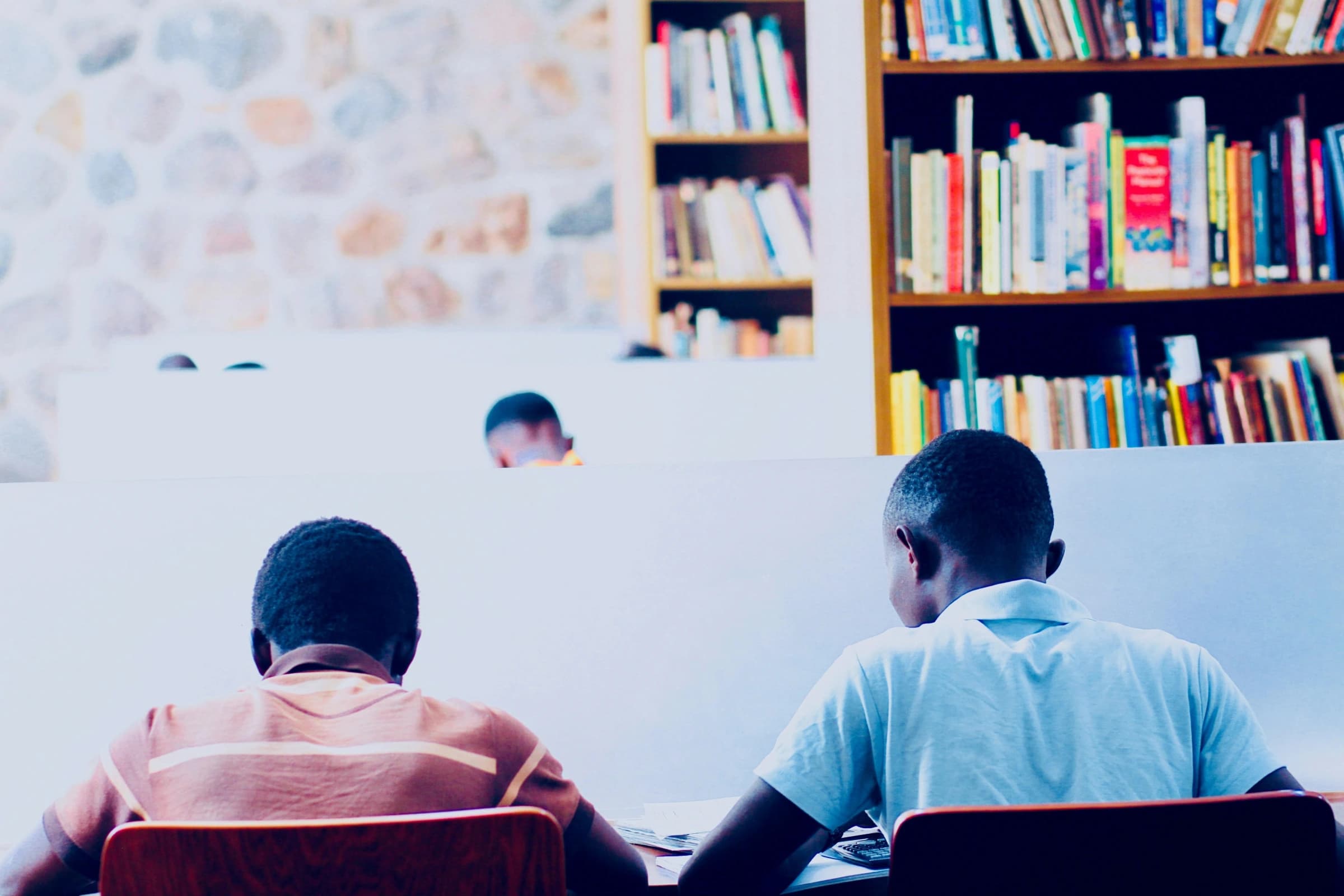


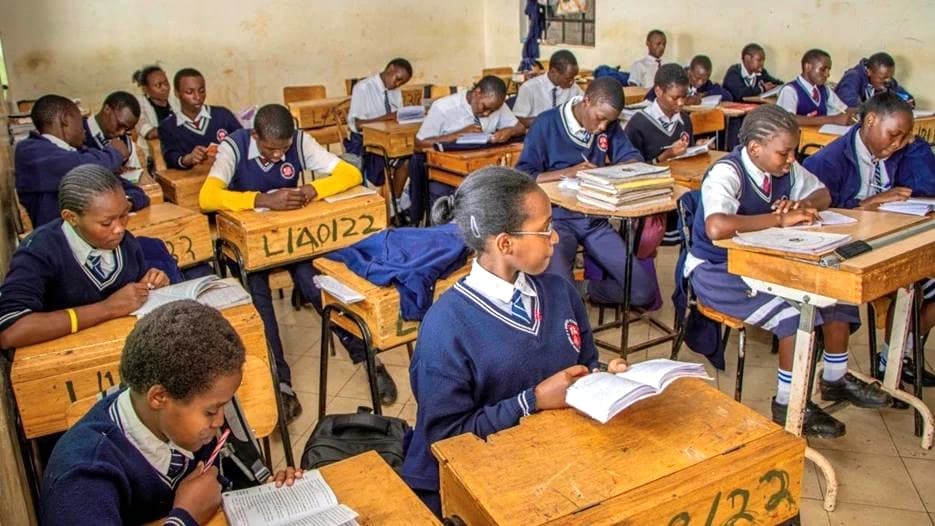




Boarding school can be a blessing when it is chosen for the right reasons. It can sharpen discipline, protect learners from distractions, strengthen academic focus, and provide structure that many homes struggle to sustain consistently. For some families, boarding school offers stability, routine, and an environment where a learner can concentrate on growth. That is the positive side, and it is real.
However, there is another side that is rarely discussed honestly. Boarding school becomes harmful when it is used as a substitute for parenting. When parents take learners to boarding school mainly to escape responsibility, the decision stops being about education and becomes an emotional relocation. The child may be physically safe, academically engaged, and surrounded by teachers, but emotionally unsupported and psychologically abandoned.
A school can assist in raising a learner, but it cannot replace a parent. The moment a parent assumes that teachers, matrons, dorm masters, and principals will take over the full role of parenting, the learner begins to suffer in ways that may not show immediately. The damage is often delayed, quiet, and misunderstood until it becomes severe.
The first major effect of using boarding school as a replacement for parenting is emotional abandonment. Learners are not foolish. They can sense when they have been taken to boarding school for their own growth and when they have been sent away because they are considered a burden. A child who feels “dumped” develops deep emotional insecurity. Some become withdrawn and quiet, while others become angry and confrontational. Both reactions are signs of emotional distress. When a learner feels unwanted, they may stop seeking approval, stop asking for help, and stop sharing their real struggles.
Closely related to this is the weakening of the parent-child bond. Parenting is built through daily presence, daily guidance, and consistent communication. When the parent withdraws, communication becomes shallow and transactional. Some parents only call to ask about grades, fees, shopping, or discipline issues. They rarely ask about friendships, bullying, emotional pressure, mental wellbeing, or personal fears. Over time, the learner learns to hide their inner world. They stop opening up because they do not feel emotionally safe. The relationship becomes distant, and the parent begins to lose influence in the learner’s life.
ALSO READ:
https://educationnews.co.ke/ps-bitok-commissions-14-renovated-classrooms-in-konoin-bomet-county/
When that bond weakens, moral guidance also becomes unstable. The home is the first place where values are taught and reinforced. Respect, integrity, responsibility, empathy, self-control, and honesty are not learned through academic subjects. They are learned through modelling, correction, and conversations. When a parent abandons that role, the learner begins to borrow values from peers. Unfortunately, peers do not always offer healthy direction. In boarding school, learners spend most of their time together, and peer influence becomes powerful. A learner who lacks strong parental guidance becomes vulnerable to negative groups, unhealthy habits, and risky behaviour.
Many parents send learners to boarding school hoping that discipline problems will disappear. That is a misconception. Boarding school can control behaviour through strict routines and rules, but it does not automatically transform character. Discipline problems often relocate rather than disappear. A learner who is stubborn at home may become defiant at school. A learner who refuses correction may learn how to hide misconduct more skillfully. Some become more secretive and more strategic. They may appear disciplined outwardly but remain emotionally unresolved. When such learners return home during holidays, parents are shocked by the attitude shift, disrespect, secrecy, or hostility. The parent then blames the school, yet the root problem is the emotional gap created by parental absence.
Boarding school also increases exposure to peer pressure. In a boarding environment, learners interact constantly. They eat together, sleep in the same dormitories, study in groups, and share social spaces daily. If a learner lacks confidence and strong guidance from home, they may compromise values to gain acceptance. This can lead to experimentation with drugs, alcohol, early sexual behaviour, bullying, and joining negative groups. Many learners fall into such traps not because they are naturally irresponsible, but because they are seeking belonging and protection.
Another effect is the decline of emotional intelligence. Boarding school teaches routine and obedience to rules, but emotional maturity is built through close mentorship and stable relationships. A parent who is present helps a child learn how to manage anger, handle rejection, resolve conflicts, communicate feelings, and make wise decisions under pressure. When parenting is absent, learners may grow academically but remain emotionally immature. They struggle to express themselves, they become easily irritated, and they may respond to challenges with either aggression or withdrawal.
Academic performance can also suffer, even in an environment designed for learning. Emotional instability affects concentration, motivation, and confidence. A learner who feels rejected or abandoned may develop anxiety, depression, and low self-esteem. Such a learner may stop caring about results because they feel nobody truly cares about them. Others may develop exam pressure and burnout because they lack emotional support and encouragement. Teachers can teach content, but they cannot fully replace the emotional foundation that a committed parent provides.
ALSO READ:
https://educationnews.co.ke/sadness-in-nyamira-as-another-maseno-varsity-student-dies-by-suicide/
Holidays become a serious test of the home-school relationship. When boarding school has been used to escape parenting, learners return home with emotional distance. Some refuse to engage in family activities, avoid conversations, and show resistance to authority. Parents then complain that the child has become rude, disobedient, or difficult. In many cases, the learner is responding to a deeper emotional message they internalized: that home is not a safe place. Instead of seeing home as a place of rest, they see it as a place of tension, criticism, or rejection. The holiday becomes a conflict period rather than a healing period.
Over time, the most dangerous long-term effect appears. The learner grows up without a reliable support system. When a child learns that they cannot depend on their parent emotionally, they become independent too early. They stop seeking advice and stop sharing struggles. This independence may look like strength, but it often produces emotional detachment. Such learners grow into adults who struggle with trust, intimacy, and healthy relationships. They may find it difficult to open up, forgive, or accept correction. In the future, they may repeat the same parenting mistakes because they never experienced emotionally present parenting.
Mental health challenges are also more likely when boarding school is used as an escape route. Boarding environments are demanding. Learners face pressure, competition, strict routines, and social challenges. A learner with stable parental support can manage these pressures better. A learner who feels abandoned may experience loneliness, anxiety, depression, sleep disturbances, and emotional breakdowns. Many suffer silently because they feel nobody is truly available to listen without judgment.
One of the clearest signs that boarding school has become a substitute for parenting is when the parent replaces presence with money. Paying fees and providing shopping are important responsibilities, but they do not equal parenting. A learner needs more than material support. They need emotional presence, guidance, correction, and consistent interest in their life. When parents provide financially but disappear emotionally, the learner grows up with resources but without direction.
Another clear sign is when parents blame the school for everything. When the learner fails, they accuse teachers. When the learner misbehaves, they attack the principal. When the learner falls into trouble, they blame the school environment. Yet they were absent in mentorship, absent in discipline, and absent in emotional support. Parenting cannot be abandoned and then demanded through results. It is a process, not an event.
The solution is not to demonize boarding school. Boarding school is not the enemy. The real issue is irresponsible parenting. Boarding school should be a support system, not a dumping ground. It should complement parenting, not replace it. A responsible parent remains actively involved even when the child is away. They communicate regularly, visit when possible, know the teachers and administrators, monitor academic and behaviour progress, and provide emotional guidance consistently. They ask deeper questions about the learner’s wellbeing, friendships, challenges, and pressures. They do not treat the child as a problem to be shipped away, but as a person to be guided.
When a learner knows they are loved, they accept correction better. When they feel rejected, they resist authority and hide their struggles. Parenting is not simply about controlling behaviour. It is about shaping identity, building values, and providing emotional security. Boarding school can help develop routine and discipline, but only parenting can build lasting character.
In summary, boarding school becomes dangerous when it is used to evade responsibility. It can weaken the parent-child bond, expose learners to negative peer influence, reduce moral guidance, increase emotional distress, and create long-term disconnection from home. A child may come out educated, but emotionally wounded and morally unstable. That is a cost no parent should be willing to pay.
By Hillary Muhalya
You can also follow our social media pages on Twitter: Education News KE and Facebook: Education News Newspaper for timely updates.
>>> Click here to stay up-to-date with trending regional stories
>>> Click here to read more informed opinions on the country’s education landscape




Reader Discussion (0)
Sign in to comment