


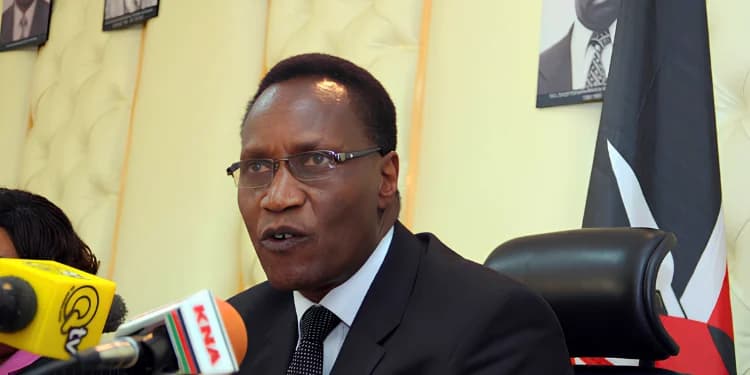



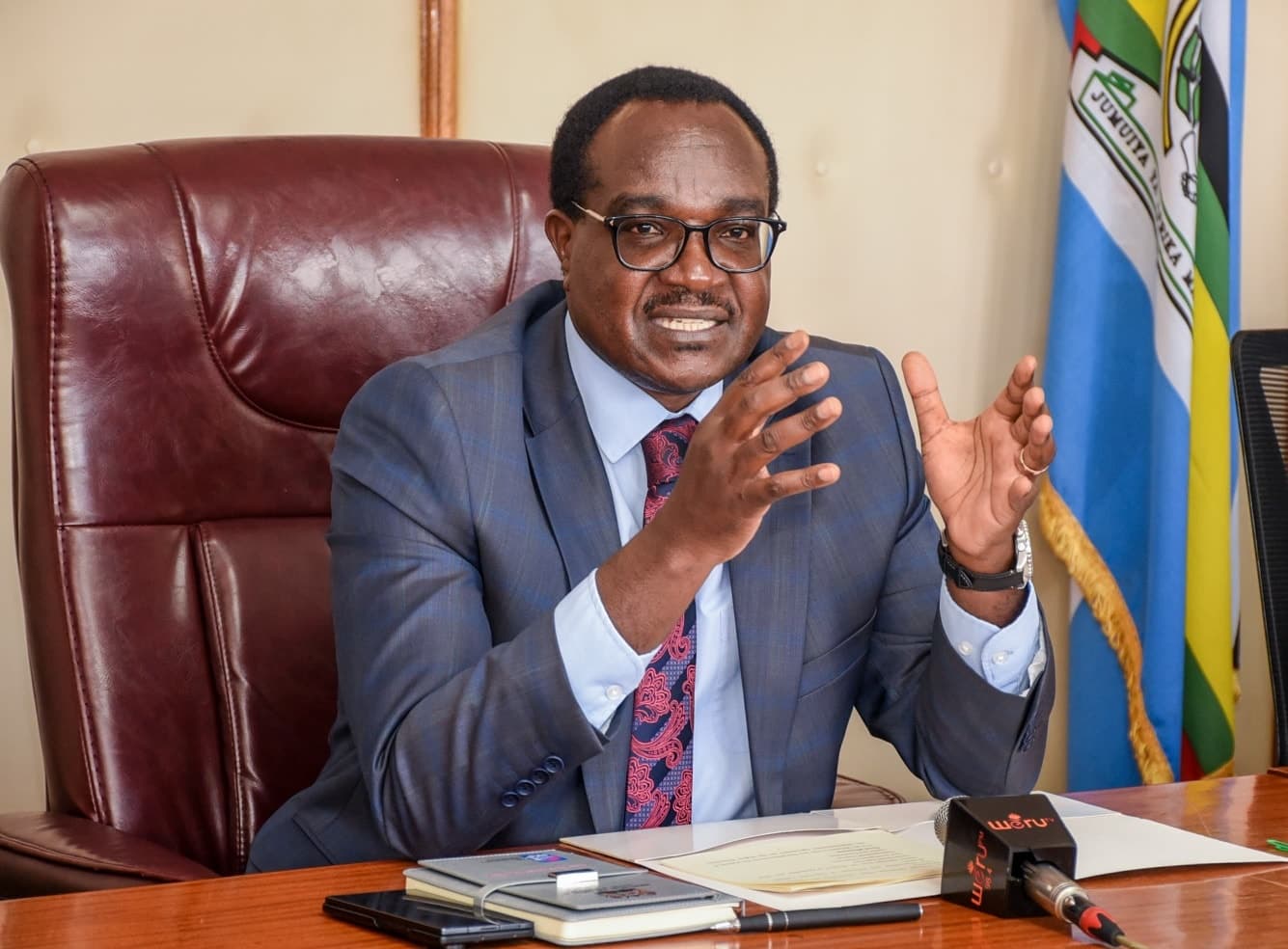
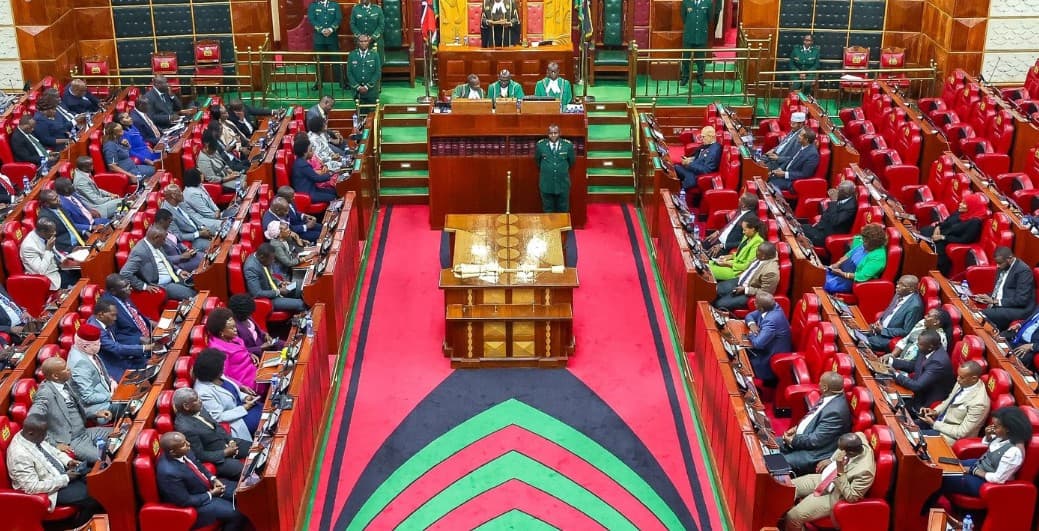
Education Cabinet Secretary Julius Ogamba has revealed that more than 330 secondary schools across Kenya failed to admit any Grade 10 learners during the recent placement exercise, while about 2,400 schools enrolled fewer than 20 students. Appearing before the Senate, Ogamba said the ministry is reviewing the exercise and will form a technical team to determine how schools with very low enrolment should be handled if the trend persists.
The CS explained that the uneven distribution of learners was largely influenced by the student-choice placement policy, which allows candidates to select schools of preference. “We had 2.4 million vacancies available, but only 1.13 million Grade Nine students. As a result, some schools admitted slightly more than usual, while others received none,” Ogamba said. He confirmed that 330 schools admitted no Grade 10 students, while 2,400 enrolled fewer than 20.
Ogamba noted that the ministry has received an exit report on the exercise and will establish a technical team to review findings and propose policy adjustments. “We want to discuss how to handle schools that consistently record low enrolment, and also consider changes for institutions that attract overwhelming demand,” he added.
ALSO READ:
https://educationnews.co.ke/zizi-afrique-rebrands-to-mizizi-elimu-afrika/
On Junior Schools, Ogamba highlighted findings from the Presidential Working Party on Education Reform, which showed that 93 per cent of submissions recommended hosting Junior Schools within primary institutions rather than secondary schools or autonomous centres. He explained that the decision was informed by psychosocial, logistical, and cost considerations, noting that younger learners would face integration challenges in secondary schools.
The CS said primary and junior schools operate under one Head of Institution and one Board of Management to ensure effective governance and smooth transition. He clarified that separate accounts reflect different capitation allocations, Sh1,420 per primary learner annually compared to Sh15,042 per junior school learner, but do not imply administrative independence.
On teacher supervision and career progression, Ogamba assured that all junior school teachers are trained graduate educators following the secondary-level Competency-Based Education curriculum. He added that career progression is guided by the 2018 Secondary School framework, with the Teachers Service Commission providing capacity-building for heads of institutions.
ALSO READ:
https://educationnews.co.ke/court-suspends-operations-of-kuppet-nakuru/
Responding to claims of misreporting the 2025 Kenya Junior School Education Assessment (KJSEA) results, Ogamba dismissed allegations of manipulation, affirming that results released by the Kenya National Examinations Council were accurate. He explained that KJSEA assesses learners’ strengths and aptitudes rather than aggregate scores, with performance levels ranging from Exceeding Expectations to Below Expectations. A Competency-Based Assessment Portal provides schools with a digital platform for reporting learner performance with standardised scoring and verification.
Ogamba reaffirmed the Ministry’s commitment to inclusive talent development frameworks, ensuring learners from all regions, including marginalised communities, can access opportunities that support both national and international progression.
By Masaki Enock
You can also follow our social media pages on Twitter: Education News KE and Facebook: Education News Newspaper for timely updates.
>>> Click here to stay up-to-date with trending regional stories
>>> Click here to read more informed opinions on the country’s education landscape


Reader Discussion (0)
Sign in to comment