








The nomination of Super Lisu Book 4 in the Text Book Centre Penmanship Awards 2026 is both a moment of celebration and an opportunity for reflection on the nature, value and limitations of literary awards in Kenya’s education space. While such recognition affirms the growing importance of children’s literature, it also raises important questions about how excellence is defined and rewarded.
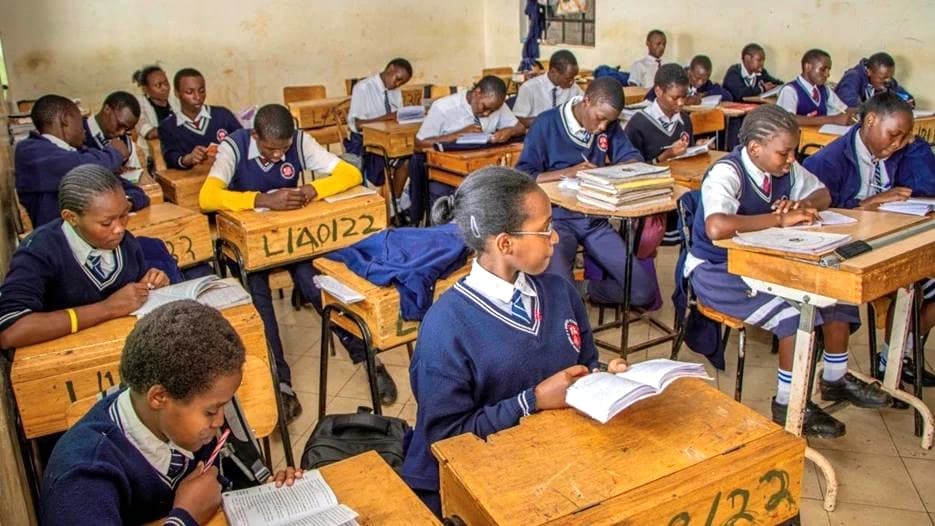
At their best, literary awards play a powerful role in shaping reading culture. In Kenya, where the Competency-Based Curriculum (CBC) emphasises literacy, creativity, and learner engagement, initiatives that spotlight children’s books are timely and necessary. Books like Super Lisu Book 4 represent more than stories; they are tools that nurture imagination, language development, and moral understanding among young readers. By bringing such works into the public eye, the awards help teachers, parents and schools identify quality reading materials.
However, beneath this positive outlook lies a structural concern: the heavy reliance on public voting. On the surface, allowing the public to vote appears democratic and inclusive. It gives readers a voice and encourages participation. Yet in practice, it often turns the competition into a test of popularity rather than merit. Books backed by strong networks – schools, publishers or influential individuals – are more likely to win, regardless of their literary depth or educational value. The call to “share with your networks” becomes less about appreciation of quality and more about mobilising numbers.
This reality creates an uneven playing field. Talented authors who may lack access to wide audiences, especially those in rural areas or from smaller publishing houses, are disadvantaged. Their work may be equally, if not more, impactful, but without visibility, it struggles to compete. In this sense, the award risks reinforcing existing inequalities in the literary ecosystem rather than discovering and elevating hidden gems.
Another critical issue is the design of the voting process itself. Requiring participants to vote across all categories before submitting their choice may discourage genuine engagement. Many voters are familiar with only a single category, such as Young Readers, and may lack the knowledge or interest to evaluate books in other sections. This can lead to arbitrary voting, where selections are made without informed judgment. Consequently, the integrity of the results may be compromised, as votes do not necessarily reflect thoughtful evaluation.
Transparency is also a key concern. For an award centred on “penmanship,” it is essential to clearly define what criteria are being used. Does the award prioritise language accuracy, creativity, cultural relevance, storytelling ability or alignment with curriculum goals? Without explicit guidelines, voters and participants are left to interpret quality subjectively. This ambiguity can weaken confidence in the award’s outcomes and limit its educational impact.
Despite these challenges, the awards do offer significant benefits. They create a sense of excitement around books, transforming reading into a communal activity. Teachers can use the nominations as conversation starters in classrooms, encouraging learners to discuss stories, characters, and themes. Parents, too, are drawn into the process, becoming more involved in their children’s reading habits. In a society where digital entertainment increasingly dominates attention, such engagement is invaluable.
Moreover, the awards highlight the importance of local content. Kenyan children need stories that reflect their realities, cultures and aspirations. When books like Super Lisu Book 4 are recognised, they validate the efforts of authors who strive to produce relevant and relatable material. This contributes to a broader movement to decolonise education and to ensure that learners see themselves in what they read.
To enhance credibility and impact, however, a more balanced approach is needed. Public voting should be complemented by expert evaluation from educators, literary critics and child development specialists. This would ensure that winning books meet both popular appeal and professional standards. Additionally, simplifying the voting process – allowing participants to vote only in categories they understand – would encourage more authentic participation.
READ ALSO: Guidance and Counselling teachers to converge in Eldoret for 5th National Forum and Excellence Awards
There is also a need to deliberately include marginalised voices. Special categories or consideration for indigenous language books, emerging authors and rural publishers could help broaden representation. This would align the awards with CBC’s inclusive spirit and ensure that no valuable perspective is overlooked.
In conclusion, the nomination of Super Lisu Book 4 is a commendable achievement that underscores the growing importance of children’s literature in Kenya. At the same time, it invites a deeper examination of how literary awards function. While the current model promotes engagement and visibility, it must evolve to prioritise fairness, transparency, and true quality. Only then can such awards fully serve their purpose – not just as competitions, but as catalysts for a stronger, more inclusive reading culture.
By Ashford Kimani
Ashford teaches English and Literature in Gatundu North Sub-county and serves as Dean of Studies.
You can also follow our social media pages on Twitter: Education News KE and Facebook: Education News Newspaper for timely updates.
>>> Click here to stay up-to-date with trending regional stories
>>> Click here to read more informed opinions on the country’s education landscape




Reader Discussion (0)
Sign in to comment