






The Commission on Administrative Justice has faulted the Teachers Service Commission (TSC) for integrating its pension unit into mainstream human resource functions, saying the merger has aggravated delays in paying teachers’ pensions and death gratuities, stretching in some cases to more than six years.
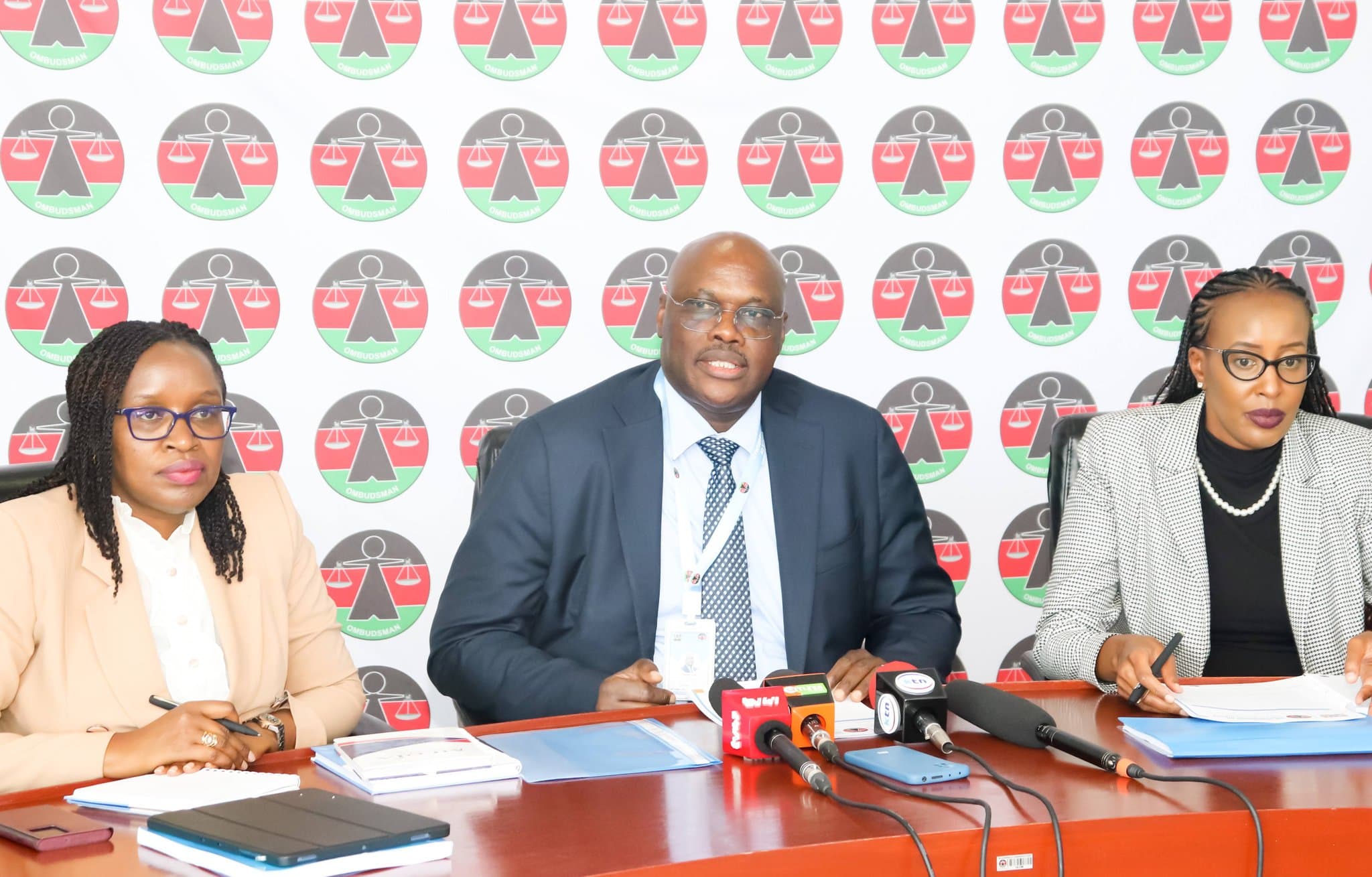
In a press release, the Ombudsman directed TSC to re‑establish a dedicated, stand‑alone pension processing unit as part of urgent corrective measures to clear backlogs and restore timely access to benefits.
Commission Chairperson Charles Dulo said the investigation found that compulsory retirement pensions were delayed between two and four years, while death gratuity claims took four to over six years, underscoring systemic failures rather than isolated errors.
He urged TSC to deploy additional staff, strengthen supervision, and accelerate digitisation across pension workflows to eliminate long‑standing bottlenecks and ensure predictable payment timelines for retirees and beneficiaries.
Although TSC linked part of the delays to incomplete or inaccurate documentation submitted by retirees or next of kin, the Ombudsman concluded these were not the primary drivers. The Commission attributed the prolonged backlogs to insufficient staffing, the merger of the pension unit with general HR functions, inadequate resources, weak supervision, and low levels of digitization, challenges compounded by overwhelming workloads placed on a limited number of officers handling high volumes of claims.
ALSO READ:
https://educationnews.co.ke/ranking-obsession-does-kcse-score-define-you/
The inquiry also flagged persistent operational failures within the Pensions Department, including frequent downtimes of the Pension Management Information System (PMIS), outdated communication methods that frustrate claimants, large backlogs of “keep‑in‑view” files awaiting action, and verification hurdles for death gratuity claims, particularly in polygamous households or where children were born out of wedlock.
These gaps have undermined transparency and predictability, fueling repeated visits to TSC offices, missing file complaints, and minimal updates on claim status.
To fix the system, the Ombudsman recommended early submission of pension claims and the immediate re‑establishment of a stand‑alone pension unit with clear accountability and adequate staffing. It further urged TSC to upgrade the Human Resource Management Information System (HRMIS) and Document Management Information System (DMIS) to full operational status, institute stronger supervision across processing stages, run annual bio‑data update campaigns to keep records current, and revise overpayment policies to prevent punitive clawbacks that exacerbate hardship.
The Commission also called for the Pensions Department to adopt a verifiable First‑In‑First‑Out payment system to restore fairness and transparency in claim handling.
The National Treasury has been urged to ensure timely allocation and disbursement of pension funds in accordance with the law, noting that financing delays can stall otherwise complete claims and prolong distress for retirees and families.
ALSO READ:
https://educationnews.co.ke/tsc-reshuffles-regional-county-directors-in-fresh-changes/
According to the Ombudsman, continued delays violate retirees’ constitutional right to social protection, with some pension and gratuity files examined pending since as early as 2014.
The findings followed a surge in public complaints both on social media and through formal submissions, detailing repeated office visits, missing files, and scant communication from TSC on claim progress.
The Commission said its recommendations aim to restore fairness, accountability, and transparency in the management of teachers’ pensions, ensuring that retirees and beneficiaries receive their lawful entitlements without years of waiting.
By Masaki Enock
You can also follow our social media pages on Twitter: Education News KE and Facebook: Education News Newspaper for timely updates.
>>> Click here to stay up-to-date with trending regional stories
>>> Click here to read more informed opinions on the country’s education landscape




Reader Discussion (0)
Sign in to comment