





The Moment Everything Changes
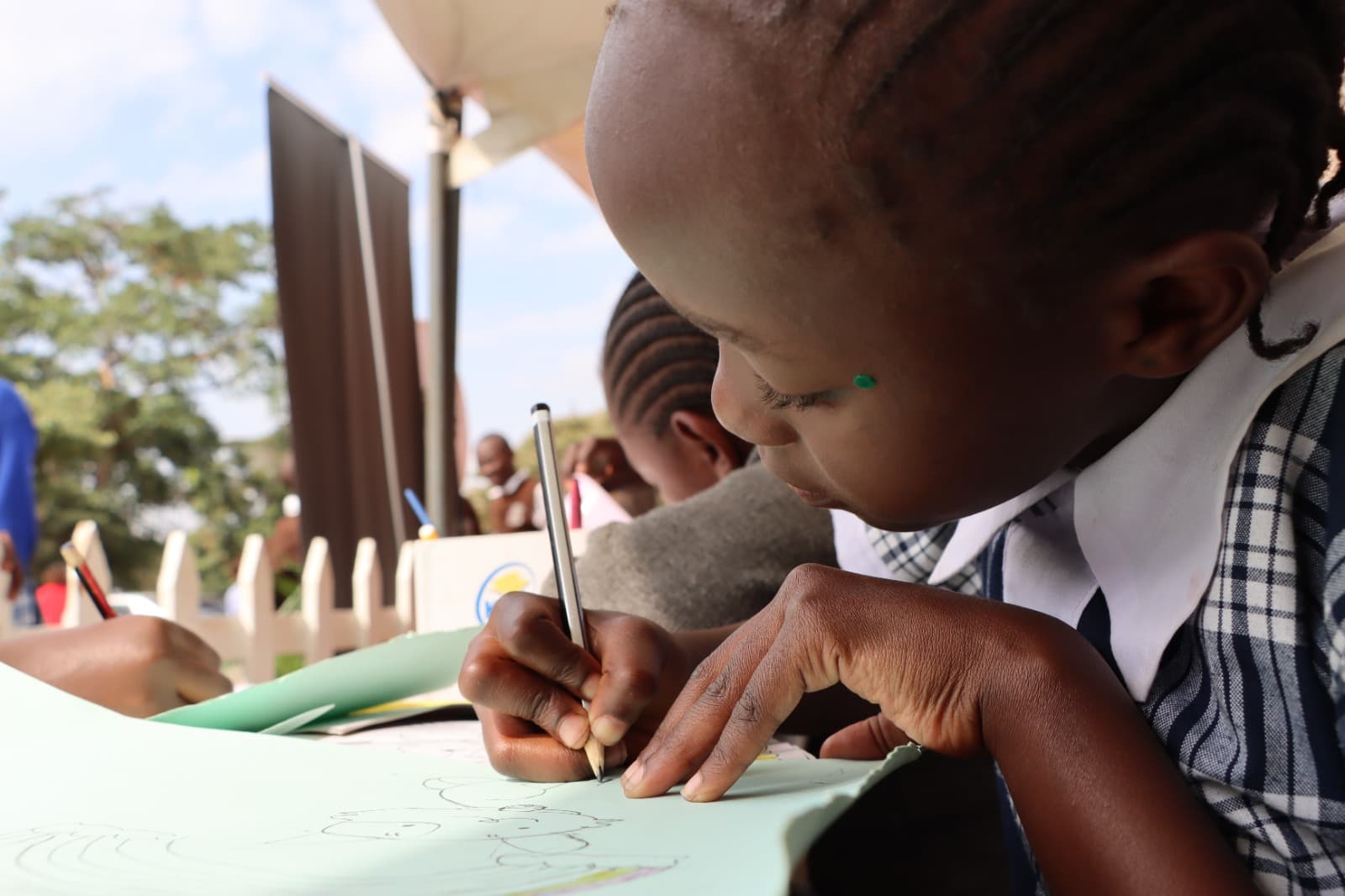
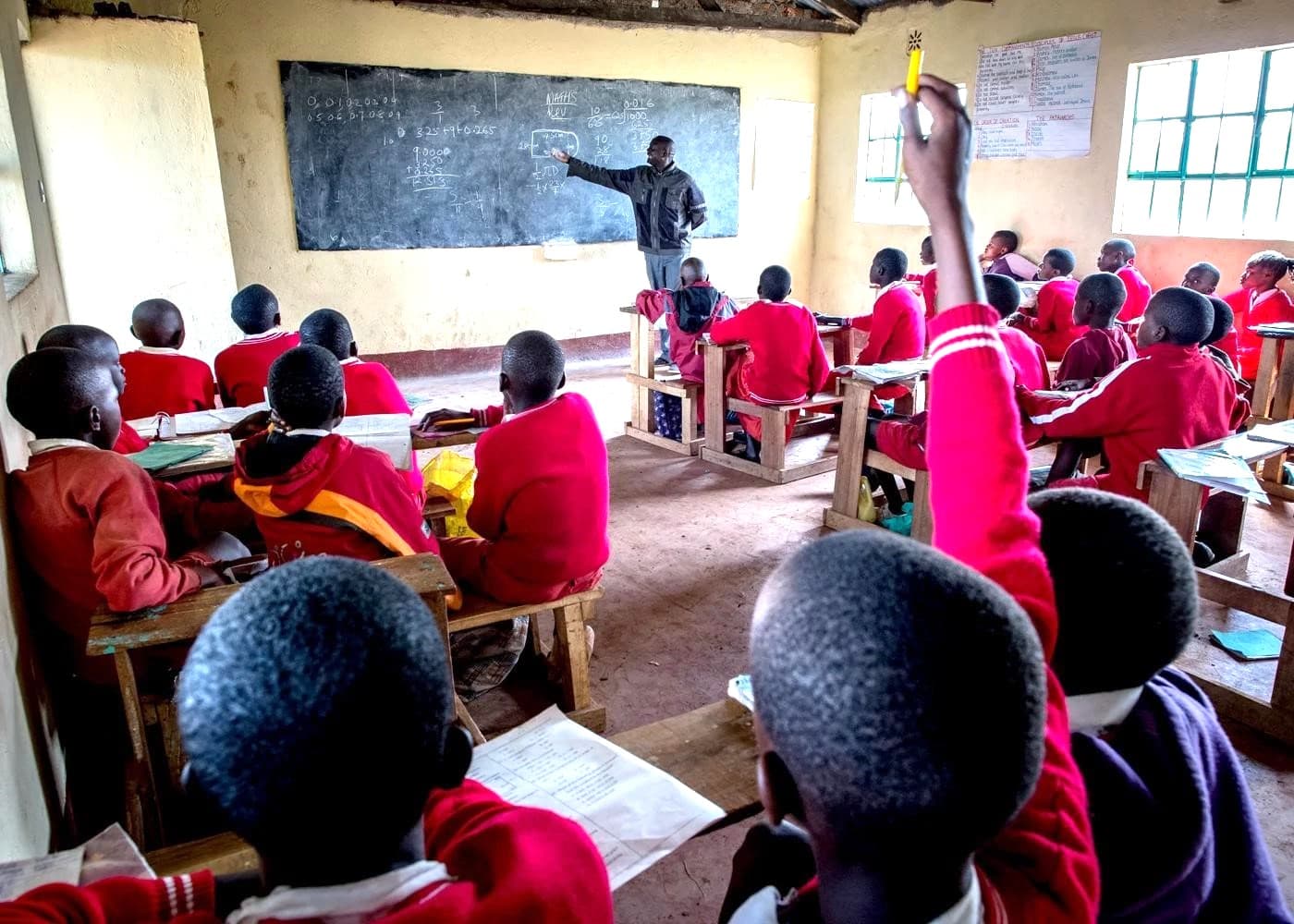
Imagine a child discovering that words unlock stories. Not someday, but today. In December 2025, in two counties across Kenya, 208 children experienced that moment for the first time. They came to learning camps unable to read a story. They left reading one. From zero to 208 in only fifteen days. This was only possible because sixty-five young teacher trainees stepped forward to lead.
Their names matter: Festus from Wote, who had been teaching Sunday school in his church on his own time. Onesmus from Kitui, who became a headteacher through informal volunteer work, proof that readiness finds possibility when given space. Mohammed from Tarbaj, who taught without a Teachers Service Commission number because the need was acute and his determination stronger than bureaucracy.
These are not future leaders waiting in the wings. They are present leaders, working now, ready to do more if we build systems to harness the power resident in young people.
The Paradox We Must Name
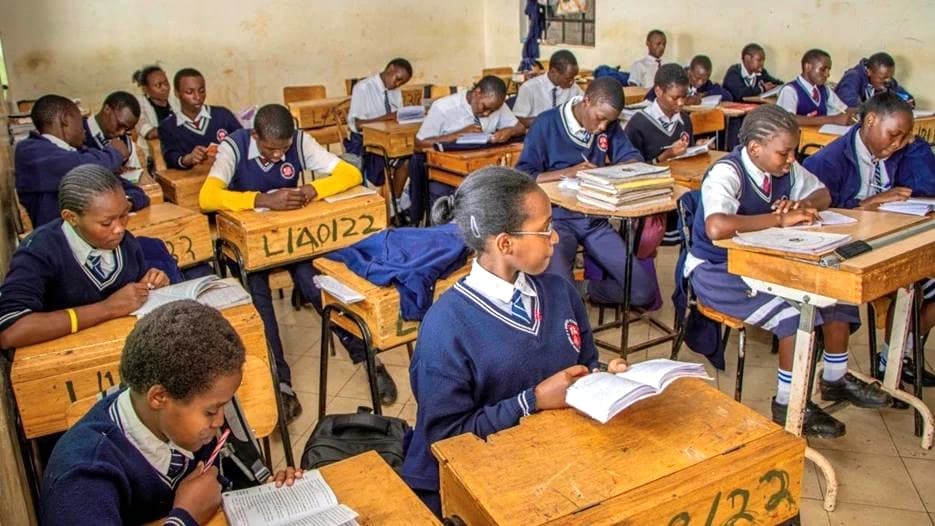
Africa is the youngest continent. Over 60 per cent of our population is under 25 years in age. Yet we face a crushing paradox: access is rising while learning is declining. Secondary completion rates have reached all-time highs in Kenya. Graduation rates climb. Children sit in classrooms in numbers never before seen, but learning outcomes remain static.
And yet 80 per cent of children across low- and middle-income countries cannot read with comprehension by age ten. In Kenya, only 37 per cent of Grade Three learners read at their level. Adolescents progress through school without acquiring the problem-solving and critical-thinking skills they need to navigate an increasingly complex world.
ALSO READ;
https://educationnews.co.ke/wilson-sossions-lunch-with-teachers-in-bomet-fuels-knut-election-speculations/
These statistics tell only half of the story. Millions of educated young Kenyans are waiting. Teacher training colleges produce thousands of graduates annually. Many wait years for formal employment. They are trained, qualified and they are ready. The system cannot absorb them immediately. Meanwhile, parents and communities see children struggling and want to help but lack the tools and coordination to do so effectively.
What if the youth who need opportunities could help the children who need learning support?
What 270 Young Teacher Trainees Told Us
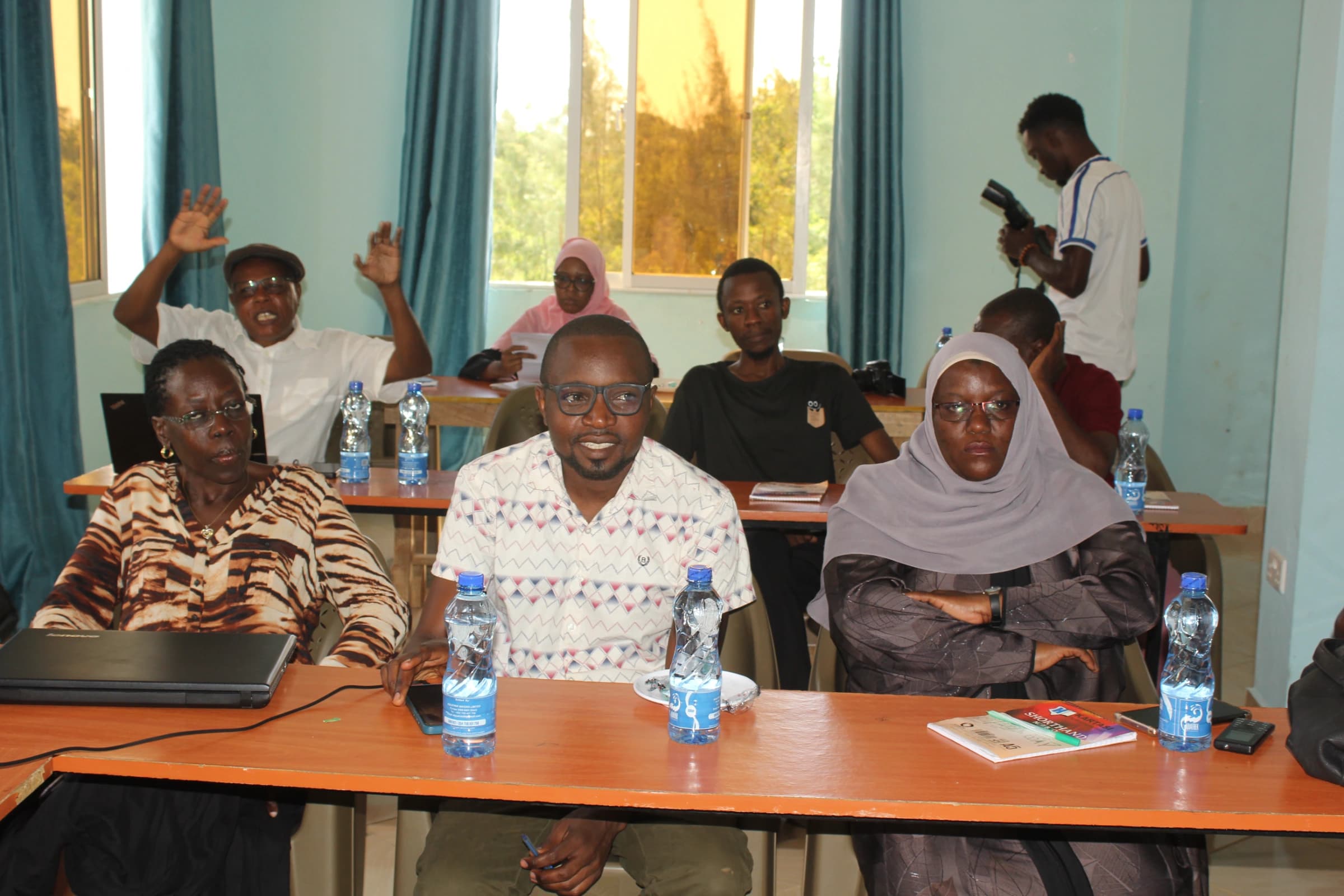
Between November and December 2025, we asked young people in two teacher training colleges a question: Are you willing to help children learn to read if we gave you training and support? The answers were unambiguous – 92per cent said yes. 89 per cent felt ready to start immediately. 91 per cent said they planned to continue volunteering after graduation. When asked what would motivate them most, 35 per cent identified training in effective teaching methods, 25 per cent career development, while 20 per cent needed personal satisfaction from making a difference. Their motivations are practical and meaningful.
But here is what reveals the real insight: when asked what blocked them from volunteering, 40 per cent answered: “no opportunities available.” Only three per cent cited lack of interest. The barrier is not locked potential waiting to be unleashed. It is invisible agency waiting to be recognized and unlocked.
We interviewed 100 young people across three teacher training colleges in Machakos, Kakamega, and Wajir. Their stories confirm what the numbers suggest. Festus teaches literacy during holidays through his church. Onesmus has already mentored dozens of children in his community. A male student in Machakos started with one child during holidays and watched the group grow to eleven through word of mouth and community interest, using only stones and sticks as teaching materials. Dickson Maithya and Dickson Munyao from Machakos, deaf students whose colleagues asked them to teach anyway, and they did.
The work happens. Recognition does not.
The Proof: What Happens When Systems Support Readiness
In mid-December, we trained 116 volunteer teacher trainees 57 (42 female, 15 male) from Eregi and 59 (49 Female, 10 Male) from Machakos) for three days in literacy assessment, level-based instruction, and learning support methods. Then they facilitated intensive 15-day learning camps during school holidays, reaching 794 children in Grades 3, 4, and 5.
The results are concrete. Before the camps, 355 children (45%) assessed at the Beginner literacy level. After 15 days, this number dropped to 163 (21%). The Beginner Level population was cut by 54 per cent. Most remarkably, 208 children reached story-reading proficiency—up from Beginner at baseline. Children who could not read stories at the start of the camps could read them at the end.
ALSO READ;
https://educationnews.co.ke/ngara-girls-high-school-dismisses-social-media-claims-on-enrolment-student-welfare/
Both counties achieved measurable gains. Gender made no difference; female learners improved at nearly identical rates to male learners. Even Grade 5 children who started at the Beginner Level showed improvement, challenging assumptions that older struggling readers cannot be helped. Children attended an average of 11.6 days out of 15 (77% attendance) despite voluntary participation during holidays. 180 children attended all the 15 days.
The conclusion is inescapable: teacher trainees trained for three days can facilitate measurable literacy improvements. Intensive fifteen-day interventions produce substantial outcomes. Level-based instruction works when delivered by trained volunteers. Youth readiness and agency translates to foundational learning outcomes.
Each volunteer reached approximately twelve children on average. Each volunteer helped approximately three children transition from non-reading to reading proficiency. If sixty-five volunteers achieved this in two counties, what could 2,000 volunteers achieve nationally?
What We Ask
To ministries of education, including across the region: Move beyond symbolic youth engagement and embed youth agency within policy and delivery frameworks. Recognize community-based learning roles and establish youth volunteership as a national program. Create flexible participation pathways. Ensure quality and safeguarding mechanisms accompany youth contributions. The infrastructure you need already exists. Teacher training colleges operate in over thirty locations across Kenya, enrolling thousands of trainees annually. These institutions maintain facilities, administrative systems, and club structures ready for extension, not creation from scratch.
To education organizations and development partners: Shift from participation rhetoric to co-creation practice. Invest in youth capacity. Trust young people with meaningful responsibility. Hold all actors accountable for learning outcomes. The Kenya Red Cross Society demonstrates what is possible: 350,000 active volunteers across all 47 counties, sustained through systematic training, tangible recognition, progressive pathways, and diversified funding. These same ingredients can mobilize teacher trainees for foundational learning support.
To young people: Agency comes with responsibility. Evidence from these camps shows that youth leadership in learning is most impactful when grounded in discipline, continuous learning, and commitment to improved outcomes for children. You are not waiting for tomorrow. You are leading today.
By Amos Kaburu and Walter Odondi
Walter Odondi is the coordinator partnerships and engagement at Zizi Afrique Foundation
Amos Kaburu Chief Consul, The Opticum
You can also follow our social media pages on Twitter: Education News KE and Facebook: Education News Newspaper for timely updates.
>>> Click here to stay up-to-date with trending regional stories
>>> Click here to read more informed opinions on the country’s education landscape
Reader Discussion (0)
Sign in to comment