





It begins the way most Kenyan rumours begin: whispers in crowded matatus, a suspiciously long WhatsApp message forwarded to fifty groups, and a confident ‘expert’ whose medical qualifications start and end with the phrase ‘Nimeskia mahali…’ From Kibra to Kericho, from Gikomba to Githurai, a peculiar story has soaked into the national conversation: that most people who took the COVID-19 vaccine are slowly dying, one by one. It is dramatic. It isn’t very comforting. It is strangely addictive. And it is utterly untrue.
During the pandemic, fear spread faster than the virus itself. Kenyans were forced to process daily case numbers, lockdown announcements, curfews and travel restrictions. In that environment, misinformation found fertile ground. A handful of loud voices with massive social media followings began brewing conspiracy theories. Political speculation mixed with religious warnings. Then came the familiar narrative: that the jab was a secret death sentence, that people would begin ‘dropping dead’ after a few years and that Africa had been turned into a testing ground. The story caught fire; not because it was factual, but because it was deliciously dramatic.
Yet four years later, Kenya is still standing, alive and noisy as ever. People are hustling, raising families, doing chang’aa raids, complaining about unga prices, going to weddings and preparing for the next Mashujaa Day. If the COVID jab were a slow poison, we would not have a functioning nation today. Science, whether we like it or not, is stubborn. And the truth it has insisted on, without apology, is that the vaccines saved lives, not ended them.
If the vaccine were killing people gradually, Kenya would have seen a massive statistical spike in unexplained deaths. Hospitals would be overwhelmed, funeral homes would be recording unusual trends and counties with high vaccination rates would have alarming mortality numbers. None of this has happened. The data is consistent. People continue to die of what they have always died from: heart disease, untreated high blood pressure, diabetes, cancer, accidents and old age. But misinformation has created a dangerous reflex: blaming every death on the vaccine simply because the person received it at some point in their life.
That habit is not harmless. It is quietly damaging Kenya in ways many have not noticed. Some people now ignore legitimate medical symptoms, dismissing them with ‘Ni vaccine inanilemea.’ A man with dangerously high blood pressure avoids the clinic, convinced that the jab is the cause of his headaches. A woman with diabetes blames her numbness on the vaccine instead of seeking treatment. These delays worsen conditions that could have been managed early.
Worse still, the rumours have eroded trust in future public health campaigns. When the Ministry of Health issues alerts or preventive advice, many Kenyans hesitate; not because of credible science, but because a viral video once convinced them that vaccines are a long-term death trap. The damage extends to families. Someone falls sick, naturally, as humans do, but relatives whisper that the vaccine is ‘finally catching up.’ Shame, fear and confusion enter homes where support and clarity should live. All this while fake detox products, opportunistic pastors and sensational YouTubers profit from panic. Fear has become a business model, and Kenyans are the customers.
Why, then, do such rumours thrive? Because the lie is emotionally satisfying. It offers a simple explanation for complex events. It creates a villain, the vaccine, and casts the believer as the wise survivor. It also transfers control: instead of accepting that life is unpredictable and illness is part of the human journey, misinformation gives people a story with clear heroes and enemies. It is the digital version of village gossip, only faster, louder and far more harmful.
READ ALSO:
https://educationnews.co.ke/knec-to-roll-out-senior-school-assessment-hubs-to-modernize-learning/
But the facts remain unshaken. Kenya’s Ministry of Health, hospitals across the country, mortuaries and national statistics have shown no unusual patterns of death linked to COVID vaccines. If anything, the nightmare unfolded in reverse: during the pandemic waves, unvaccinated people died in far higher numbers. That is the truth history will remember, whether misinformation likes it or not.
The real danger Kenya faces today is not the vaccine. The real threat is scientific illiteracy: a society that struggles to differentiate between evidence and emotional storytelling. A population that distrusts science becomes vulnerable to manipulation in every sector: political, economic, spiritual and medical. Once trust in verified health information collapses, anything can be believed, and anyone can become a victim of fear.
This is why every Kenyan must develop the habit of questioning dramatic claims. When a message sounds like a blockbuster movie script, it is probably fiction. We must listen to doctors, not influencers whose confidence is louder than their credentials. We must choose facts over fear and verification over forwarding. And more importantly, we must understand that normal deaths are just that: normal. Life has always had an end, long before vaccines existed.
Kenya has survived colonial rule, famines, epidemics, political storms, economic downturns and countless national challenges. It will not be brought down by a vaccine that saved millions across the world. But we can be weakened by believing lies that feel good but harm us deeply. Misinformation is its own silent epidemic; one that kills trust, clouds judgment and leaves a nation stumbling in the dark.
It is time for Kenya to rise above panic-driven narratives and choose truth, not fear; knowledge, not rumour; science, not speculation. When lies spread faster than facts, truth becomes a casualty. And a misinformed nation is a vulnerable nation.
Let Kenya choose truth.
Let Kenya choose life.
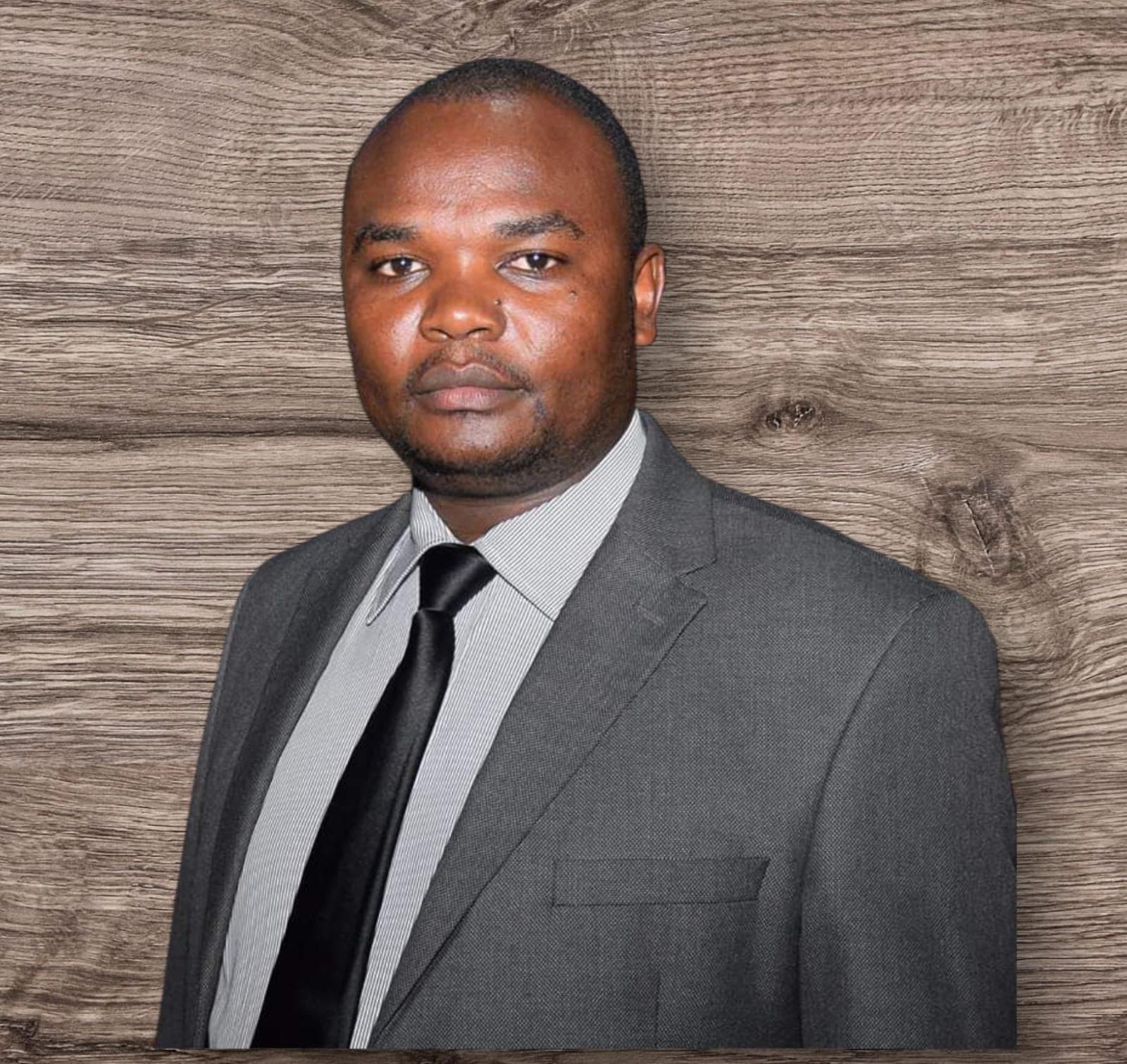
By Angel Raphael
Raphael is a Kenyan author and educator whose voice cuts through misinformation with clarity, creativity and fearless truth-telling.
You can also follow our social media pages on Twitter: Education News KE and Facebook: Education News Newspaper for timely updates.
>>> Click here to stay up-to-date with trending regional stories
>>> Click here to read more informed opinions on the country’s education landscape



Reader Discussion (0)
Sign in to comment