


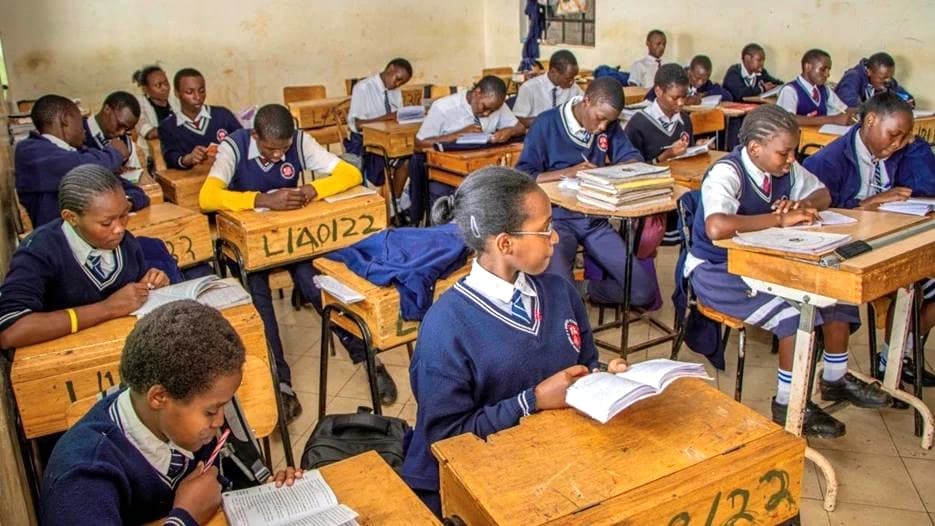

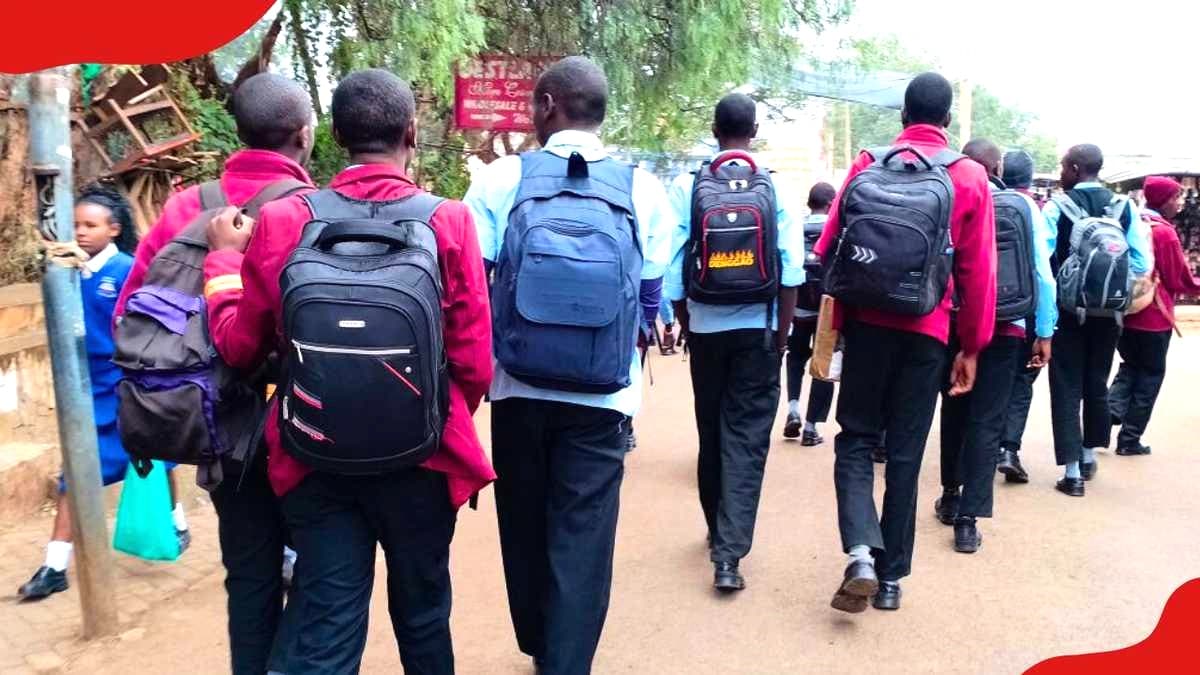

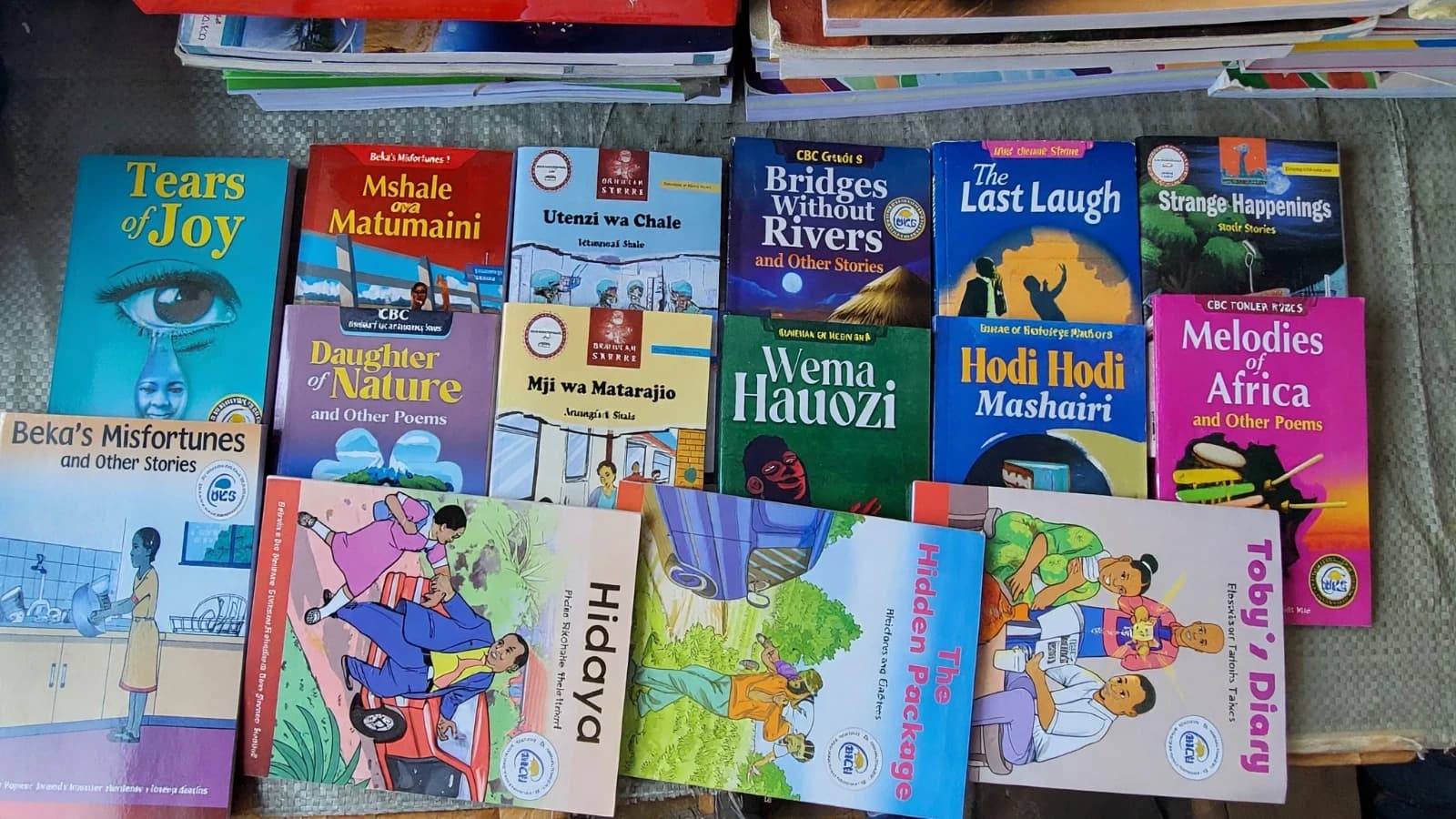
The unveiling of the Grade 10 Senior School set books signals a deliberate and refreshing shift in how Kenya intends to shape the learners’ intellectual and moral imagination of the next generation.
The Kenya Institute of Curriculum Development (KICD) has curated a rich and deliberate blend of English Literature and Kiswahili Fasihi texts across genres—plays, novels, autobiography, biography, short stories, poetry, oral literature, tamthilia, riwaya, tawasifu, hadithi fupi, diwani ya mashairi, and fasihi simulizi. This is not merely a reading list. It is a philosophical statement about the kind of citizen the Competency-Based Education system hopes to nurture: reflective, expressive, culturally grounded, and globally aware.
The inclusion of the play in English and tamthilia in Kiswahili introduces learners to the dramatic form, a genre that thrives on dialogue, conflict, and performance. Drama sharpens critical thinking because students must interpret character motivation, subtext, and stagecraft. When a Grade 10 learner studies a play from Kenya, then progresses to African and global plays in subsequent years, they are subtly guided from local consciousness to continental and global awareness. They begin by understanding their immediate social realities before engaging broader human struggles. This progression fosters empathy and comparative thinking—skills essential for leadership and innovation in a connected world.
The novel and riwaya remain central pillars in shaping deep reading culture. Long-form fiction trains learners in patience, sustained attention, and complex analysis. In a digital era defined by shrinking attention spans, the discipline of following intricate plots and character arcs over hundreds of pages is itself transformative. Novels cultivate imagination and moral reasoning; they invite learners to inhabit lives unlike their own. When Kenyan students read stories rooted in their communities and then expand to African and world narratives, they grow into citizens who can appreciate diversity without losing their identity. That balance between rootedness and openness is critical for the next generation navigating globalization.
ALSO READ:
https://educationnews.co.ke/butere-bursaries/
Short stories and hadithi fupi, on the other hand, offer intensity and precision. These forms sharpen analytical skills because every word matters. A collection drawn from Kenya, Africa, and the world over three years ensures breadth of exposure. Learners encounter varied styles, themes, and cultural perspectives within manageable texts. This diversity builds adaptability in interpretation and strengthens writing skills. Students subconsciously absorb narrative techniques, symbolism, and stylistic devices, improving their own creative expression.
Poetry, through anthologies, diwani ya mashairi, and poetry textbooks, nurtures sensitivity to language. Poetry teaches economy of words, rhythm, imagery, and emotional depth. In Kiswahili, the study of ushairi connects learners to a rich poetic heritage that predates colonial influence. It affirms African aesthetics and intellectual traditions. In English, poetry from different regions introduces learners to universal themes—love, loss, justice, resistance—while modeling linguistic creativity. Poetry cultivates emotional intelligence; it trains students to read between the lines and to articulate feelings with nuance. Such skills are indispensable in a society that urgently needs empathetic communication and conflict resolution.
Autobiography and biography occupy a unique space in this menu. A single set text studied across three years allows learners to form a sustained relationship with a real-life narrative. Through autobiography, students explore identity formation, resilience, and personal growth. They see how individuals confront adversity and shape their destinies. Biography broadens this lens, showing how historical and contemporary figures influence society. These genres inspire aspiration. For young Kenyans in senior school—standing at the threshold of career and civic choices—real-life stories can be catalytic. They humanize success and demystify greatness, reinforcing the idea that ordinary beginnings can yield extraordinary outcomes.
Oral literature and fasihi simulizi anchor the curriculum in indigenous knowledge systems. For generations, African societies transmitted wisdom through folktales, proverbs, riddles, and songs. Formal recognition of oral literature validates these traditions within academic spaces. It tells learners that their grandmother’s story and their community’s proverb are worthy of scholarly attention. This inclusion strengthens cultural pride and intergenerational continuity. It also enhances public speaking, performance skills, and memory—competencies aligned with the goals of CBE.
ALSO READ:
https://educationnews.co.ke/maseno-school-staff-honoured/
Tawasifu, often focusing on praise poetry or descriptive narratives about notable figures, further reinforces identity and value formation. By studying such texts, learners engage with models of virtue, heroism, and social contribution embedded in African literary traditions. They are encouraged to reflect on what qualities deserve admiration in contemporary society. In an age saturated with celebrity culture, such reflection is necessary to recalibrate societal values.
The structured progression across Grades 10, 11, and 12—moving from Kenyan to African to global contexts in English genres—mirrors a widening circle of awareness. It ensures that learners first understand their own environment before stepping outward. This sequencing guards against alienation while fostering cosmopolitan competence. Students are not merely consumers of foreign narratives; they are interpreters who can situate themselves within global discourse.
Beyond content knowledge, this rich menu will profoundly impact competencies. Literary study enhances communication skills—reading critically, writing coherently, speaking persuasively, and listening empathetically. It strengthens analytical reasoning through thematic analysis and interpretation. It cultivates creativity as learners experiment with their own poems, stories, and dramatic sketches. It builds collaboration when texts are discussed, dramatized, or debated in groups. These are transferable skills essential for careers in law, media, entrepreneurship, public service, and beyond.
Moreover, literature and fasihi shape moral imagination. They present ethical dilemmas without prescribing simplistic answers. Learners wrestle with justice, betrayal, loyalty, power, gender, and identity. Through such engagement, they develop ethical reasoning. A generation exposed to diverse narratives is less likely to succumb to intolerance, extremism, or narrow thinking.
In embracing this diverse literary menu, senior school education is affirming that language and story are not peripheral subjects but foundational tools for nation-building. The next generation will inherit complex social, economic, and environmental challenges. Technical expertise alone will not suffice. They will need empathy, cultural literacy, persuasive communication, and critical consciousness. Through plays, novels, poetry, oral narratives and life stories, they will not only study literature; they will learn to read the world more wisely and to write a better future for Kenya and beyond.
By Ashford Kimani
Ashford teaches English and Literature in Gatundu North Sub-county and serves as Dean of Studies.
You can also follow our social media pages on Twitter: Education News KE and Facebook: Education News Newspaper for timely updates.
>>> Click here to stay up-to-date with trending regional stories
>>> Click here to read more informed opinions on the country’s education landscape

Reader Discussion (0)
Sign in to comment