
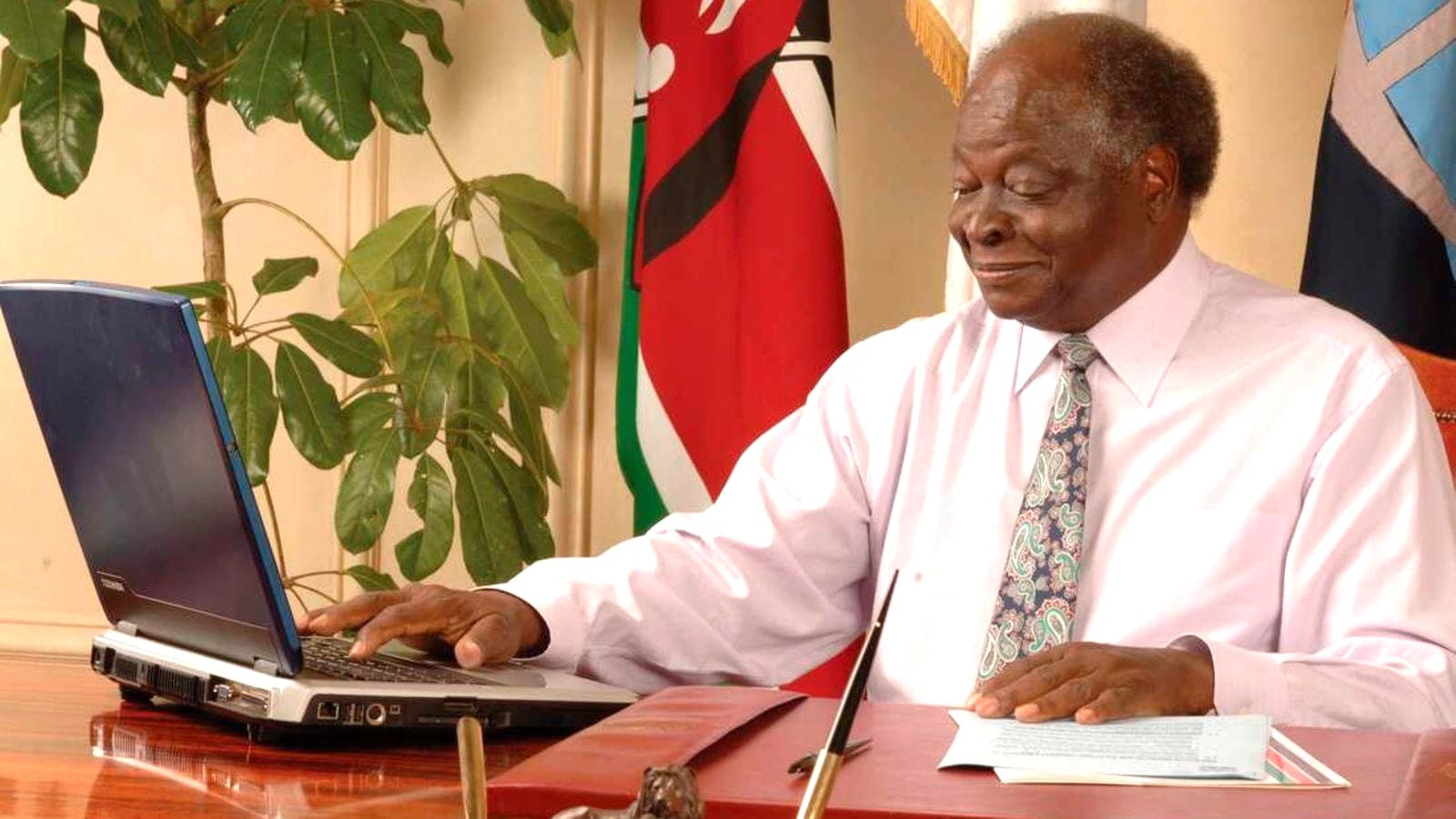

The late Mwai Kibaki is remembered fondly for many things. Among his enduring legacy, Kenyans remember January 2002 when the NARC administration implemented free primary education. 24 years down the line, the government continues to grapple with the realities of enforcing this policy. However, one man had demystified it. His name is Hon. Ndidi Nyoro, member of parliament for Kiharu Constituency in Murang’a county. He has set the bar.
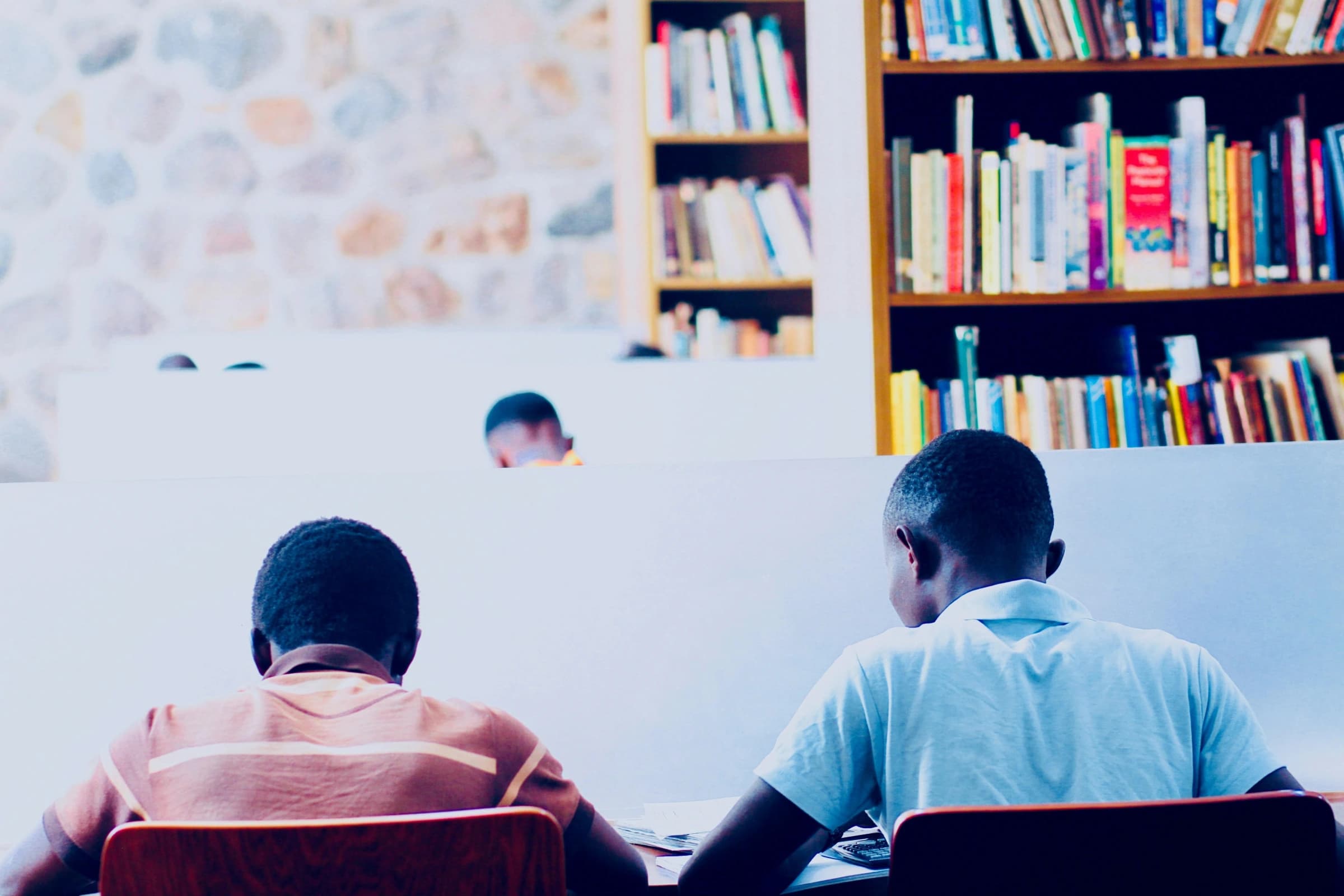
The story of Hon. Ndindi Nyoro’s Masomo Bora Programme in Kiharu Constituency continues to captivate many Kenyans, and for good reason. Launched in its significantly expanded 2026 edition on January 13 at Maragi Primary School Grounds, this initiative stands as a bold, practical response to the persistent challenges plaguing public secondary education across the country. While national capitation funds remain inadequate, delayed, or insufficient to cover rising operational costs, leading to crippling debts for schools and financial strain on parents, Kiharu offers a refreshing alternative. Through strategic use of the National Government Constituency Development Fund (NG-CDF), partnerships, and unwavering commitment to learners, Nyoro has created a model that slashes barriers to education, combats classroom hunger, and invests in quality outcomes.
ALSO READ:
https://educationnews.co.ke/eala-mp-shahbal-calls-for-revival-of-free-education-to-benefit-all-learners/
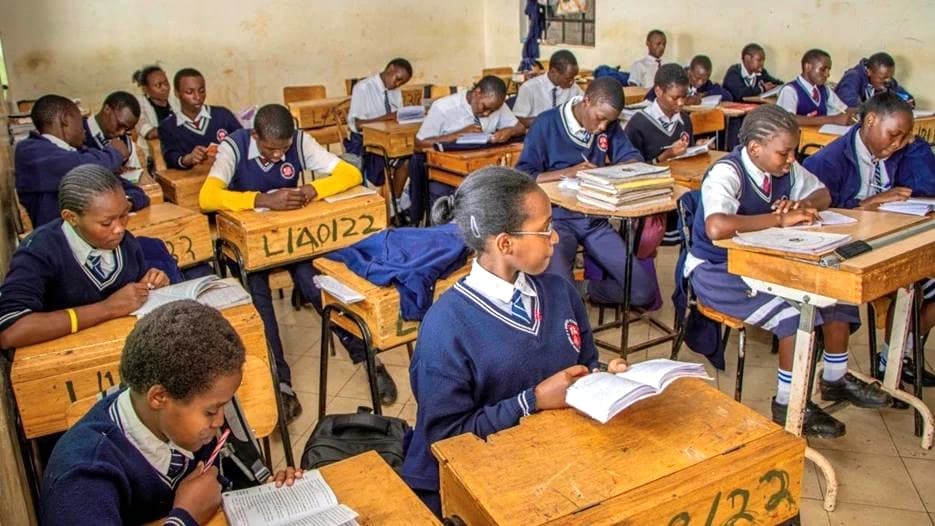
At its core, the 2026 Masomo Bora Programme now covers all 65 public day secondary schools in Kiharu, directly benefiting over 12,000 learners in Grade 10 through Form Four. Parents are required to pay only KSh 500 per term, a further reduction from the KSh 1,000 cap in previous phases. This ultra-low fee structure takes effect immediately from Term One of 2026 and applies universally – no hidden registration fees, no arbitrary levies, and remedial tuition strictly capped at KSh 1,000 per term. The programme’s inclusivity is notable: it extends to every student enrolled in these schools, regardless of their county of origin, ensuring that children living with relatives or guardians in Kiharu can access the benefits without discrimination.
One of the most transformative elements is the comprehensive school feeding programme. Every learner receives lunch on all school days, including Saturdays, addressing the silent crisis of hunger that undermines concentration and attendance. The menu is thoughtfully balanced – githeri three days a week, rice three days, uji during tea breaks, and chapati for lunch on the last Friday of every month. This not only nourishes growing bodies but also signals a deeper understanding that education cannot thrive on empty stomachs. By tackling nutrition head-on, Masomo Bora improves retention rates and academic performance in ways that abstract policy pronouncements rarely achieve.
Beyond fees and meals, the programme pours substantial resources into infrastructure and academic support. Over KSh 50 million has been allocated for additional facilities, with a strong emphasis on laboratories and computer labs to equip students for a modern, science-driven world. This builds on prior investments that have already drawn benchmarking visits from more than 14 MPs from other constituencies. In the current financial year, KSh 10 million goes toward revision materials, supplementing KSh 20 million provided in earlier years. Schools also receive an extra KSh 50,000 each to boost co-curricular activities – sports, music, drama, and more – recognizing that holistic development extends beyond the classroom. Free uniforms are provided for Grade 10 students in 20 low-enrollment or newly established schools, removing yet another financial hurdle at the entry point.
To foster excellence and accountability, incentives abound. Prize-giving ceremonies in the two sub-counties (Murang’a East and Kahuro) are fully funded at KSh 900,000 total. Top-performing or most-improved principals from each of the six wards earn fully paid trips to Dubai (or Malaysia for repeat travelers), while best-improved subject teachers head to Mombasa. These rewards motivate leadership and teaching staff, creating a culture of continuous improvement. Additionally, the programme covers insurance premiums and maintenance for school buses, treating them as shared public utilities essential for safe student transport.
ALSO READ:
https://educationnews.co.ke/icpc-urges-swift-enactment-of-basic-education-bursaries-and-scholarships-bill-to-end-politicised-funding/
Nyoro has not shied away from critiquing the broader system. He has publicly highlighted how inadequate national funding – sometimes as low as KSh 109 per learner for an entire term – forces schools into debt and parents into desperation. His repeated calls for a consolidated education fund, potentially drawing Sh10 billion each from NG-CDF, county governments, and the national budget to create a Sh30 billion pool for truly free basic education plus nationwide feeding, underscore his belief that Kenya has the resources to make this possible if priorities shift. The Kiharu model demonstrates that focused, transparent allocation of constituency resources can deliver tangible change without waiting for top-down reforms.
What makes this story so persistent in public consciousness is its simplicity and replicability. If a constituency like Kiharu, with its mix of rural and semi-urban challenges, can achieve this level of support for thousands of learners, why not elsewhere? The programme has already inspired copycat efforts in other areas and drawn admiration, even as some critics question sustainability or funding sources. Yet the results – lower dropout risks, better nutrition, enhanced facilities, and motivated educators – speak louder than skepticism. In an era where education costs often push families to the brink, Masomo Bora reminds us that leadership rooted in equity, innovation, and results can rewrite the narrative for ordinary Kenyans.
This initiative is more than a local success; it is a challenge to the nation. It proves that when resources are directed purposefully toward learners’ needs, education becomes a genuine equalizer rather than a privilege. As debates rage about national policy, Kiharu’s example stands firm: transformative change is possible, and it starts with prioritizing the child in the classroom. The story refuses to fade because it represents hope – hope that Kenya can, and should, do better for its young people.
By Ashford Kimani
You can also follow our social media pages on Twitter: Education News KE and Facebook: Education News Newspaper for timely updates.
>>> Click here to stay up-to-date with trending regional stories
>>> Click here to read more informed opinions on the country’s education landscape
Reader Discussion (0)
Sign in to comment