




Members of Parliament have stepped up scrutiny of Technical and Vocational Education and Training (TVET) institutions, warning that mismanagement of funds and inequitable staffing will no longer be tolerated.
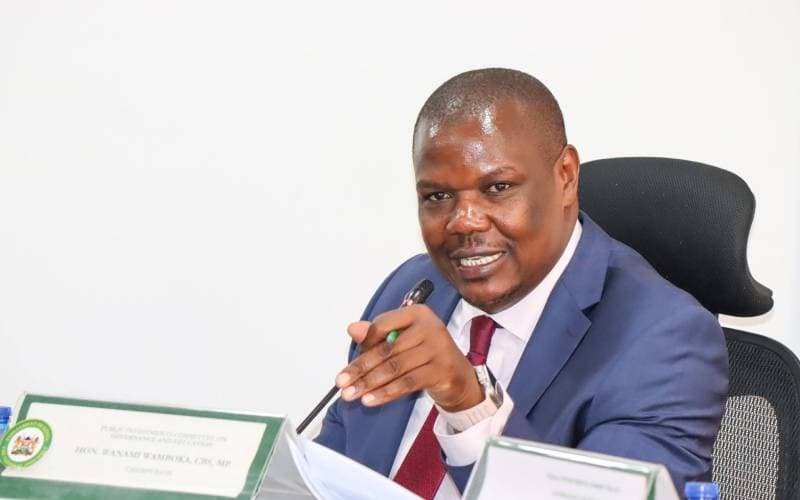
During a review of audit reports, the National Assembly Public Investments Committee on Governance and Education, chaired by Wanami Wamboka, stressed that public money must be used responsibly and that hiring practices must reflect inclusivity.
At Siaya National Polytechnic, legislators expressed alarm after discovering that 89 percent of staff came from a single community. The Principal defended the imbalance, citing a lack of qualified candidates from other regions, but MPs rejected the explanation, insisting that every community has competent professionals. The institution was ordered to provide a detailed record of hires under the Principal, while its Human Resource department was faulted for failing to establish a structured recruitment framework.
ALSO READ:
https://educationnews.co.ke/mp-kemei-commissions-new-education-projects-in-kipkelion-east-to-boost-learning/
Similar concerns were raised at Chevaywa Technical Training Institute, where 72 percent of employees hail from one ethnic group. Legislators reminded the management of its constitutional duty to ensure inclusivity. At Ngeria Technical Training Institute, where 84 percent of staff belong to a single community, MPs directed the administration to review hiring practices, strengthen financial reporting, and safeguard institutional assets. The Committee also faulted the institute for failing to provide mandatory work injury benefits, in breach of Public Finance Management regulations.
The Committee imposed a fine of Sh500,000 on North Eastern Technical and Vocational College for failing to submit audit evidence for three consecutive years. Invoking Standing Order 191A, MPs summoned the institution to reappear within two weeks, reinforcing their stance that accountability cannot be delayed.
At Mandera Technical Training Institute, legislators advised management to enhance governance structures and maintain proper documentation. They encouraged the college to explore income-generating projects, introduce market-relevant courses, and forge partnerships to boost student numbers and revenue.
Lagdera Technical Training Institute, with only 28 students, was directed to adopt a risk management policy, reduce cash-based transactions, and develop innovative strategies to attract enrolment. The Ministry of Education is currently evaluating the institution’s growth prospects.
ALSO READ:
https://educationnews.co.ke/wilson-sossion-officially-declares-bid-for-knut-secretary-general-in-2026-elections/
At Eldas Technical and Vocational College, which has just 21 students and two staff members, MPs described the staffing ratio as unsustainable and called for urgent government intervention.
Meanwhile, Turbo Technical and Vocational College was given three months to address gaps in human resource policies, regularise records for donated vehicles, and clarify land ownership. The Auditor-General was tasked with confirming whether public funds were tied to disputed property.
Concluding the session, the Committee emphasized that compliance with audit recommendations is mandatory.
By Masaki Enock
You can also follow our social media pages on Twitter: Education News KE and Facebook: Education News Newspaper for timely updates.
>>> Click here to stay up-to-date with trending regional stories
>>> Click here to read more informed opinions on the country’s education landscape
Reader Discussion (0)
Sign in to comment