






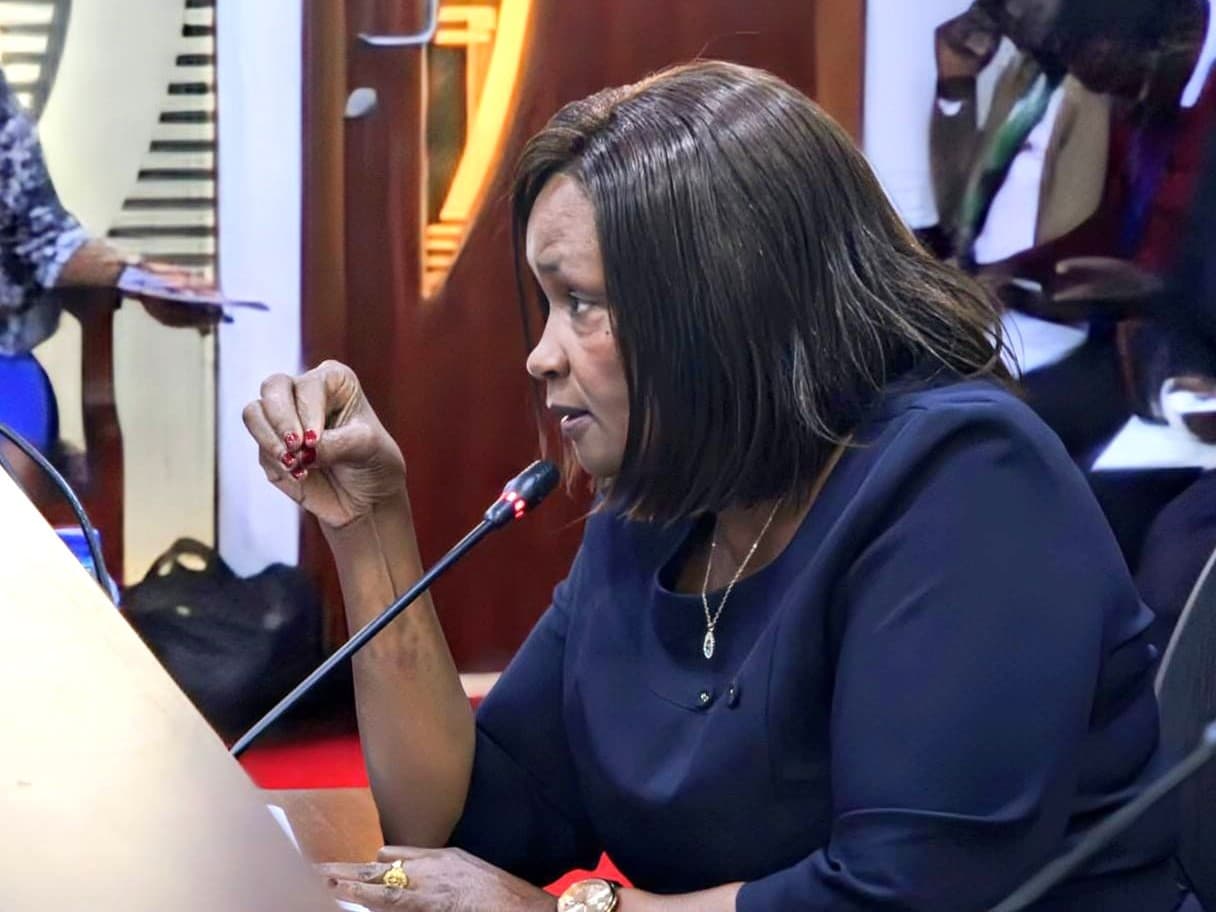
Dagoretti North Member of Parliament Beatrice Elachi has cautioned against proposals to grant administrative autonomy to Junior Secondary Schools (JSS), warning that the move could destabilize Kenya’s education system.
Speaking during ongoing discussions on reforms, Elachi urged the Teachers Service Commission (TSC) to reconsider plans to separate junior schools from the broader primary structure.
She argued that teachers across all levels, from Grades 1 to 9, hold equal professional value and should continue working in parallel rather than being split into distinct cadres.
The legislator emphasized that junior school teachers should be encouraged to handle classes across Grades 1–6 as part of a holistic approach. According to her, creating a separate administrative tier for junior tutors risks inefficiencies, confusion, and unnecessary burdens for both teachers and education managers.
ALSO READ:
https://educationnews.co.ke/friends-school-kaimosi-girls-wins-appeal-as-high-court-dismisses-ksh-845378-supply-claim/
Her remarks come amid heated debate in the education sector over whether JSS should be recognized as autonomous institutions. Teacher unions and many junior school educators have been pushing for independence, citing professional identity, career progression, and resource allocation as reasons for autonomy. Proponents argue that self-governance could strengthen the rollout of the Competency-Based Curriculum (CBC) at the junior level.
Critics, however, including Elachi, fear that separating junior schools from primary schools could fragment the teaching profession and lead to uneven implementation across counties. “All teachers are equal and should operate as parallel professionals within the system,” she said.
Parliament has recently seen proposals to establish independent administrative structures for junior schools, including the appointment of substantive principals and deputy principals. Supporters believe such reforms would bring clarity and specialized oversight to the unique needs of Grades 7–9.
ALSO READ:
https://educationnews.co.ke/jooust-announces-part-time-tvet-trainer/
Yet divisions remain. While some lawmakers and unions back autonomy as a solution to leadership challenges, others caution that structural changes must be carefully weighed to avoid disruptions in teaching and learning. The TSC is expected to continue reviewing governance options as the debate intensifies.
By Kimwele Mutuku
You can also follow our social media pages on Twitter: Education News KE and Facebook: Education News Newspaper for timely updates.
>>> Click here to stay up-to-date with trending regional stories
>>> Click here to read more informed opinions on the country’s education landscape



Reader Discussion (0)
Sign in to comment