




The introduction of pathways in Kenya’s Competency-Based Education (CBE) system has opened new possibilities for learners with talents beyond traditional academic disciplines. One of the pathways attracting curiosity is Sport Science, which includes various sporting disciplines and performance sciences. However, the suggestion that motorsports could eventually fall within this pathway raises an important question: Do Kenyan schools currently have the infrastructure and human resources necessary to teach and nurture motorsport talent? The excitement around the 2026 edition of the Safari Rally Kenya in Naivasha provides an interesting lens through which to examine this question and imagine what the future might hold.
Motorsport is among the most technical and resource-intensive sports in the world. Unlike athletics, football, or rugby, it requires specialised equipment, engineering knowledge, safety infrastructure, and professional training environments. Rally drivers must understand vehicle mechanics, navigation, terrain analysis, data interpretation, and risk management. These competencies go far beyond what the average Kenyan school currently provides. Even schools that have strong sports programmes rarely possess garages, racing simulators, mechanical workshops, or trained instructors capable of teaching motorsport dynamics.
In the CBE structure, learners in Senior School select pathways that align with their interests and talents. The Sport Science pathway aims to professionalise sports training by combining physical performance with sports psychology, nutrition, biomechanics, and coaching science. In theory, motorsport could fit into this framework because rally driving involves biomechanics, reaction speed, endurance, and cognitive processing. But in practice, integrating motorsports into the school curriculum would require a complete overhaul of infrastructure and teacher training.
ALSO READ:
https://educationnews.co.ke/april-transfer-tsunami-tsc-set-to-shake-up-teachers-nationwide/
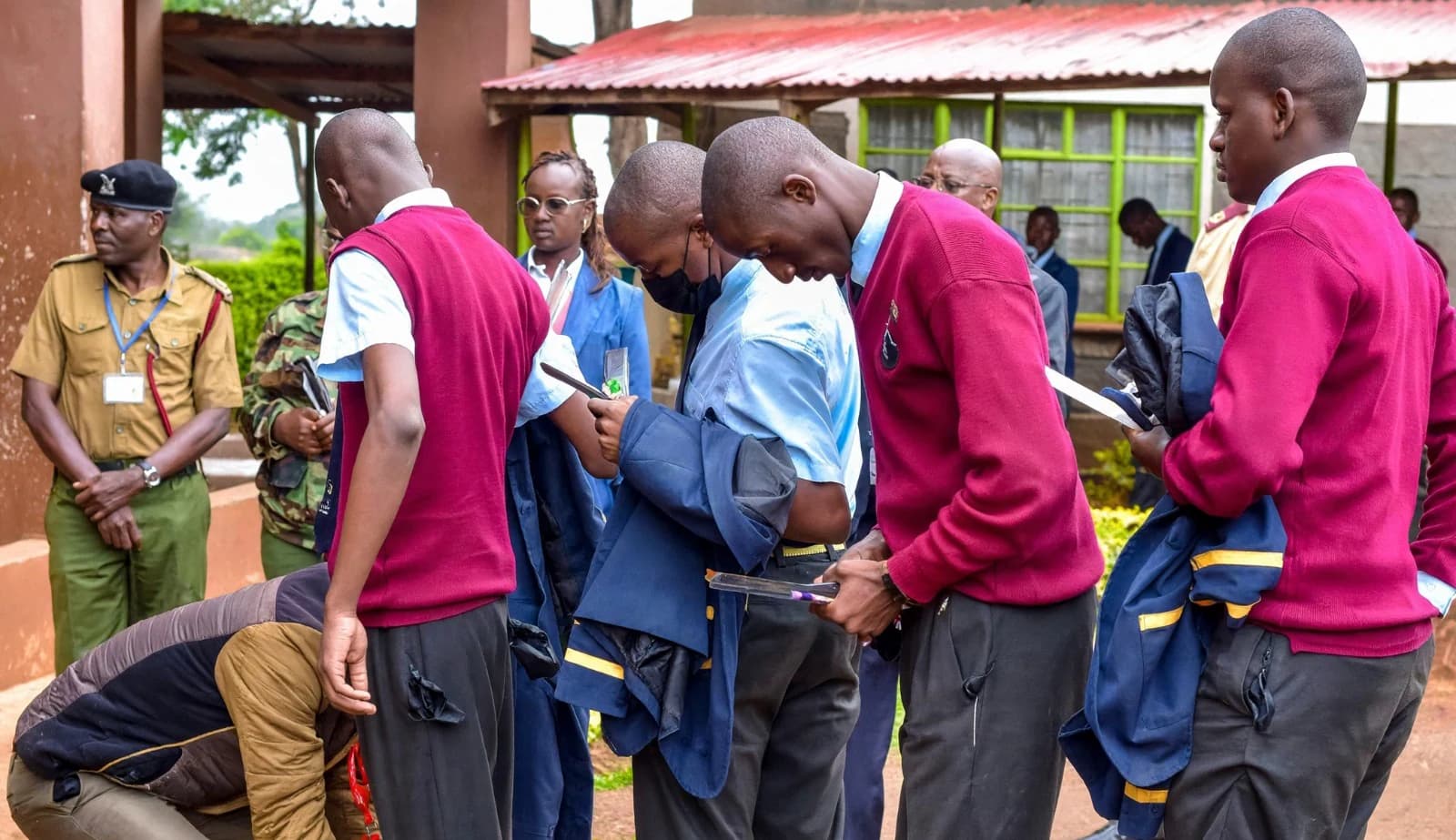
Kenyan schools today struggle to provide even basic sporting facilities. Many institutions lack adequate playing fields, gymnasiums, or trained sports instructors. Laboratories for sport physiology or biomechanics are rare outside elite institutions. If schools cannot adequately support athletics or swimming programmes, introducing a high-cost discipline such as rally driving would be extremely difficult. Motorsport requires specialised vehicles, safety gear, mechanical workshops, and track access—resources that most public schools cannot afford.
Human resources is another critical challenge. Teachers are trained primarily in pedagogy and academic subjects. Very few educators in Kenya possess professional experience in motorsports engineering, rally navigation, or automotive performance science. For motorsports to become a viable learning pathway, the country would need partnerships with automotive engineers, racing teams, and technical training institutes. Polytechnics and universities offering mechanical engineering might be better suited to anchor such programmes than secondary schools.
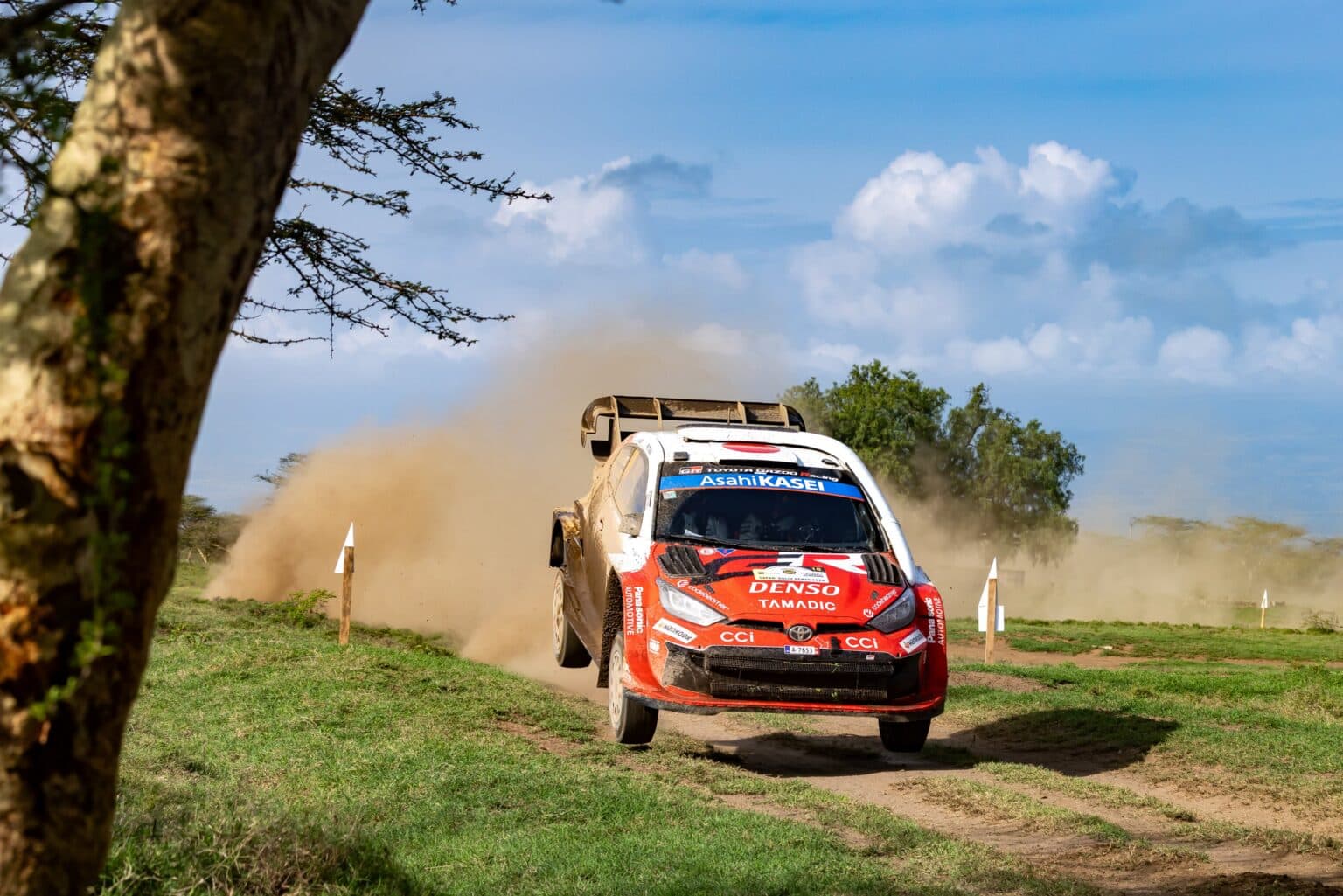
Yet despite these structural limitations, Kenya already has a strong rally culture anchored around the World Rally Championship calendar. The Safari Rally has long been one of the most iconic events in global motorsport. The 2026 rally around Lake Naivasha once again attracted elite international drivers competing across multiple categories of rally vehicles. Sébastien Ogier, Oliver Solberg, Elfyn Evans, Thierry Neuville and Takamoto Katsuta were among the leading names battling the unpredictable terrain.
The competition this year has been dramatic, with changing weather conditions, mechanical failures and muddy tracks reshaping the leaderboard. At one point, Katsuta surged into the lead with a significant time advantage after several rivals encountered technical setbacks. Such moments demonstrate the complexity of rally racing: success depends not only on driving skill but also on engineering reliability, strategic planning and teamwork.
Local Kenyan drivers also participated, showing the country’s growing interest in motorsports. Drivers like Karan Patel and Jeremiah Wahome have been competing against international crews and steadily building reputations within African rally circuits. Their participation proves that Kenya already possesses pockets of motorsport talent even without formal school programmes.
However, the experiences of the roughly seventeen drivers competing across various classes in the Naivasha rally illustrate an important reality: most of them developed their skills through private teams, family support, motorsport clubs, or international academies rather than school systems. Rally drivers typically begin their careers in karting circuits, junior rally academies or specialised motorsport training programmes. Kenya currently lacks a structured grassroots motorsport development pipeline within its education system.
If CBE eventually integrates motorsports within the Sport Science pathway, the real transformation would lie not in schools owning rally cars but in exposing learners to the science behind motorsport. Schools could teach automotive engineering principles, vehicle dynamics, and sports performance analytics. Partnerships with rally teams, technical universities, and automotive companies could provide practical exposure through internships or training camps. In this way, motorsport education would focus on knowledge and innovation rather than expensive racing equipment.
Would this make the Safari Rally richer in the future? Possibly yes. If young Kenyans grow up studying automotive technology, sports engineering, and performance science, the country could produce more skilled mechanics, navigators, engineers, and drivers. Rally teams depend on large technical crews, and a stronger talent pipeline would strengthen Kenya’s role in international motorsport. Over time, this could lead to more competitive Kenyan drivers participating in the WRC stages.
However, the dream should be approached realistically. Kenya’s immediate education priorities remain improving literacy, numeracy, and infrastructure across schools. Motorsports education is more likely to emerge gradually through technical institutions, sports academies, and private partnerships rather than directly through the mainstream school curriculum.
For now, the roar of rally engines in Naivasha remains largely the domain of professional teams and motorsport enthusiasts. Yet the curiosity sparked by CBE’s Sport Science pathway hints at a future where Kenyan learners may not only watch the Safari Rally but also design the cars, engineer the machines, and perhaps drive them to victory.
By Ashford Kimani
Ashford teaches English and Literature in Gatundu North Sub-county and serves as Dean of Studies.
You can also follow our social media pages on Twitter: Education News KE and Facebook: Education News Newspaper for timely updates.
>>> Click here to stay up-to-date with trending regional stories
>>> Click here to read more informed opinions on the country’s education landscape
Reader Discussion (0)
Sign in to comment