









A growing number of learners who qualify for university degrees are deliberately opting for technical and diploma programmes, pointing to a quiet but significant shift in how young people view education, work and success.
New figures from the Kenya Universities and Colleges Central Placement Service (KUCCPS) show that the number of degree-qualified students choosing TVET and diploma pathways has risen sharply—from about 500 in 2019 to over 20,000 last year. The trend reflects a move away from certificate-driven choices towards training that offers practical skills and clearer routes into employment.
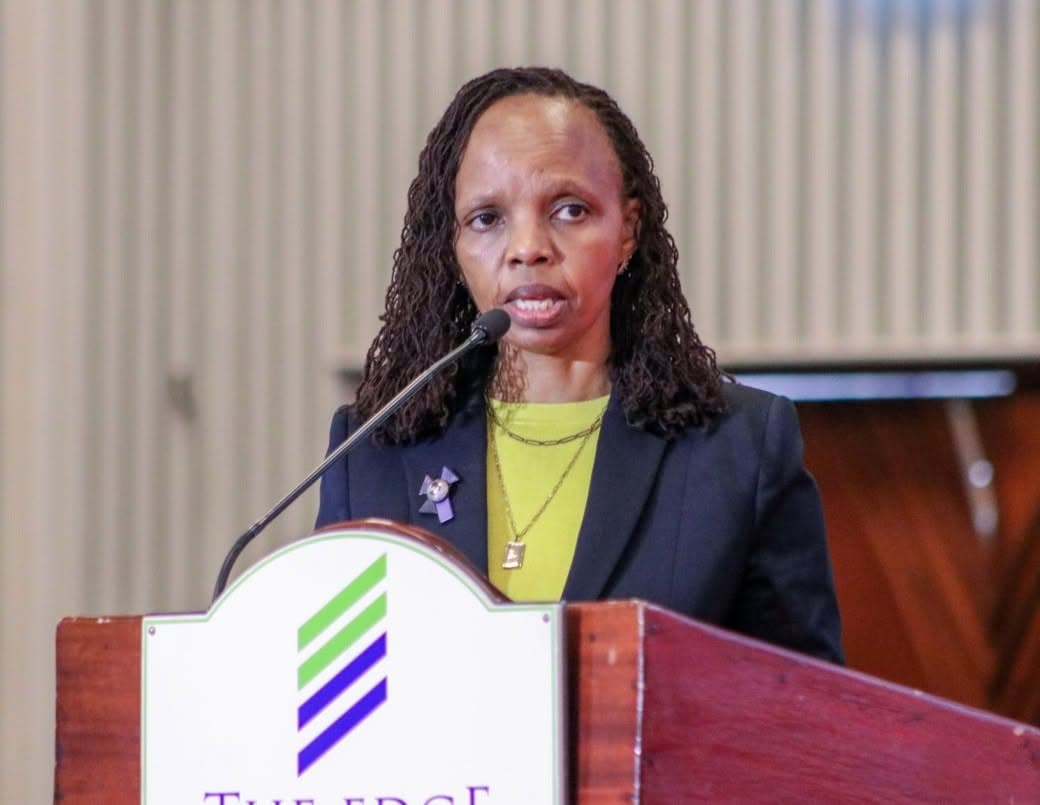
KUCCPS Chief Executive Officer Dr Agnes Wahome says learners are increasingly guided by self-awareness and labour market realities rather than societal pressure to pursue university degrees.
“For a long time, grades were glorified and university education was seen as the only marker of success. What we are witnessing now is a healthy correction, where learners are making informed decisions based on skills, interests and career prospects,” Dr Wahome said.
She noted that TVET and diploma programmes are no longer viewed as fallback options. Instead, many students are choosing them intentionally, even after meeting the cut-off for degree courses, because of their strong practical orientation and faster transition into the job market.

An expert engages a student at an exhibition booth during DeKUT’s Annual Academic Open Day-Photo|Amos Kiarie
“Last year alone, more than 20,000 students who qualified for degree programmes chose diploma courses by choice. That tells us learners now understand that employability, growth and income are increasingly anchored on skills rather than papers,” she said.
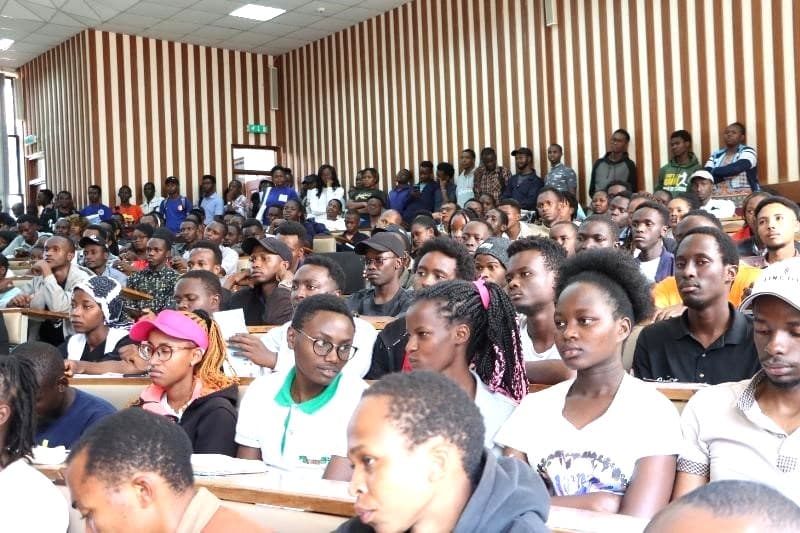
The changing mindset was evident during the Dedan Kimathi University of Technology (DeKUT) Annual Academic Open Day, which drew thousands of Form Four leavers, parents, educators and industry players. The event showcased the university’s academic offerings, innovations and research, while highlighting career pathways aligned to technology, industry needs and skills-based learning.
DeKUT Vice-Chancellor Engineer Peter Muchiri said science and technology-driven education remains critical to Kenya’s development, especially in engineering and technical fields where practical competence is essential. He explained that the vast majority of the university’s programmes are technology-focused and designed to balance theory with hands-on training.
“In engineering, it is not enough to know concepts—you must be able to apply them. At DeKUT, we emphasise practical learning through workshops, laboratories and real-life projects so that our graduates are ready to solve problems in industry and society,” Prof Muchiri said.
ALSO READ:
https://educationnews.co.ke/west-mugirango-ng-cdf-hikes-education-bursaries-to-ksh-75m-to-benefit-more-students/
He added that the university’s long-standing investment in laboratories, workshops and experiential learning places it in a strong position as the country rolls out competency-based education (CBE) at higher levels.
“Competency-based education is not new to us. What we are doing now is refining our curriculum, equipping our lecturers, strengthening infrastructure and adjusting assessment methods to fully align with CBE. Platforms like this Open Day help learners and parents make career decisions informed by skills and future demand, not just grades,” he said.
The Open Day attracted between 5,000 and 8,000 participants, most of them Form Four leavers at a critical decision-making stage. Parents were also engaged on alternative education pathways, with the participation of the KUCCPS CEO underscoring the growing importance of structured career guidance and informed placement in shaping Kenya’s workforce of the future.
By Amos Kiarie
You can also follow our social media pages on Twitter: Education News KE and Facebook: Education News Newspaper for timely updates.
>>> Click here to stay up-to-date with trending regional stories
>>> Click here to read more informed opinions on the country’s education landscape



Reader Discussion (0)
Sign in to comment