




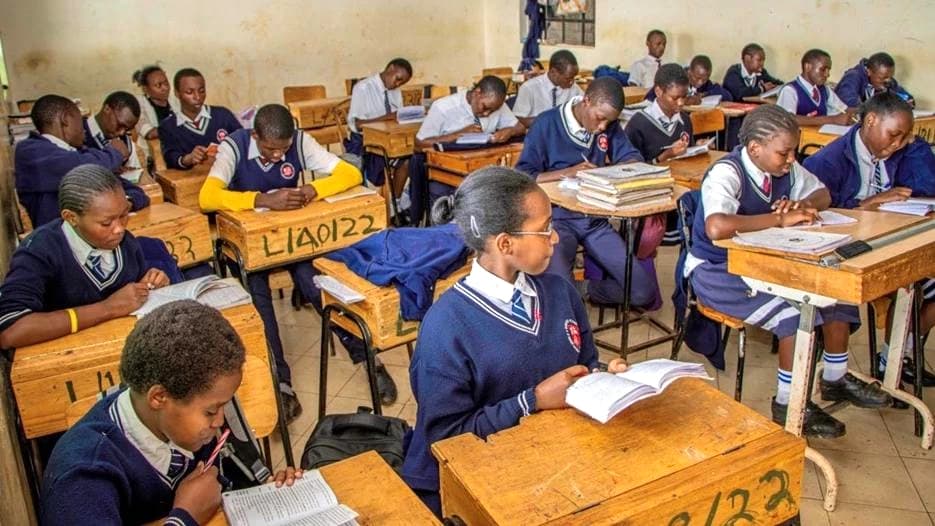

As Kenya prepares for the first ever senior school transition in 2026, the Ministry of Education (MoE) is developing a new, pathway-based fee structure that will vary by school cluster and the course of study chosen by learners.
The move marks a major shift from the traditional categorisation of secondary schools; National, Extra-County, County, and Sub-county, which for years determined how much parents paid in school fees. Under the Competency Based Curriculum (CBC), senior schools will instead be grouped into four clusters: C1, C2, C3 and C4, based on their capacity and facilities.
Director of Secondary Education William Sugut said a team of education officials and school principals is currently reviewing the new structure to ensure it remains affordable and aligned with the different learning pathways: Science, Technology, Engineering and Mathematics (STEM); Social Sciences; and Arts and Sports.
“There is a team working on the fee structure with principals, and shortly we will be communicating the new figures,” said Dr Sugut. “It will be something affordable to ensure all children can access education. The structure will reflect the chosen pathway and the school’s capacity.”
ALSO READ:
https://educationnews.co.ke/governor-lusaka-lauds-free-uji-programme-for-boosting-school-attendance-in-bungoma/
Unlike in the 8-4-4 system, where National schools charged the highest fees followed by Extra-County and County schools, the CBC model aims to match fees with the cost of implementing specific pathways. C1 schools, which will offer all three pathways, are expected to have slightly higher operational costs due to the infrastructure and resources required for specialised subjects, particularly in STEM and Arts disciplines. C2 to C4 schools will offer limited pathways depending on their capacity, with fees adjusted accordingly.
The ministry says the revised approach seeks to address concerns about equity and access as more than one million Grade 9 learners prepare to join senior school in January 2026. The new fee structure is also expected to guide how schools plan and manage resources as they transition to the pathway-based system.
However, the proposal has already raised questions among parents and education stakeholders, with many remain anxious about whether the change could make education more expensive or lead to disparities between schools.
Dr Sugut assured parents that affordability remains central to the new model, adding that the government’s capitation for CBC materials will continue to support teachers and schools in delivering the new curriculum effectively.
The Ministry is expected to announce the new fee structure soon after the review team concludes its work.
By Mercy Kokwon
You can also follow our social media pages on Twitter: Education News KE and Facebook: Education News Newspaper for timely updates.
>>> Click here to stay up-to-date with trending regional stories
>>> Click here to read more informed opinions on the country’s education landscape


Reader Discussion (0)
Sign in to comment