


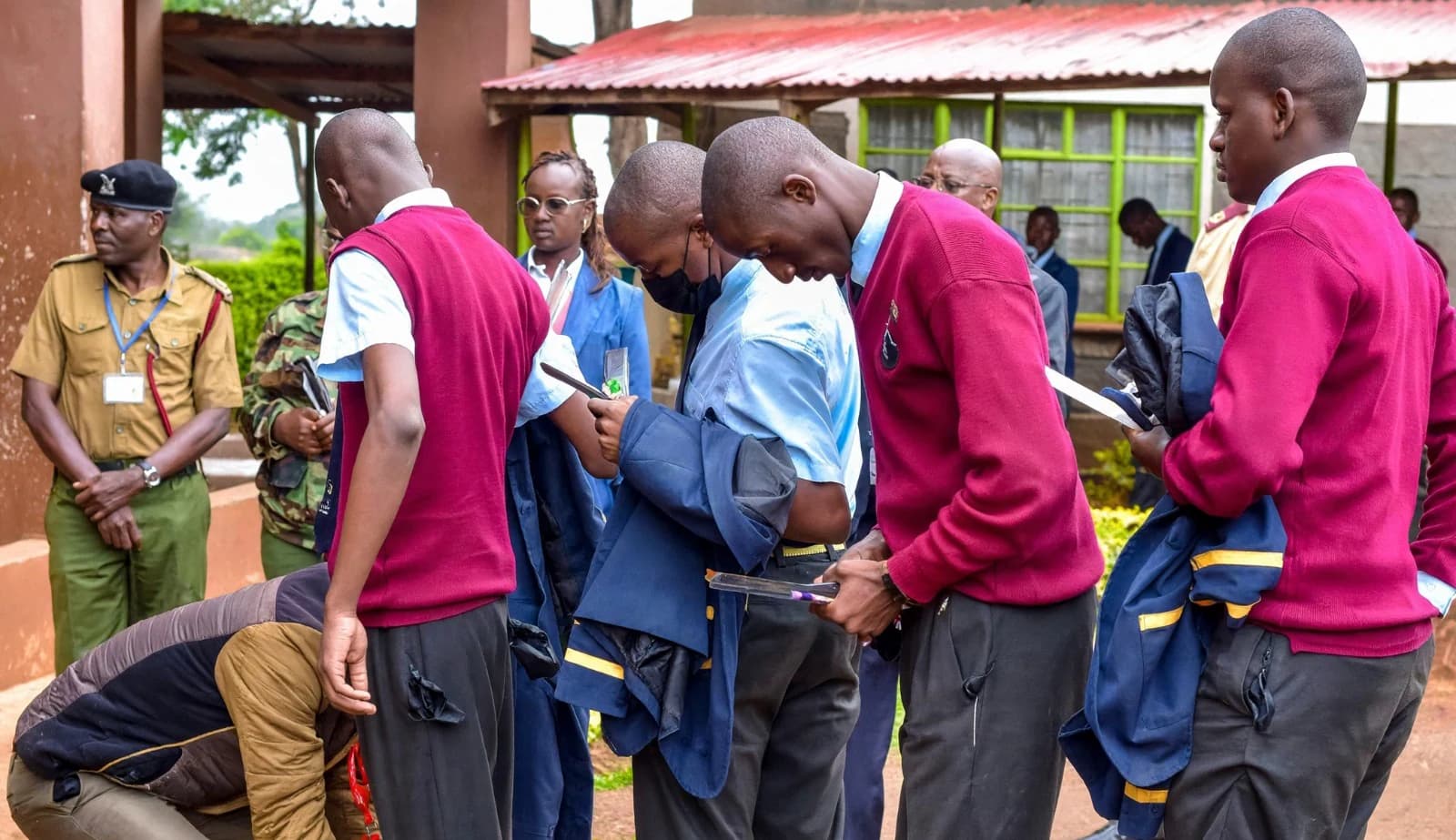





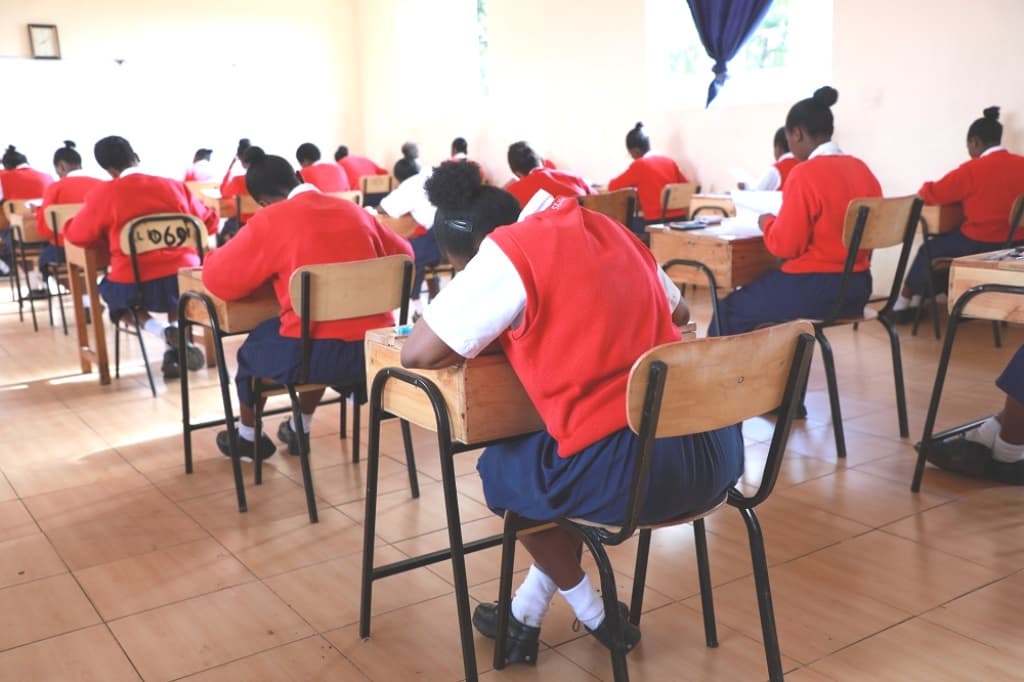
In Kenya, and across much of Africa, persistent calls for a fundamental re-examination of the education system have grown louder with each passing year. The long-standing 8-4-4 structure is being phased out, and the Competency-Based Curriculum has been ushered in with the promise of shifting focus from rote memorisation to the cultivation of practical skills and lifelong learning.
Yet concerned citizens cannot suppress a troubling question: are we mis-educating our children? Despite the structural transition, the content fed to learners remains largely colonised in outlook, irrelevant to contemporary challenges, and delivered through pedagogies so outdated that they leave 21st-century minds disengaged and restless.
The Competency-Based Curriculum was conceived to address the evident shortcomings of its predecessor: an obsession with examinations, limited application of knowledge, and a glaring disconnect from labour-market needs. In principle, it incorporates pertinent contemporary issues such as health, social and economic concerns, global citizenship, and life skills. It aspires to foster creativity, critical thinking, collaboration, and digital literacy. Recent expert analyses, however, reveal that implementation has fallen short. Inadequate teacher training, insufficient infrastructure, and chronic resource constraints have forced many educators to revert to traditional chalk-and-talk methods. Large class sizes and the absence of modern learning materials undermine the very competencies the curriculum claims to promote. As a result, the noble intentions have not translated into transformative classroom experiences.
ALSO READ:
https://educationnews.co.ke/funyula-town-erupts-in-celebration-as-nangina-girls-becomes-national-school/
More fundamentally, the curriculum has failed to purge its colonial inheritance. Decades after independence, educational content still bears the imprint of Eurocentric perspectives that prioritise distant histories and abstract theories over knowledge directly pertinent to Kenyan and African realities. Learners graduate with scant exposure to geopolitics that shape their daily existence. Consider the Strait of Hormuz, a narrow maritime chokepoint through which approximately one-quarter of global seaborne oil trade passes. Recent tensions there have triggered sharp increases in international fuel prices, raising landing costs for Kenya’s imported petroleum products and inflating transport and household expenses nationwide. An education system attuned to 21st-century realities would equip students to understand such energy politics, international trade routes, and their immediate economic repercussions. Instead, these topics remain peripheral or absent.
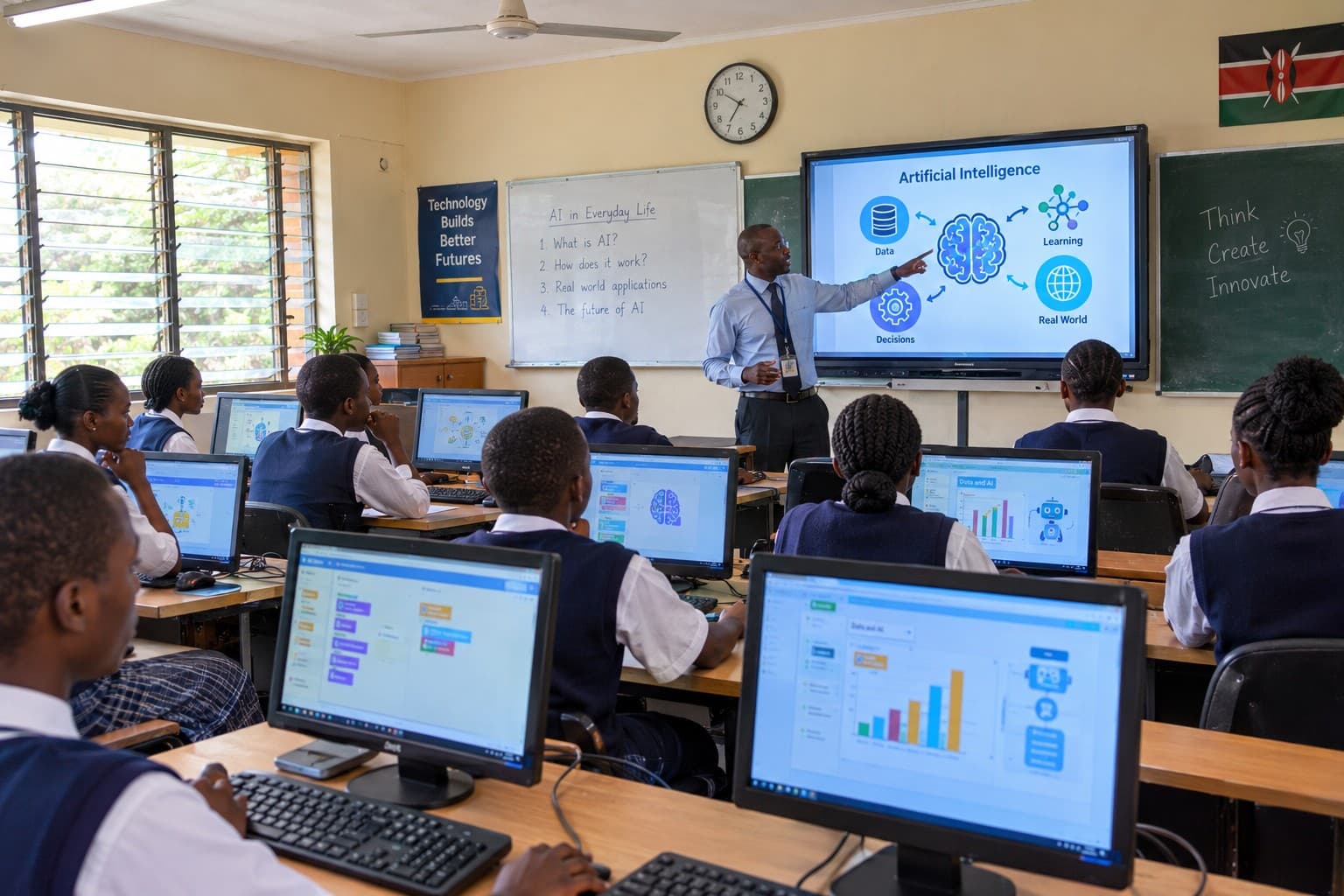
Equally absent is meaningful engagement with current affairs, artificial intelligence and technological disruptions, or the intricate connections between mental health and human biology. Kenya’s own Artificial Intelligence Strategy for 2025-2030 recognises the transformative potential of AI across sectors, yet schools rarely teach foundational AI literacy or prepare learners for the job-market upheavals ahead. Meanwhile, the Kenya National Adolescent Mental Health Survey reveals that 44.3 percent of adolescents experience mental health problems, with anxiety disorders affecting over one-quarter. Teachers consistently report rising psychosocial challenges in classrooms, yet the curriculum seldom explores the biological underpinnings—stress hormones, neurochemical imbalances, or the interplay between environment and brain function. Learners thus navigate emotional turbulence without the scientific insight that could foster resilience and self-awareness.
The consequences are stark. School has become burdensome rather than inspiring. Boredom born of irrelevance drives many young people toward anti-social activities that offer temporary respite. Studies on secondary-school students in various counties document elevated levels of indiscipline and disengagement, often linked to curricula that neither ignite curiosity nor address lived realities. Youth unemployment remains alarmingly high, with more than one million young Kenyans entering the labour market annually, many possessing qualifications that fail to match employer demands. This skills mismatch is not accidental; it is the predictable outcome of an education system that has not kept pace with a world defined by rapid technological change, geopolitical volatility, and interconnected global challenges.
Relevant stakeholders—the Ministry of Education, the Kenya Institute of Curriculum Development, teacher-training institutions, parents, and development partners—bear a collective responsibility to act decisively. A truly learner-centred curriculum must be designed from the ground up to meet the needs of 21st-century Kenyans. It should integrate geopolitics and current affairs as core strands, embed AI literacy and digital ethics across subjects, and weave mental-health education with its biological foundations into the mainstream. Pedagogies must shift decisively toward experiential, project-based, and collaborative learning that values critical inquiry over memorisation. Content must be decolonised by centring African perspectives, local case studies, and regional contexts while maintaining global awareness. Assessment should reward application and innovation rather than regurgitation.
ALSO READ:
https://educationnews.co.ke/unesco-report-warns-273-million-children-out-of-school-globally-as-exclusion-crisis-deepens/
Such reforms will not occur overnight, nor will they be cost-free. They demand sustained investment in teacher professional development, equitable infrastructure, and inclusive stakeholder consultation. Yet the cost of inaction is far greater: a generation ill-prepared for the complexities of a multipolar world, vulnerable to economic shocks, and disconnected from the very society it is meant to serve. Kenya’s future prosperity hinges on citizens who think critically about global energy flows, harness emerging technologies ethically, and manage their mental wellbeing with scientific understanding. The education system must therefore cease to be a relic of the past and become the forge of a competent, resilient, and globally aware citizenry.
The time for cosmetic transitions has passed. Kenya must now design and deliver a curriculum that is genuinely relevant, dynamic, and attuned to the aspirations and realities of its 21st-century learners. Only then will schools cease to be places of burden and instead become crucibles of empowerment. The alternative is to watch another generation drift further from the promise of quality education—a price the nation cannot afford.
By Newton Maneno
You can also follow our social media pages on Twitter: Education News KE and Facebook: Education News Newspaper for timely updates.
>>> Click here to stay up-to-date with trending regional stories
>>> Click here to read more informed opinions on the country’s education landscape



Reader Discussion (0)
Sign in to comment