


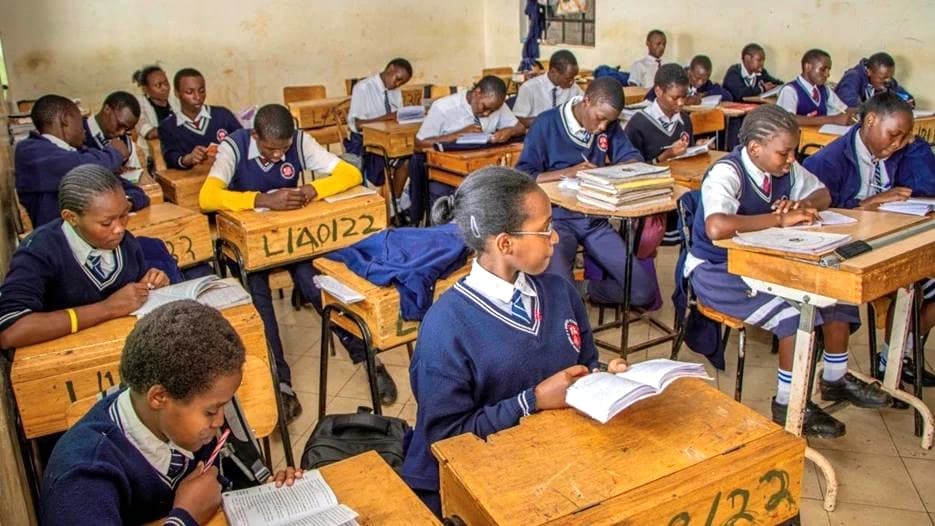

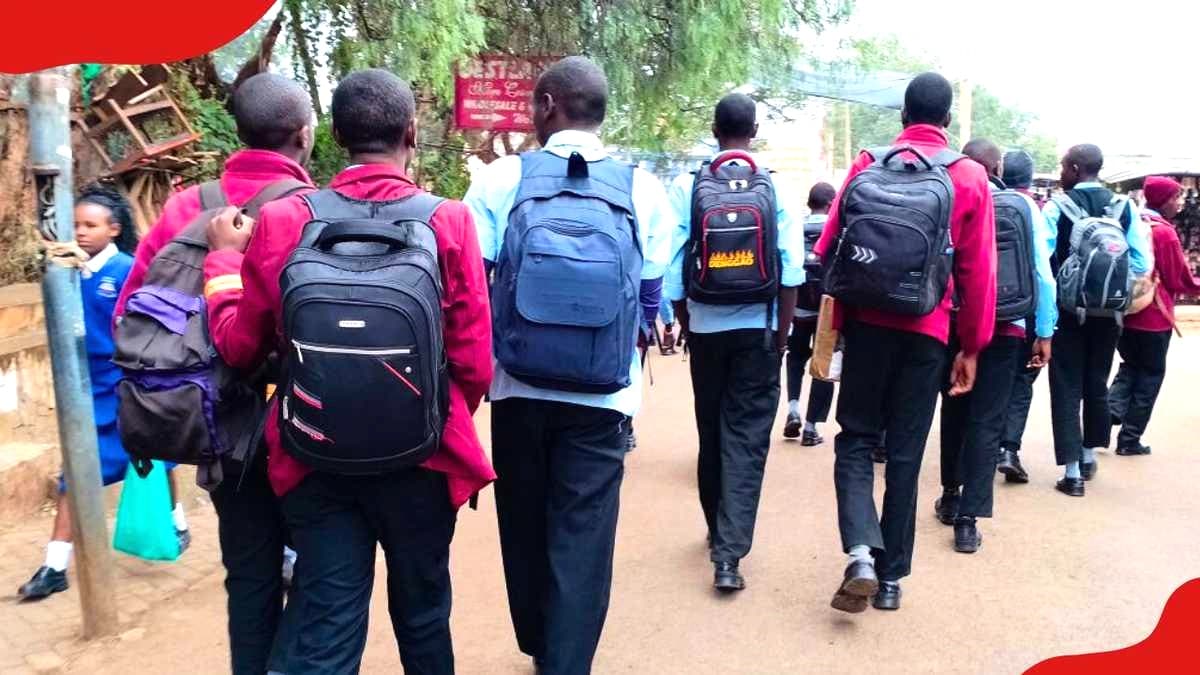

Millions of learners in arid regions and urban informal settlements could be forced out of school as delays and shortfalls in the supplementary budget threaten the school feeding programme and infrastructure projects, Members of Parliament have cautioned.
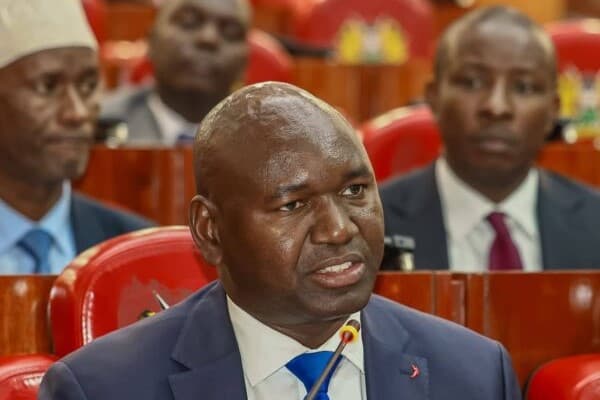
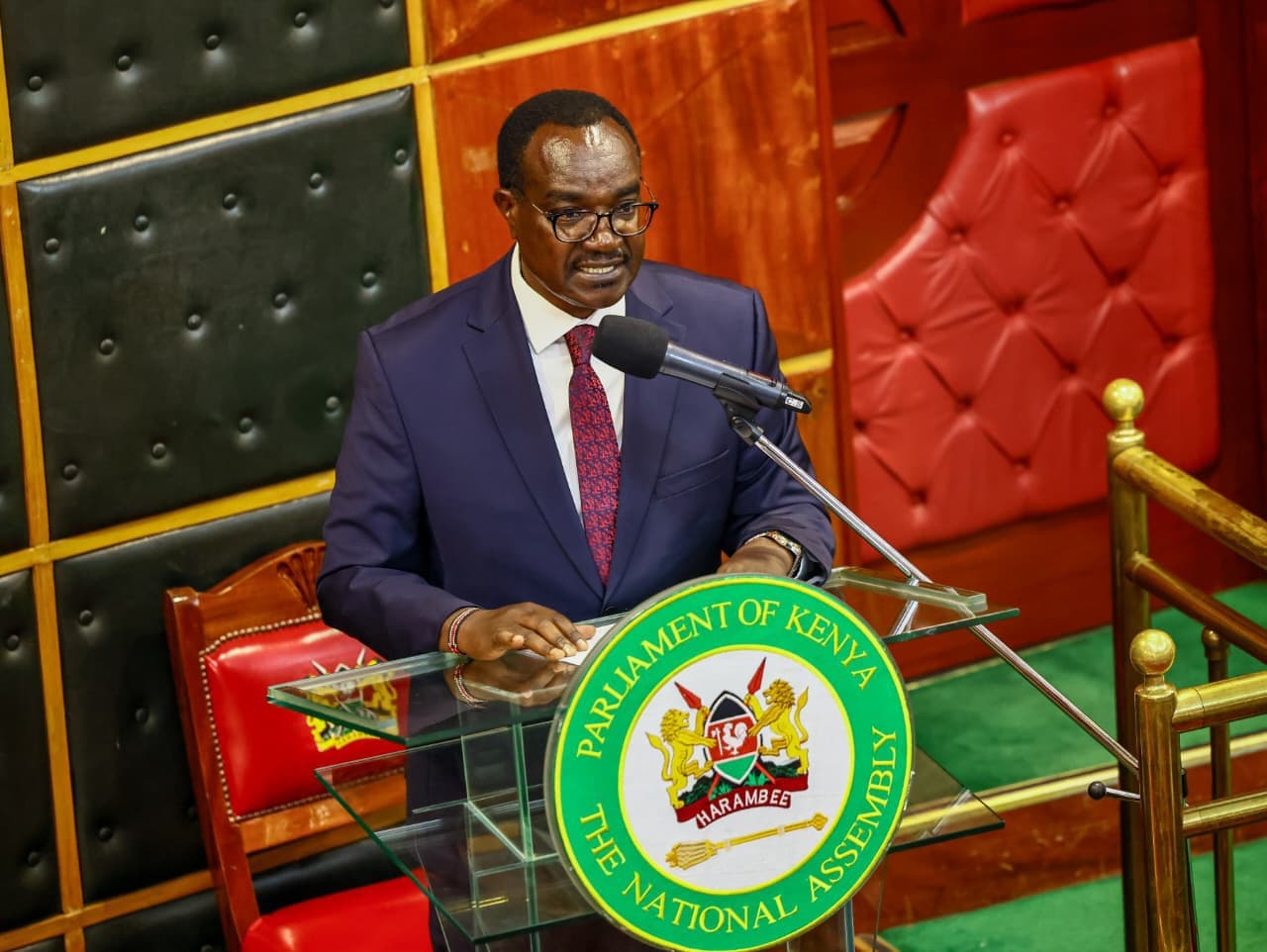
The alarm was raised during a meeting between the National Assembly’s Committee on Education and Basic Education Principal Secretary Prof. Julius Bitok, who appeared before MPs to discuss Supplementary Estimates I for the 2025/2026 financial year. Legislators warned that the financing gap could derail critical programmes meant to keep vulnerable children in school.
According to the State Department of Basic Education, KSh4.7 billion has been allocated to the school feeding programme, far below the KSh12.7 billion required to cover 2.6 million learners. Lugari MP Nabii Nabwera said the shortfall could have devastating consequences.
“The impact of this shortage of funds is severe. We are talking about children who depend on this programme to stay in school. Without adequate funding, we risk increased absenteeism and dropout rates,” Nabwera told the committee.
ALSO READ:
https://educationnews.co.ke/moe-reshuffles-principals-of-national-polytechnics-in-fresh-changes/
The programme, which mainly targets learners in arid and semi-arid regions, has been credited with improving attendance and retention. However, MPs argued that its scope must be expanded to include urban informal settlements, where poverty levels mirror those in rural areas. Kibra MP Peter Orero said limiting the programme to traditional regions ignores a growing population of food-insecure learners in cities. “Children in informal settlements are equally vulnerable. Limiting the programme to arid areas ignores a growing population of food-insecure learners in urban centres,” he said.
The legislators also expressed concern over inequitable distribution of infrastructure funds. The supplementary budget has allocated KSh361 million for primary school infrastructure and KSh510 million for junior secondary schools.
Nandi Woman Representative Rebecca Tonkei and Teso South MP Mary Emaase said many rural schools still operate in unsafe conditions. “There must be equity in the distribution of infrastructure funds. We still have schools with mud walls, leaking roofs and unsafe classrooms. These learners deserve dignity,” Tonkei said.
Luanda MP Dick Maungu added that limited allocations continue to undermine learning conditions. “We have learners studying under trees and in unsafe classrooms. The allocations we are seeing cannot meaningfully address these challenges,” he warned.
The committee demanded transparency in fund distribution, insisting that the Ministry provide a detailed list of beneficiary schools to ensure fairness and accountability. Kitutu Masaba MP Clive Gesiro reinforced the call for deliberate equity, especially for rural schools lagging behind.
ALSO READ:
https://educationnews.co.ke/teachers-medical-cover-at-risk-as-tsc/
Defending the allocations, PS Bitok explained that infrastructure investments follow ongoing programmes and existing commitments, including donor-supported initiatives such as the Kenya Primary Education Equity in Learning Programme (KPEEL). He cited competing budget pressures, including pending bills amounting to KSh7.7 billion, as constraints on expanding allocations.
Committee Chair Melly directed the Ministry to submit a comprehensive breakdown of schools earmarked for infrastructure funding and detailed data on feeding programme beneficiaries.
Bitok also pleaded with MPs to secure KSh66 billion in the supplementary budget, highlighting urgent needs such as payments for KNEC exam supervisors, capitation, and the school feeding programme for learners in arid and semi-arid regions.
By Masaki Enock
You can also follow our social media pages on Twitter: Education News KE and Facebook: Education News Newspaper for timely updates.
>>> Click here to stay up-to-date with trending regional stories
>>> Click here to read more informed opinions on the country’s education landscape


Reader Discussion (0)
Sign in to comment