




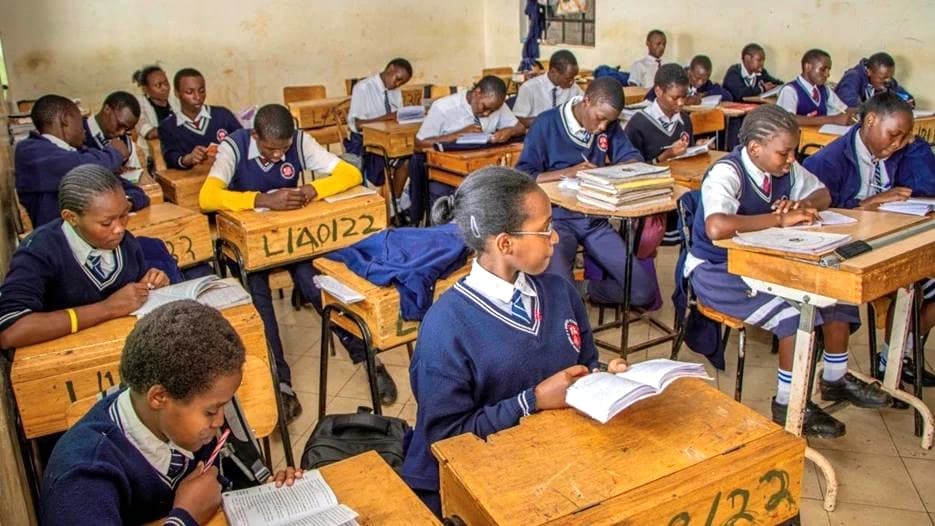



Meru County continues to face a significant challenge with teenage pregnancies, a problem largely attributed to high poverty levels in affected areas.
The most impacted regions are Tigania and Igembe, areas renowned for the miraa cash crop. This raises questions about whether miraa generates as much income as widely perceived.
According to James Mbote, Deputy County Commissioner of Meru, two research studies conducted this year revealed alarming statistics: between January and May, 4,360 girls aged 10-19 became pregnant in Meru County, with 277 of them aged between 10-14 years.
Mbote warned that the situation could worsen during the upcoming festive season if stakeholders fail to take collective action.
“Kindly I want to warn the members of public, stakeholders and especially parents to be very keen on what their children are doing especially this school holidays. We are on festive moods and the number of teenage pregnancies especially for school going girls might raise if we don’t play our role.” Warned Mbote.
Stanley Gitari, a former Community Health Coordinator at Maua Methodist Hospital and founder of SONSO Kenya, a rescue center for vulnerable children based in Maua town, highlighted poverty as the primary driver of teenage pregnancies especially school girls in Tigania and Igembe.
Gitari explained that when girls lack basic necessities such as food, clothing, pocket money, or sanitary towels, they become vulnerable, often lured into early sexual relationships that lead to pregnancies.
“I call for a united effort among all stakeholders to provide guidance and support to young girls.” Gitari appealed.
ALSO READ:
https://educationnews.co.ke/how-to-check-kjsea-placement-via-mobile-phones-as-results-set-for-release-this-week/
Mary Gitari, a family life counselor, echoed these sentiments. She emphasized that the absence of essential needs often pushes girls to seek money through any means, including forming relationships with men or boys, especially boda boda operators, to meet their needs.
Mary further noted that the lack of sexual education and parental neglect are major contributors to the crisis.
“I urge parents to overcome the stigma of discussing sexual matters with their children. Community, religious leaders, county and national government officials, teachers, and other stakeholders, let us collaborate in educating children on sexual health to curb this teenage pregnancies.” Said Madam Mary.
Mary also stressed the importance of encouraging teenage mothers to return to school, enabling them to break the cycle of poverty and avoid falling into early relationships that could lead to repeat pregnancies.
Meru High Court Judge Justice Eston Nyaga underscored the judiciary’s commitment to prioritizing children’s rights.
He urged parents to take responsibility for shaping their children’s behavior, particularly in the digital age, where harmful internet content can influence them.
“Some teenage pregnancies result from children attempting to explore what they encounter online.” Justice Nyaga warned.
He called on all stakeholders to safeguard children by reporting any violations of their rights.
To address these challenges, the Meru Law Courts has already launched a one-month child service initiative aimed at expediting children’s cases, enhancing justice, and fostering collaboration among stakeholders to combat child abuse and enable them access education.
The initiative seeks to improve the welfare of children and address systemic issues within the justice system.
By Jeff Mwangi
You can also follow our social media pages on Twitter: Education News KE and Facebook: Education News Newspaper for timely updates.
>>> Click here to stay up-to-date with trending regional stories
>>> Click here to read more informed opinions on the country’s education landscape




Reader Discussion (0)
Sign in to comment