





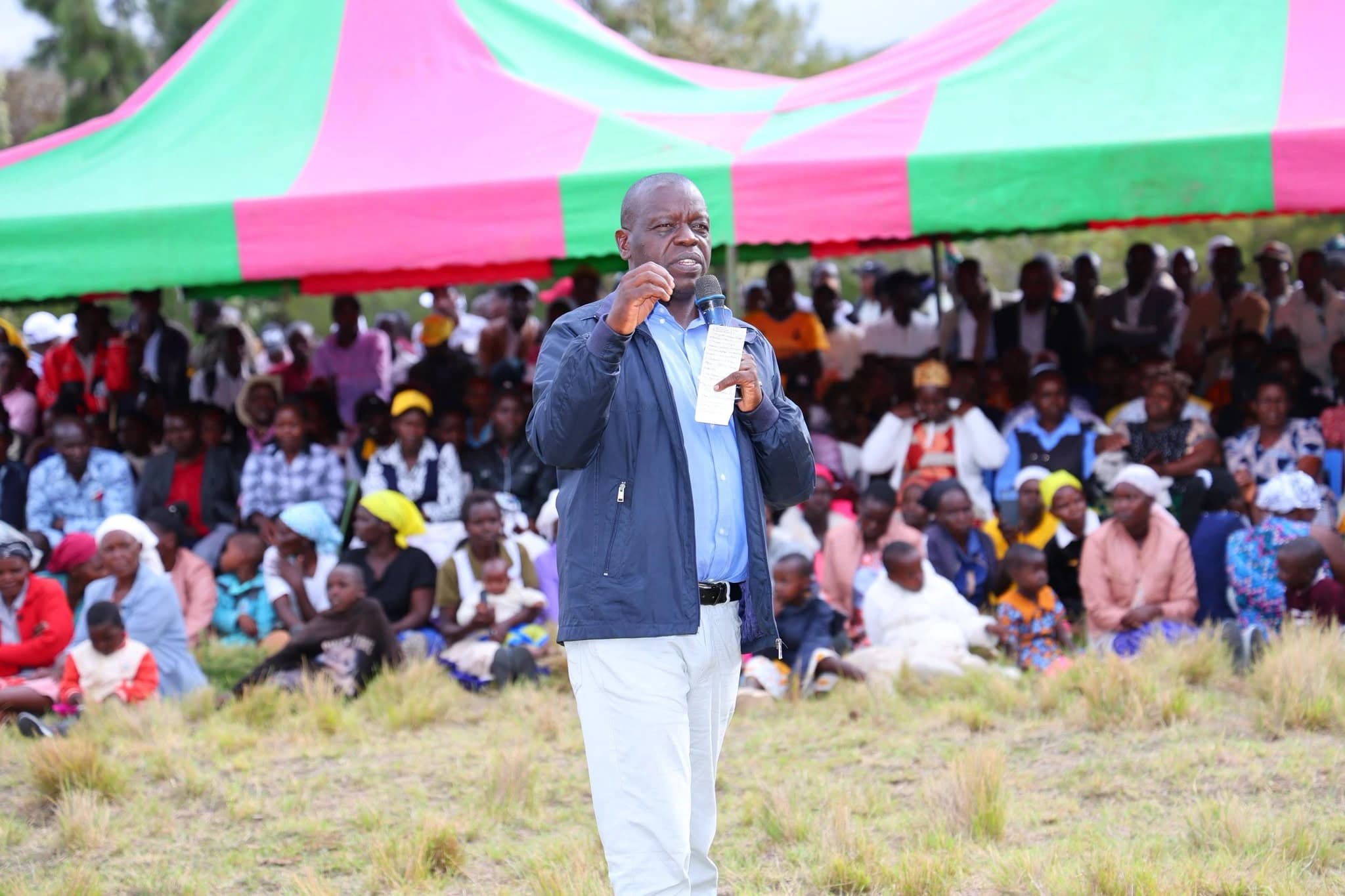
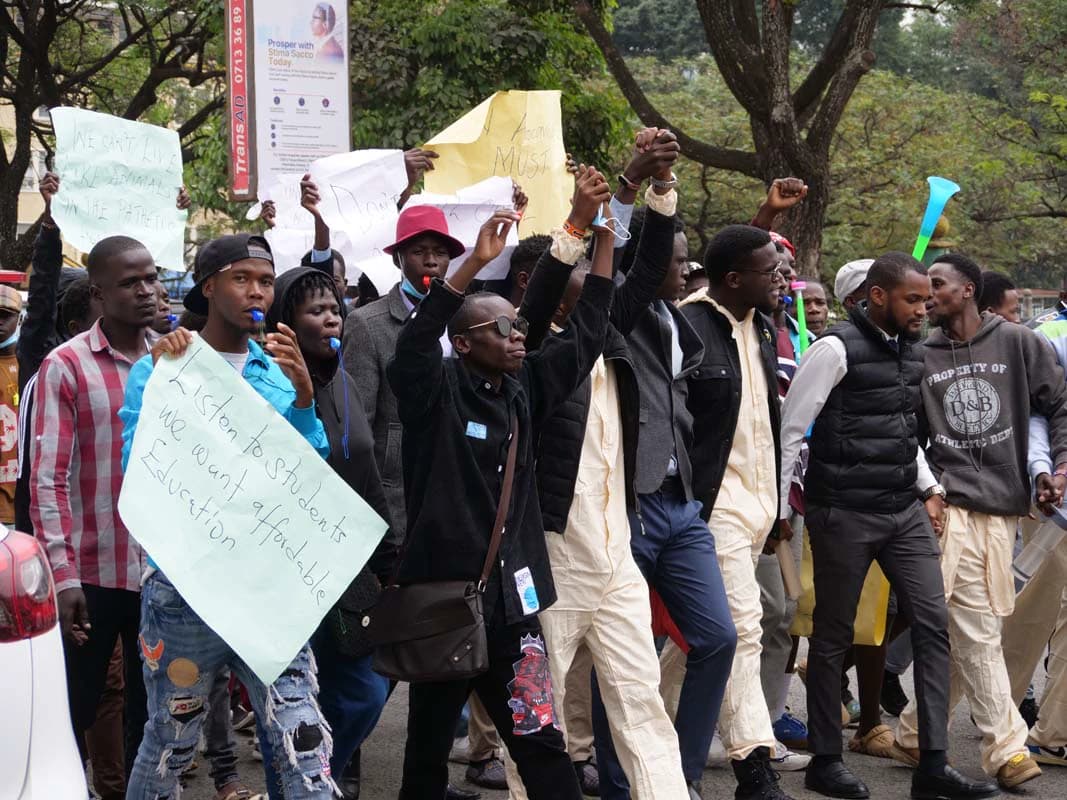


The West Pokot KNUT branch elections did not arrive quietly. They thundered in, shaking corridors, staffrooms, and WhatsApp groups alike. From the first murmurs of candidature to the final declaration of results, the branch transformed into a political arena charged with calculation, persuasion, and raw democratic firepower. This was not a ceremonial ritual to tick a constitutional box. It was a battle for influence, direction, and voice.
Staffrooms became strategy rooms. Corridors turned into negotiation corridors. Phone calls stretched into the late hours of the night, and WhatsApp notifications multiplied, pinging relentlessly with updates, endorsements, and counterclaims. Delegates were counted, recounted, and counted again. Alliances hardened into camps. Every vote was treated as a decisive weapon. Every handshake, every nod, every conversation carried the weight of consequence.
This was not about prestige. It was about power. It was about representation. In a climate where teachers grapple with promotion bottlenecks, transfer anxieties, disciplinary tensions, and shifting policy frameworks, branch leadership in West Pokot has operational authority. It determines how swiftly grievances are handled, how firmly negotiations are pursued, and how visibly teachers are represented. A disengaged or absent leadership would have been a silent acquiescence in the face of mounting pressures.
At the eye of the storm stood the contest for Branch Executive Secretary—the seat that turns strategy into action. This office drafts official letters, steers negotiations with the Teachers Service Commission, coordinates grievance responses, and sets the administrative tempo of the branch. Whoever occupies it shapes the branch’s posture: assertive or hesitant, visible or distant, responsive or reactive.
Into this high-stakes contest entered a candidate promising renewal and strategic coordination. Her campaign projected urgency, discipline, and visible leadership. Delegates listened closely, asking pointed questions about accessibility, response times, and transparency. They wanted a leader who would show up in schools consistently, not only during elections but throughout the term. Facing her was long-serving Martin Sembelo, a contender emphasising continuity and institutional grounding. His campaign leaned on stability and predictability, appealing to delegates who valued steady hands in turbulent times.
The contest quickly escalated into a defining clash of vision: recalibration versus continuity, dynamism versus tradition, urgency versus steadiness. Conversations in staffrooms were no longer casual; they were tactical. Every endorsement mattered, every vote analysed and re-analysed, every potential swing delegate courted. The intensity of engagement transformed ordinary union politics into a spectacle of organised democracy.
What made these elections extraordinary was not merely the intensity of competition but the level of engagement. Delegates debated grievance timelines, scrutinised financial management, and questioned the visibility of leaders in remote schools. They demanded measurable action. Each delegate expected the promises made during the campaign to materialise into tangible outcomes. Democracy was sharpened by expectation, and every conversation carried the weight of scrutiny.
When the ballots were finally cast, and counting began, tension gripped the room. Each vote revealed a story, each tally another twist in a drama that had captivated the branch for weeks. Long-serving Martin Sembelo, who had built his reputation over years of service, faced a challenger whose campaign had injected energy and urgency into the branch. Round after round of counting, the gap narrowed, sending whispers through the delegates: could experience withstand the surge of fresh ambition?
Then came the decisive moment. The final tally was announced: 1,045 votes for Dorcas Cheyech Lotome and 997 for Martin Sembelo. The margin—just 48 votes—was razor-thin, yet absolute. Delegates erupted in reaction: some in jubilation, others in stunned silence. It was not a whisper, not a polite murmur, but a declaration: the baton had passed, and a new rhythm of leadership had begun. For a branch accustomed to predictability, the result was electrifying.
Yet the contest for Executive Secretary was only the crown jewel of a broader political realignment. The branch’s leadership now combines operational efficiency, inclusivity, and strategic cohesion. The chairman serves as the branch’s visible face—the steady voice during negotiations and the rallying presence when tension escalates. The assistant chairman strengthens cohesion and makes sure strategic goals are followed consistently. Financial stewardship rests with the treasurer and assistant treasurer, whose credibility, transparency, and prompt reporting will be scrutinised closely by a politically alert membership. In union politics, finances are trust made visible; early clarity is critical to stabilising post-election emotions.
Inclusivity has been structurally affirmed through the election of representatives for persons with disabilities and women. These positions are not decorative. They institutionalise representation, ensuring that disability concerns and gender-sensitive matters are central to branch deliberations, rather than peripheral considerations. The branch is signalling clearly: leadership will be accountable, visible, and representative.
The aftermath of fierce campaigns inevitably produces aftershocks. Supporters celebrate, while others recalibrate. Political maturity is measured not by how hard a campaign is fought, but by how quickly unity is restored afterwards. Leaders who fail to navigate post-election reconciliation risk leaving fissures that can destabilise the branch. In West Pokot, the first test of leadership is always about converting electoral energy into operational precision.
READ ALSO:
https://educationnews.co.ke/joy-as-kakamega-woman-rep-rolls-out-free-sanitary-pads-to-schoolgirls/
The newly elected executive carries a mandate forged in intensity. We need to turn campaign energy into clear communication, prompt grievance handling, frequent school visits, and transparent financial practices. The rhythm of the first ninety days will likely define the tone of the term. Leadership cohesion at the top is critical. Deliberate outreach, inclusive decision-making, and consistent engagement with members will determine whether the post-election unity endures or fractures. Meanwhile, the treasurer’s office faces immediate scrutiny. Prompt, transparent, and clear financial updates will be vital to building trust and stabilising post-election emotions.
Defeat, even by a narrow margin, does not erase political presence. Fierce contests refine leaders. Influence evolves. In dynamic union spaces, yesterday’s contender often becomes tomorrow’s strategist. Political relevance rarely vanishes overnight. Experience is a currency of influence, and even in loss, leaders can shape conversation and strategy within the branch.
The broader message of the West Pokot KNUT elections is unmistakable: teachers are politically awake. They are organised. They are unwilling to outsource their voice. They expect visible leadership, assertive negotiation, and financial accountability. A disengaged branch produces apathy; West Pokot produced competition. And competition signals vitality.
The intensity and engagement witnessed at the branch level offer a clear warning to national and county political aspirants: upcoming elections at both levels are likely to be hotly contested like never before. Citizens, much like the delegates, are politically alert, deeply engaged, and unwilling to accept symbolic leadership. The same fervour, scrutiny, and demand for accountability that shaped the KNUT elections could define the next wave of national and county contests.
But union politics is not the only stage for vibrant democratic participation. The recently concluded Basic Education Committee (BEC) elections across West Pokot further illustrate a politically energised membership keen to exercise influence at every level of decision-making. The official results, announced by Labour Officer Mr Moses Lukorito at Makutano Primary School, captured a clear picture of the region’s emerging leadership.
Level / Area Position Elected Leader KNUT – Branch Branch Executive Secretary Dorcas Cheyech Lotome Assistant Executive Secretary Joseph Rusii Chairman Joel Partich Assistant Chairman Christine Ibrahim Treasurer Christine Kasheusheu Assistant Treasurer Veronica Lopoyetum PWD Representative Wycliffe Wesley Mosop Woman Representative Fridah Arusho BEC – Pokot West Male Representative Julias Bena Female Representative Ann Yarangole BEC – Kipkomo Male Representative Lokuk Lotukei Female Representative Rosebella Cheyech BEC – Pokot Central Male Representative Vasco Terengole Female Representative Irine Simatia BEC – Pokot South Male Representative Rodgers Ruto Female Representative Eunice Chemtai BEC – Kacheliba Male Representative Amos Mwangi Female Representative Rose Lounon BEC – North Pokot Male Representative Benjamin KibetThe combined table reflects the full spectrum of leadership in West Pokot, spanning union halls to constituency-level governance. From KNUT branch halls to BEC offices, the region’s political landscape shows a membership that is alert, engaged, and demanding of accountable leadership. The razor-thin KNUT vote margin, combined with active BEC elections, signals that West Pokot’s voters are paying attention, setting a precedent for upcoming county and national contests.
The banners have been lowered. The applause has faded. The debates have quieted. What remains is responsibility—responsibility to defend teachers during disciplinary turbulence, responsibility to negotiate firmly when welfare is threatened, responsibility to unify a politically energised membership, and responsibility to lead visibly, not symbolically. The fiercest elections West Pokot has witnessed are over. The fiercest test of leadership has just begun.
As the dust settles, one truth stands clear: leadership in West Pokot is no longer ceremonial. It is operational. It is visible. It is accountable. It is a mandate with teeth, and a membership watching every move. From KNUT branch halls to BEC offices, the era ahead will demand delivery, consistency, and unwavering engagement from those entrusted with authority.
By Martin Ruto and Hillary Muhalya
You can also follow our social media pages on Twitter: Education News KE and Facebook: Education News Newspaper for timely updates.
>>> Click here to stay up-to-date with trending regional stories
>>> Click here to read more informed opinions on the country’s education landscape


Reader Discussion (0)
Sign in to comment