




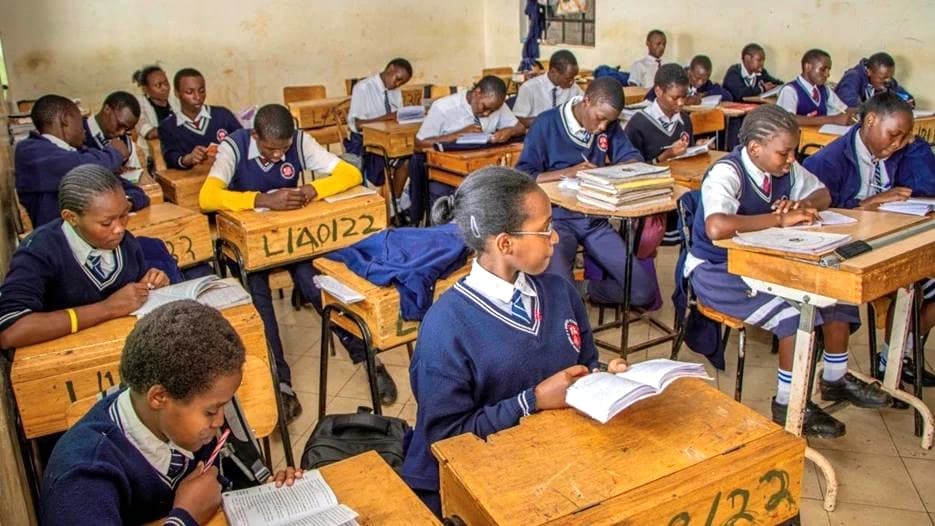




As Kenya implements the Competency-Based Curriculum, an important question arises: what place does literature occupy in shaping the learner? While the new curriculum rightly emphasizes skills, innovation, and practical competencies, there is a growing risk that literature may be treated as optional rather than essential.
Literature has for centuries played a critical role in moulding society.
Through texts by writers such as Shakespeare, Chinua Achebe, and Ngũgĩ wa Thiong’o, learners are exposed to complex human experiences, moral dilemmas, and cultural realities that no technical subject can adequately replace. These works do not merely entertain; they challenge thinking, nurture empathy, and promote ethical reasoning.
However, unlike past systems in which literature had a clearly defined space, the current curriculum framework appears to dilute its influence, especially at the senior school level. While it may not be practical to make literature compulsory for all learners, it is necessary to ensure that it is strongly integrated within language and humanities learning areas.
A curriculum that sidelines literature risks producing technically competent learners who lack depth in values, identity, and critical reflection.
ALSO READ:
https://educationnews.co.ke/cabinet-approves-education-bills-to-eliminate-inefficiencies-align-schools-and-colleges-with-cbc/
Literature remains a powerful mirror of society. It enables learners to understand human behaviour, appreciate cultural diversity, and question injustice. In a country grappling with leadership and moral challenges, literary study equips citizens with the ability to distinguish integrity from hypocrisy and principle from corruption.
Rather than viewing literature as an academic luxury, curriculum developers should recognize it as a foundational tool for character formation. Kenya’s education system must strike a balance between competence and conscience. Skills may prepare learners for the job market, but literature prepares them for life.
By Wesley Chelule, Nakuru
You can also follow our social media pages on Twitter: Education News KE and Facebook: Education News Newspaper for timely updates.
>>> Click here to stay up-to-date with trending regional stories
>>> Click here to read more informed opinions on the country’s education landscape


Reader Discussion (0)
Sign in to comment