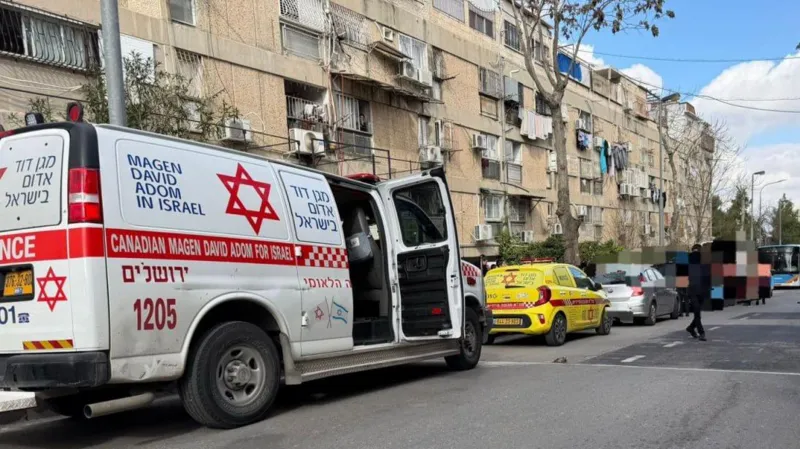
The tragic deaths of infants in a Jerusalem childcare facility are heartbreaking and deeply concerning for anyone involved in childcare policy and practice. As more women enter the workforce, ensuring the safety of their children in paid care is a non-negotiable minimum. If such failures can occur in a highly regulated, high-income setting, then Africa must confront the uncomfortable reality that our care economy remains dangerously under-regulated.
Nairobi is at a pivotal moment. For decades, thousands of children under three have spent their days in informal, unregulated childcare centers that quietly sustain the city’s working families. These centers are the unsung infrastructure of low-income households, enabling economic participation where formal childcare is unaffordable. Yet for too long, children’s safety has relied on goodwill rather than standards, training, or meaningful oversight.
Recent reforms offer hope, but the stakes extend far beyond policy and paperwork. The Jerusalem tragedy, where two infants died, and dozens were hospitalized in an unlicensed, overheated, and overcrowded facility, is a stark global warning. When childcare regulation fails, harm is not accidental; it is inevitable.
ALSO READ:
Education still underfunded despite getting the largest budget allocation-PS Kiptoo
Childcare mapping exercises reveal that Nairobi has more than 4,000 daycare centers, most of which are informal and concentrated in densely populated settlements. Their invisibility makes oversight difficult and risk pervasive. Overcrowding, untrained caregivers, unsafe infrastructure, poor hygiene, and lack of emergency preparedness are common. Research by the African Population and Health Research Center (APHRC) has consistently highlighted these dangers. For young children who cannot self-advocate, the consequences can be irreversible or fatal.
In October 2025, the Nairobi City County finalized the Childcare Facilities Regulations, a landmark step toward enforceable safety and quality standards, including caregiver qualifications, background checks, first aid certification, medical clearance, and child protection. Alongside the Children Act, 2022, which strengthens children’s rights and welfare, Kenya has signalled readiness to move from aspiration to systemic protection.
Yet critical gaps remain. Informal caregivers already spend over KES 20,000 annually on compliance, nearly equivalent to their monthly income. Increased licensing fees risk driving providers further underground, precisely where children face the greatest danger. Professionalization requirements, while important, do not reflect the realities of informal settlements where trusted caregivers may lack formal education. Without subsidized, flexible training pathways, regulation will exclude those holding the system together.
ALSO READ:
Africa’s risk landscape intensifies the urgency. Rapid urbanization, extreme heat driven by climate change, chronic overcrowding, weak emergency response, and economic pressures that undervalue caregiving create conditions where tragedy can unfold quickly. Parents accept unsafe options because they are affordable. Caregivers operate informally out of necessity, not neglect.
Nairobi must act with urgency and compassion. Safety with equity means subsidizing training and licensing, embedding community health promoters in oversight, supporting providers through coaching and safety grants, and enforcing non-negotiable environmental standards on ventilation, occupancy, and emergency preparedness. Nairobi can lead the continent by building a childcare system that protects every child now, not after tragedy forces our hand.
By Dr Patricia Kitsao-Wekulo
Dr Patricia Kitsao-Wekulo leads the Early Childhood Development (ECD) Unit at the African Population and Health Research Center (APHRC).
You can also follow our social media pages on Twitter: Education News KE and Facebook: Education News Newspaper for timely updates.
>>> Click here to stay up-to-date with trending regional stories
>>> Click here to read more informed opinions on the country’s education landscape