

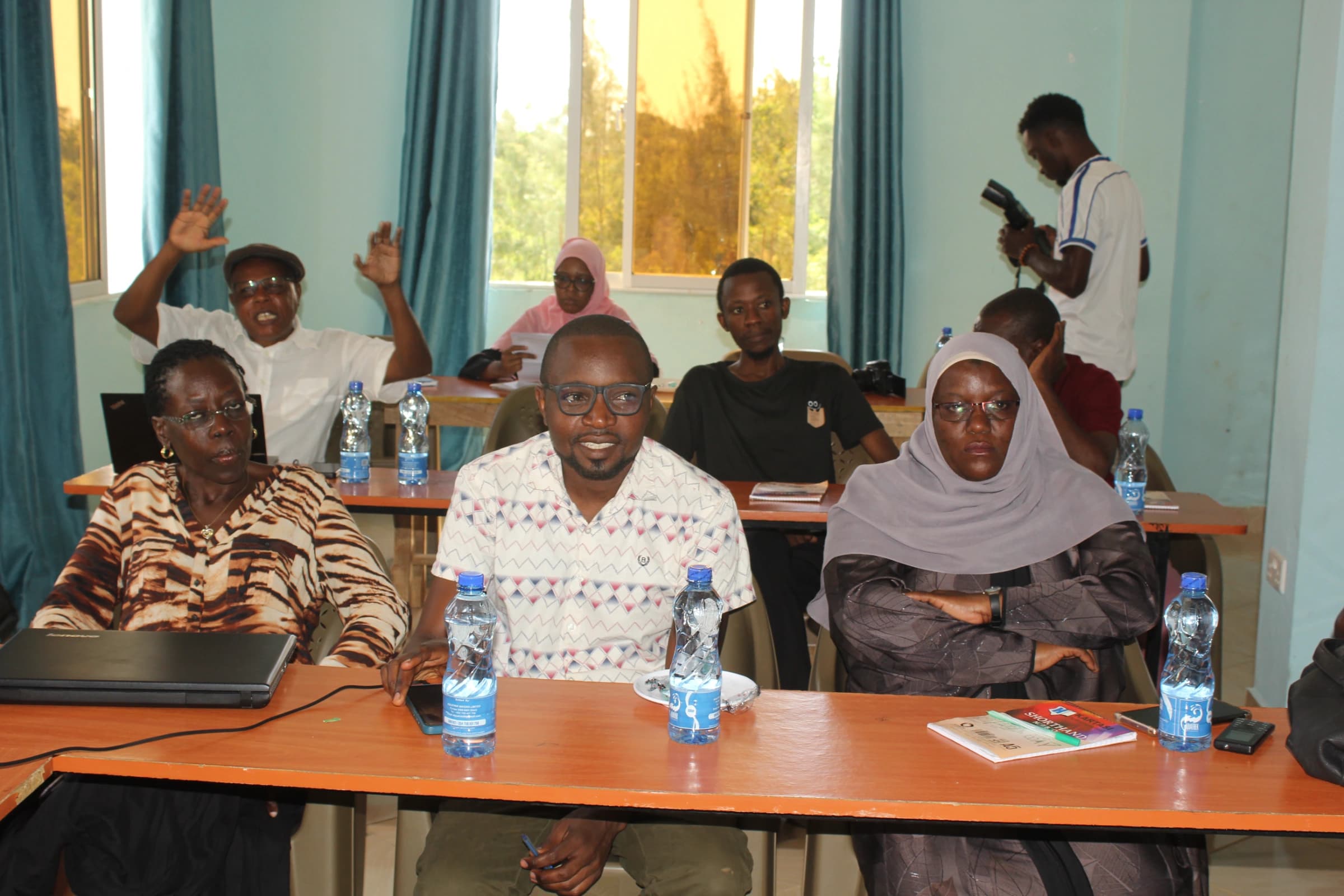
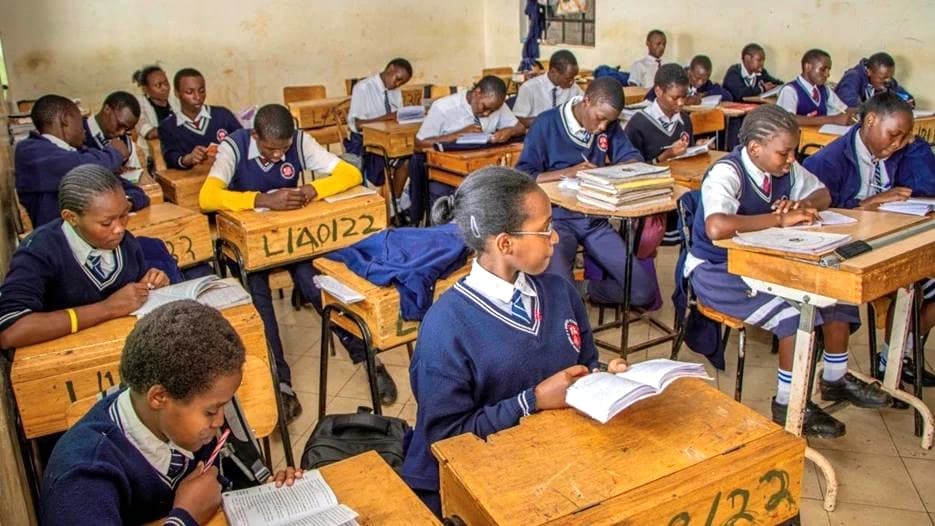


Inadequate infrastructure has been identified as the leading barrier preventing girls and learners with disabilities from accessing quality education in Kenya’s marginalised communities, according to a new 2025 report by the National Gender and Equality Commission (NGEC).
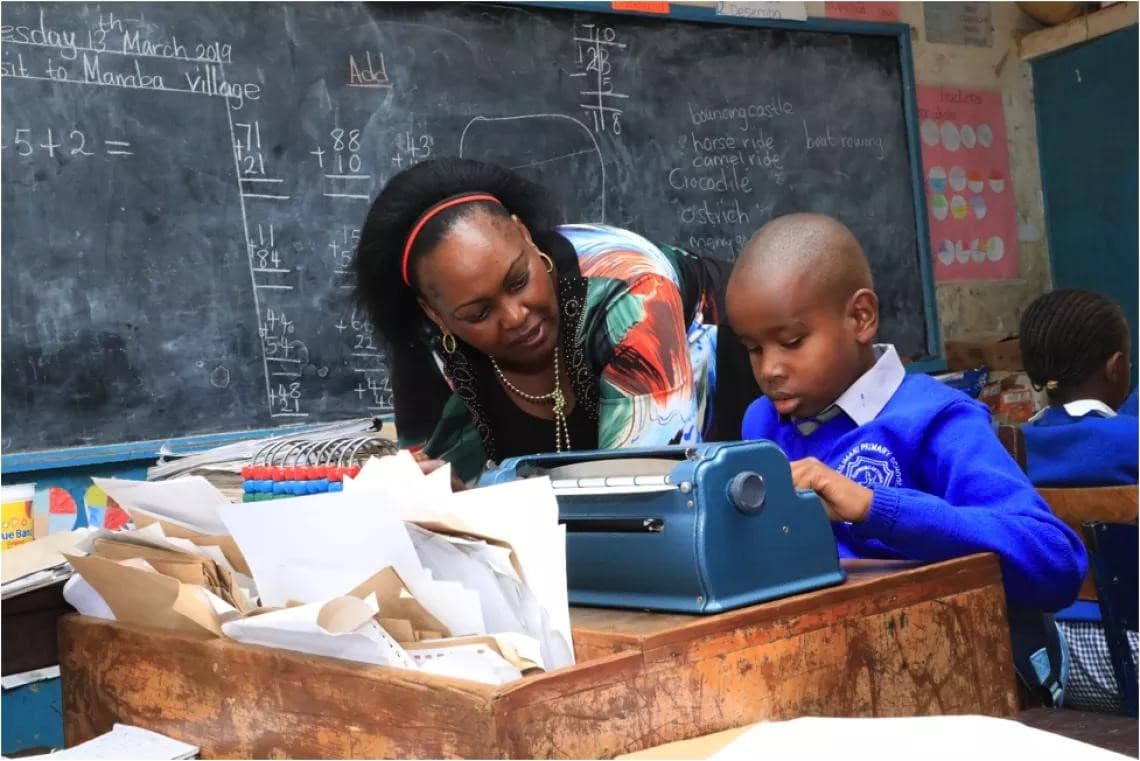
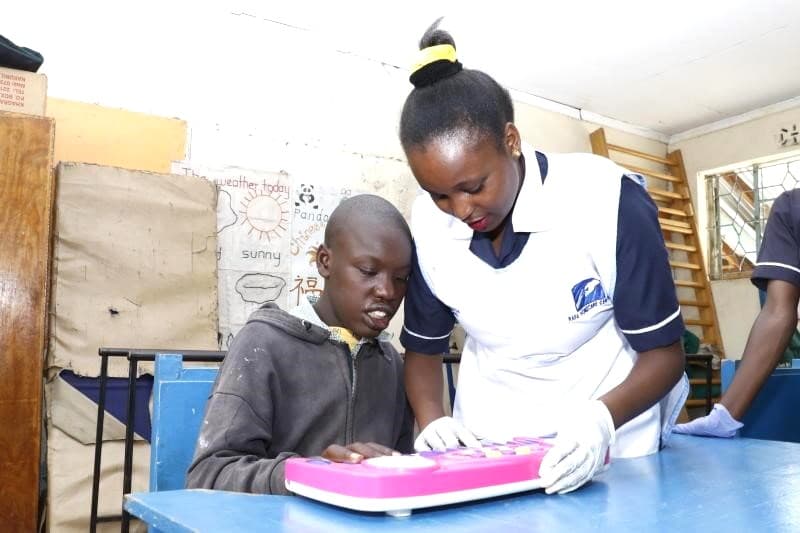
The report titled “Evidence on school-level factors affecting girls’ access to quality education in marginalized communities in Kenya” released on Wednesday reveals that many schools in arid and semi-arid lands (ASALs) and informal settlements lack essential accessibility features such as ramps, adapted toilets and assistive devices conditions that significantly undermine learning for children with disabilities.
The study, carried out across 19 counties, also highlights broader school-level factors that affect girls’ access to quality education, including governance, staffing, sanitation, social norms and disability inclusion. The study was carried out with support from Echidna Giving, Zizi Afrique Foundation JICA,
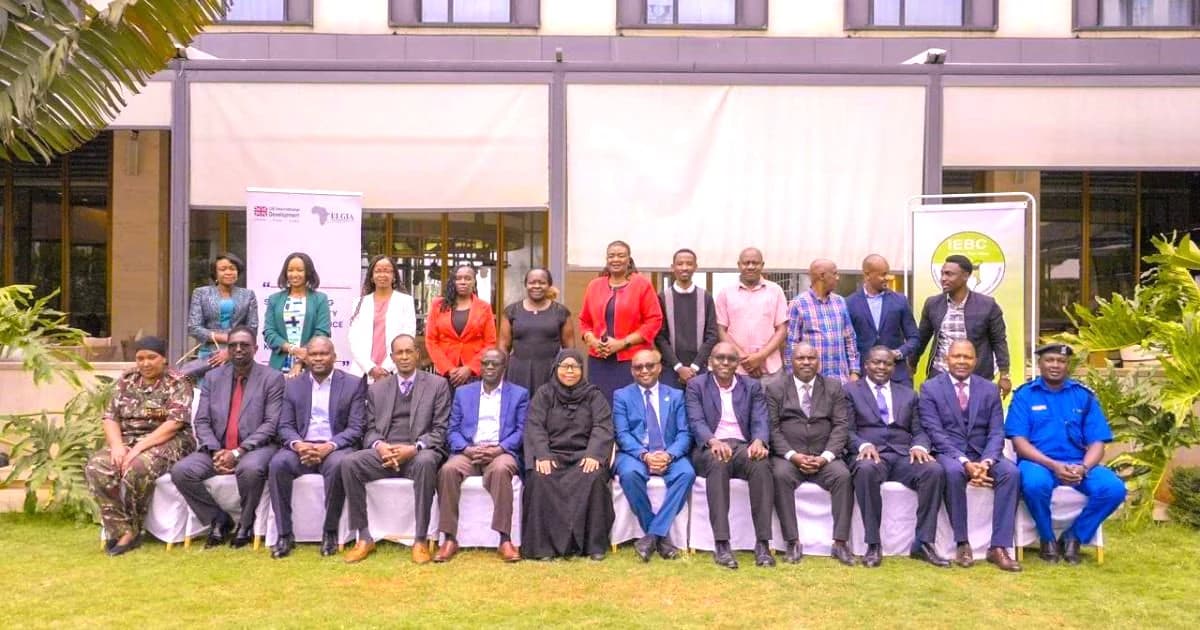
NGEC Chairperson Rehema Jaldesa described the findings as timely, noting that they provide critical insights for policymakers seeking to address persistent inequalities in education.
ALSO READ;
https://educationnews.co.ke/nakuru-senior-school-teachers-retooled-ahead-of-grade-10-cbe-rollout/
According to the Gender Education Status Report 2025 the absence of accessible infrastructure is compounded by a shortage of specially trained teachers. Many learners with disabilities are left in the hands of mainstream teachers who often lack the necessary skills and resources to offer adequate support.
Although Kenya has strong legal frameworks such as the Constitution and the Persons with Disabilities Act the report indicates that implementation remains weak. Social stigma within communities continues to contribute to low enrolment, isolation and high dropout rates among learners with disabilities.
The study further finds that inadequate infrastructure is closely followed by the lack of specialist personnel and limited inclusive learning materials as major obstacles to effective inclusion. Some parents, particularly in low-income households, are reluctant to shoulder the additional costs associated with supporting learners with special needs, adding yet another layer of exclusion.
Education officials interviewed during the study acknowledged that most schools still rely heavily on general teachers and that efforts to modify school environments remain minimal despite existing policies.
Only 13 percent of the schools surveyed reported having curricula that cater to learners with disabilities. A similar proportion offers boarding or physical accommodation facilities, though most lack proper accessibility. As a result, learners with mobility challenges often rely on their peers to navigate classrooms and dormitories that are not designed for their needs. Curriculum inclusion remains limited, largely due to inadequate teacher training and the absence of specialised instructional materials.
ALSO READ;
https://educationnews.co.ke/rift-valley-shake-up-sees-st-teresa-tartar-nakuru-girls-principals-transferred/
Gender considerations in disability inclusion are rarely taken into account, with only 0.02 percent of schools reporting gender-specific challenges.
This gap means critical issues affecting girls with disabilities such as menstrual hygiene management often go unaddressed. Inclusivity levels also vary widely across counties, with Isiolo, Baringo, Laikipia and Tharaka-Nithi performing relatively well, while Narok and Mandera recorded some of the lowest inclusion rates.
The research was conducted in Kwale, Kilifi, Tana River, Garissa, Wajir, Mandera, Isiolo, Meru, Tharaka-Nithi, Kitui, Makueni, Turkana, West Pokot, Samburu, Baringo, Laikipia, Narok, Kajiado and Nairobi City.
NGEC is calling for increased investment in accessible infrastructure, enhanced training of specialised teachers and stronger efforts to combat stigma.
The Commission emphasises that meaningful inclusion for learners with disabilities and improved access to quality education for girls will require sustained, coordinated action across government, communities and advocacy groups.
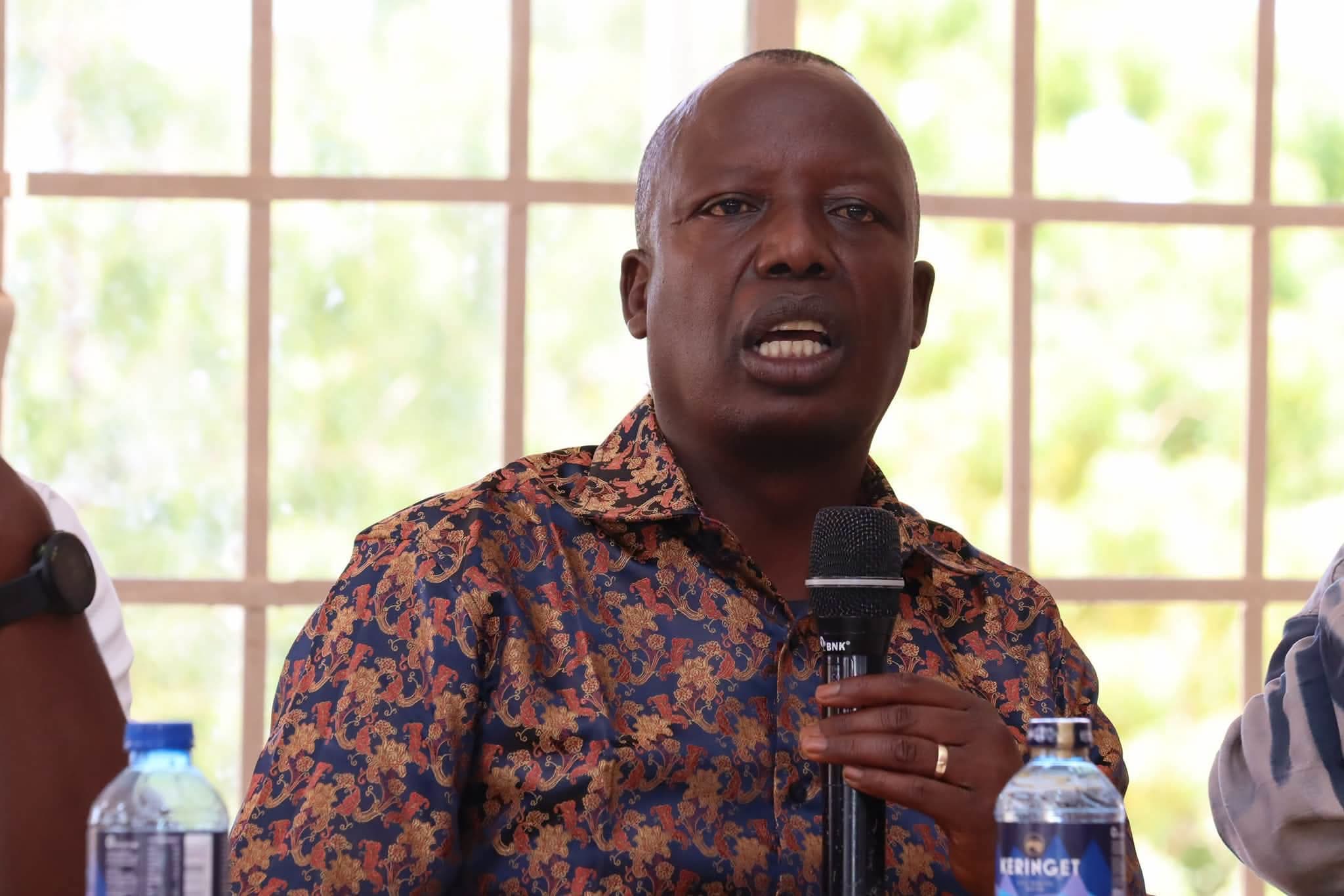
Education Cabinet Secretary Julius Ogamba has affirmed that the government will act on the issues highlighted in the NGEC report to ensure that girls in marginalised communities gain better access to education.
In remarks delivered on his behalf by Director General of Education Dr. Elias Abdi, the CS urged all stakeholders to work together to ensure the successful implementation of the report’s recommendations.
He emphasised that collaborative efforts will be essential in addressing the barriers identified and in strengthening inclusive and equitable education across the country.
By Obegi Malack
You can also follow our social media pages on Twitter: Education News KE and Facebook: Education News Newspaper for timely updates.
>>> Click here to stay up-to-date with trending regional stories
>>> Click here to read more informed opinions on the country’s education landscape
Reader Discussion (0)
Sign in to comment