



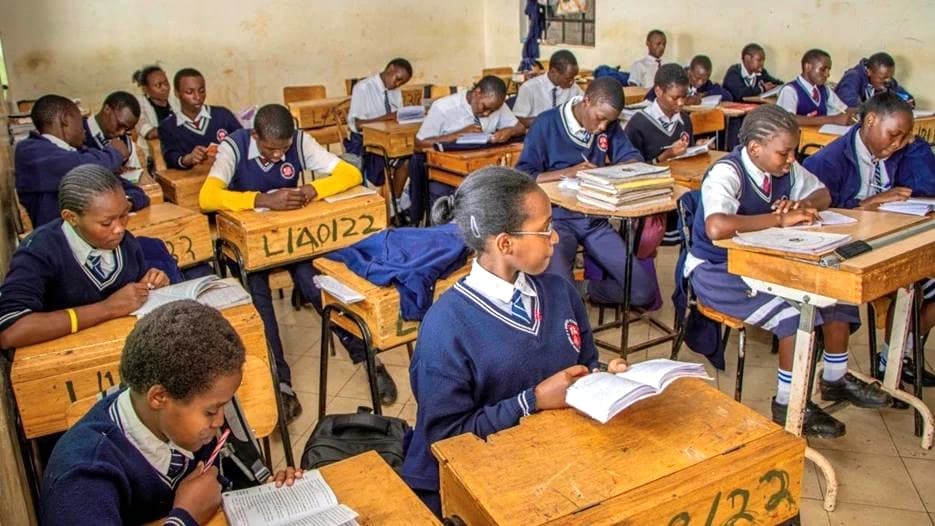


Discipline in the United States exists on a delicate balance between what is considered lawful and reasonable correction and what crosses the line into abuse or unlawful punishment. Across homes, schools, workplaces, and society at large, the methods used reflect legal frameworks, educational philosophies, and evolving cultural values. The goal is rarely to inflict pain; instead, it is to guide, correct, and instil accountability. For Kenya, observing the American experience offers valuable lessons in shaping discipline policies that are fair, effective, and humane.
In American schools, maintaining a safe and productive learning environment is the top priority. Most schools rely on non-violent disciplinary methods such as verbal warnings, detention, or temporary suspension for rule violations. Expulsion is reserved for serious offences such as violence, weapons possession, or drug-related incidents. Increasingly, schools employ restorative practices, allowing students to understand the consequences of their actions and take steps to repair harm.
In a small number of states—mostly in the South and rural areas—corporal punishment remains legal under strict rules. These states include Alabama, Arkansas, Florida, Georgia, Kentucky, Louisiana, Mississippi, Missouri, North Carolina, Oklahoma, South Carolina, Tennessee, and Texas. In these states, corporal punishment typically involves paddling and is generally limited to elementary and middle school students. Even in these areas, its use is rare and closely monitored to prevent injury. The majority of U.S. states have banned corporal punishment entirely, reflecting concerns over its harmful effects on children’s mental and behavioural development.
Parental discipline in the U.S. has also shifted over time. All fifty states allow parents to use mild physical discipline, such as spanking or slapping. Still, the law draws a clear boundary: any punishment that leaves marks, causes injury, or creates emotional harm is classified as child abuse and can trigger intervention by Child Protective Services or criminal prosecution. Modern parenting increasingly favours alternatives like time-outs, grounding, loss of privileges, natural consequences, and positive reinforcement, reflecting a broader cultural move away from corporal punishment and toward methods that teach responsibility and self-control.
Workplace discipline in the U.S. emphasises structure and legal compliance. Minor infractions typically result in verbal or written warnings, while repeated or serious misconduct can lead to performance improvement plans, suspension, reassignment, or termination. Most employment is “at-will,” giving employers broad discretion, but all disciplinary measures must comply with labour laws, anti-discrimination statutes, and union agreements. Physical punishment in workplaces is entirely illegal, with any threat or assault carrying criminal consequences.
Beyond homes and workplaces, society enforces discipline through the legal and criminal justice system. Minor offences may result in fines, community service, or probation, while serious crimes can lead to incarceration. Some offenders participate in rehabilitative programs or restorative justice initiatives to understand the impact of their actions and make amends. Juvenile and adult detention facilities strictly prohibit corporal punishment, as the U.S. Supreme Court has affirmed that punitive physical discipline in state-run institutions violates constitutional protections against cruel and unusual punishment.
The American experience demonstrates that effective discipline relies on proportionality, fairness, and respect for individual rights. Physical punishment, when it occurs, is highly restricted and carefully regulated. Modern American discipline increasingly emphasises non-violent, restorative, and educational approaches, reflecting the belief that the best discipline teaches and restores rather than instils fear or pain.
School Discipline: From Corporal Punishment to Restorative Practices
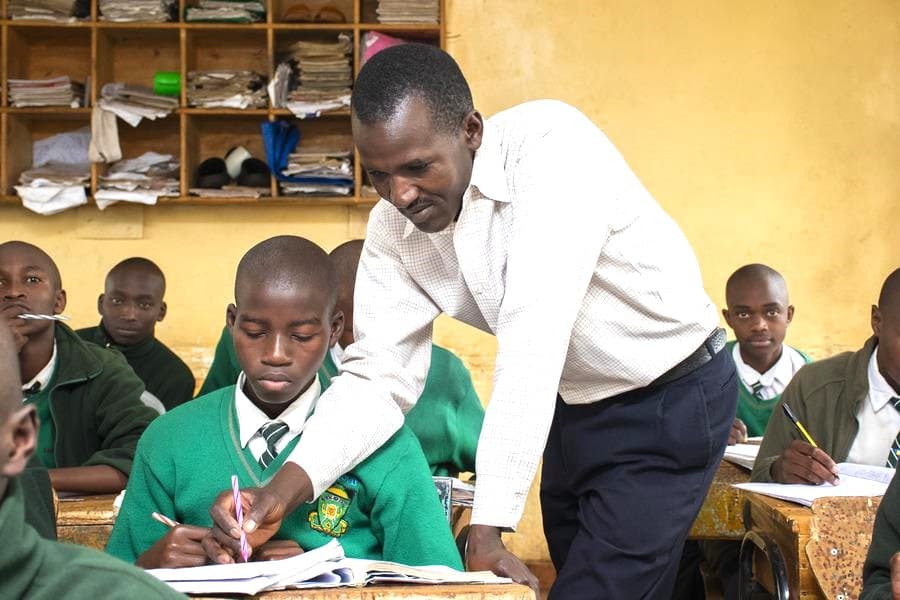
Kenya has officially adopted a similar legal stance on corporal punishment, aiming to eliminate its use in both schools and homes. Under the Children Act (2001, revised 2022), corporal punishment is prohibited in all schools, and parents are legally restricted from using physical punishment that causes harm or injury. Teachers who violate this law can face disciplinary action or criminal charges, and parents may also be investigated by Child Protective Services or law enforcement if punishment crosses the line into abuse. Despite the legal ban, reports from organisations like UNICEF Kenya and the Kenya National Commission on Human Rights (KNCHR) indicate that corporal punishment persists in some schools and households, particularly in rural or under-resourced areas. Cultural acceptance, large class sizes, and a lack of training in non-violent methods contribute to this continued practice.
The Kenyan Ministry of Education has been promoting alternative disciplinary measures, such as counselling, detention, positive behavioural interventions, and restorative practices, that encourage students to reflect on and repair the harm caused by their actions. Parents are similarly encouraged to adopt non-violent strategies, including time-outs, grounding, loss of privileges, natural consequences, and positive reinforcement. Kenya’s commitment is further reinforced by international agreements such as the United Nations Convention on the Rights of the Child (CRC), which emphasises children’s rights to protection from physical and psychological harm.
For Kenya, the lessons from the American experience are clear. First, it is essential to draw a sharp line between lawful and unlawful punishment, ensuring that both schools and homes apply discipline consistently, proportionally, and legally. Second, adopting non-violent and restorative approaches—including mediation, counselling, and structured behaviour agreements—can help reduce the persistence of corporal punishment. Third, emphasising due process and fairness in disciplinary procedures protects students’ and employees’ rights while maintaining order. Fourth, parental guidance should prioritise constructive methods that teach responsibility without physical harm. Finally, discipline should educate and rehabilitate rather than punish, fostering accountability and positive development among children, students, and
READ ALSO: St Peters Seminary-Mukumu learners urged to maintain discipline for academic excellence
In conclusion, both the U.S. and Kenya highlight the delicate balance between lawful correction and abuse, showing that effective discipline is not about inflicting fear or pain but about guiding, supporting, and restoring. Kenya can learn from America’s experience to create safer schools, supportive homes, and a society where discipline empowers individuals to grow and learn from their mistakes, rather than fear the consequences.
By Hillary Muhalya
You can also follow our social media pages on Twitter: Education News KE and Facebook: Education News Newspaper for timely updates.
>>> Click here to stay up-to-date with trending regional stories
>>> Click here to read more informed opinions on the country’s education landscape



Reader Discussion (0)
Sign in to comment