





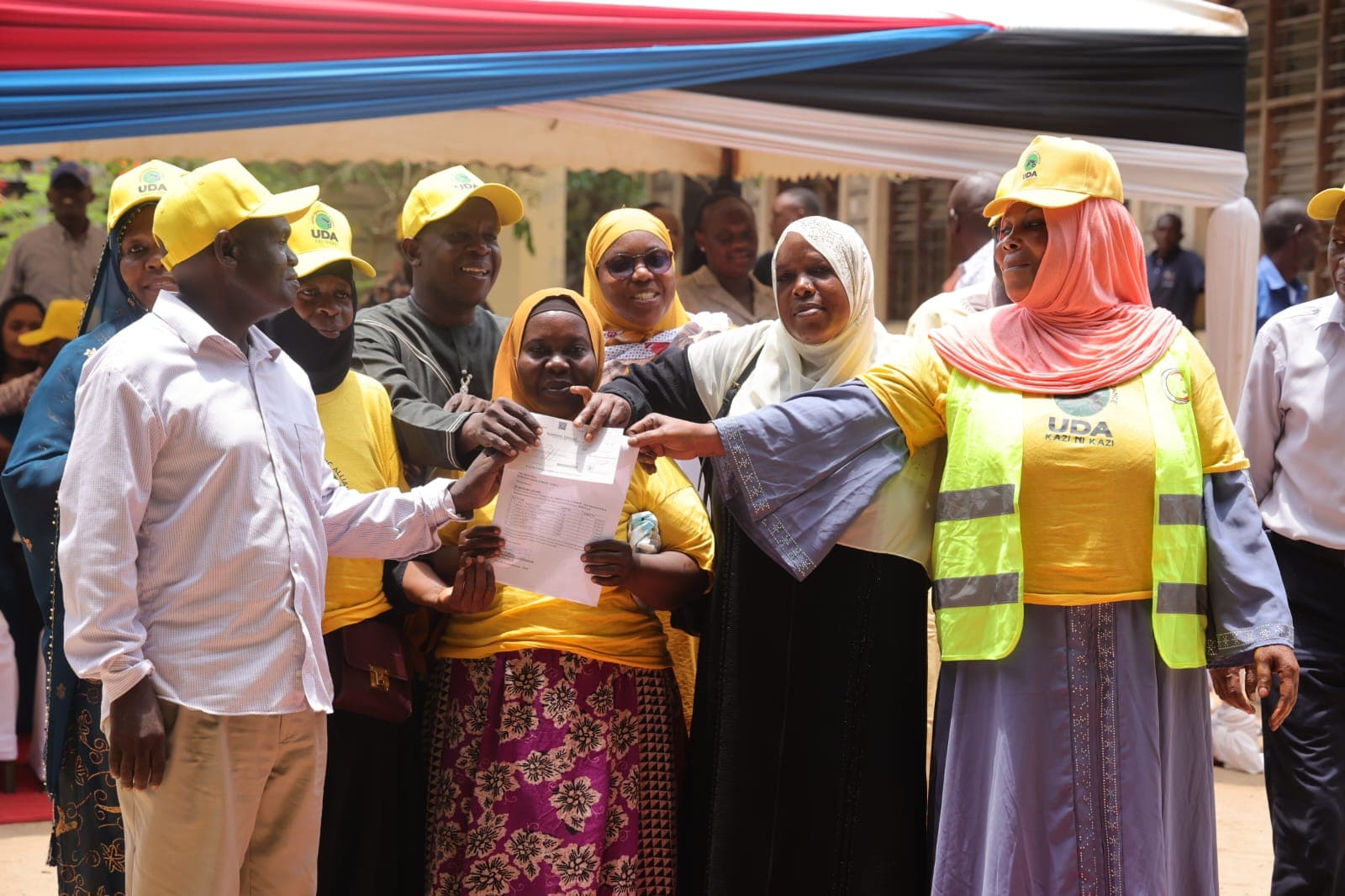
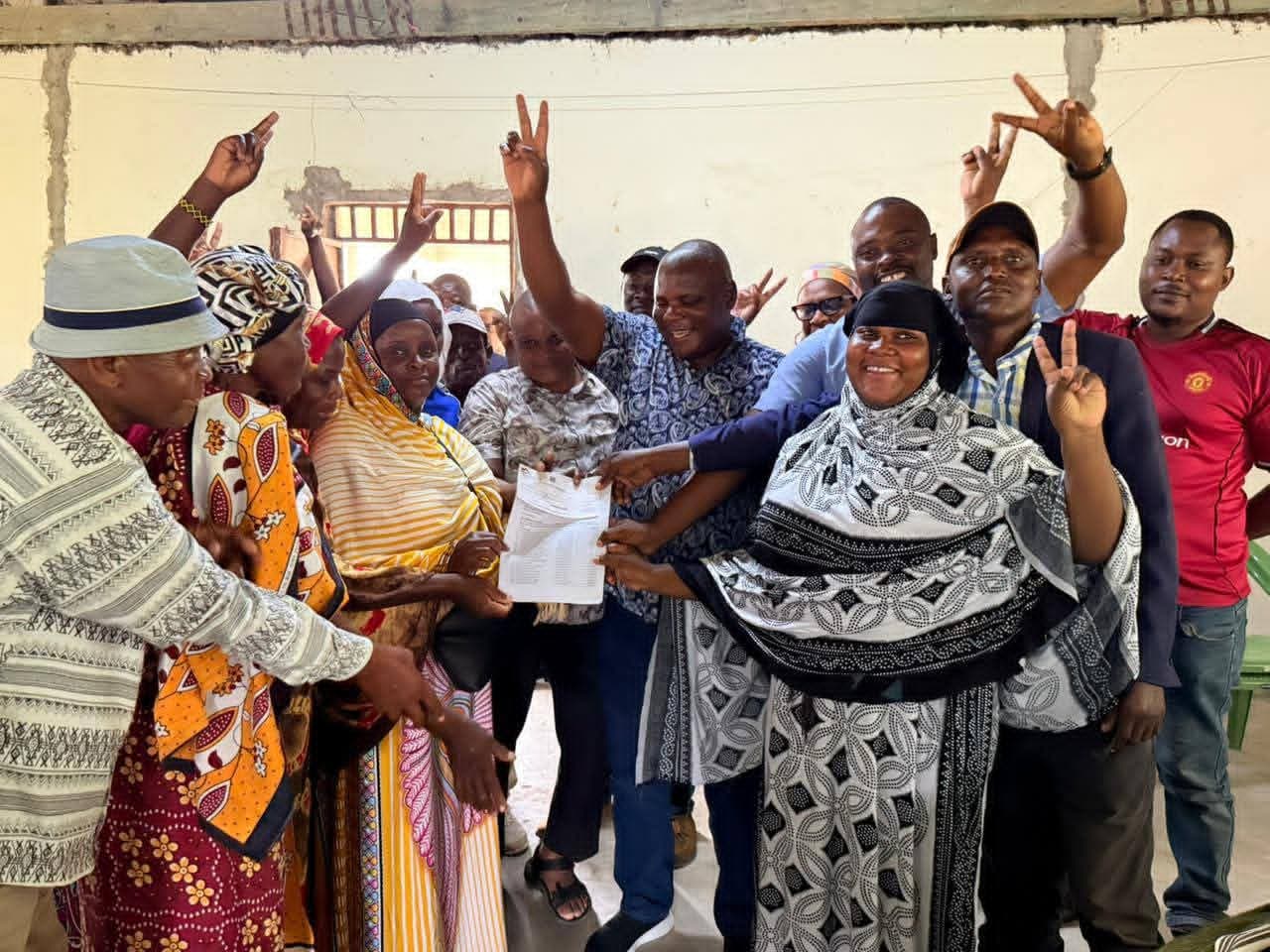
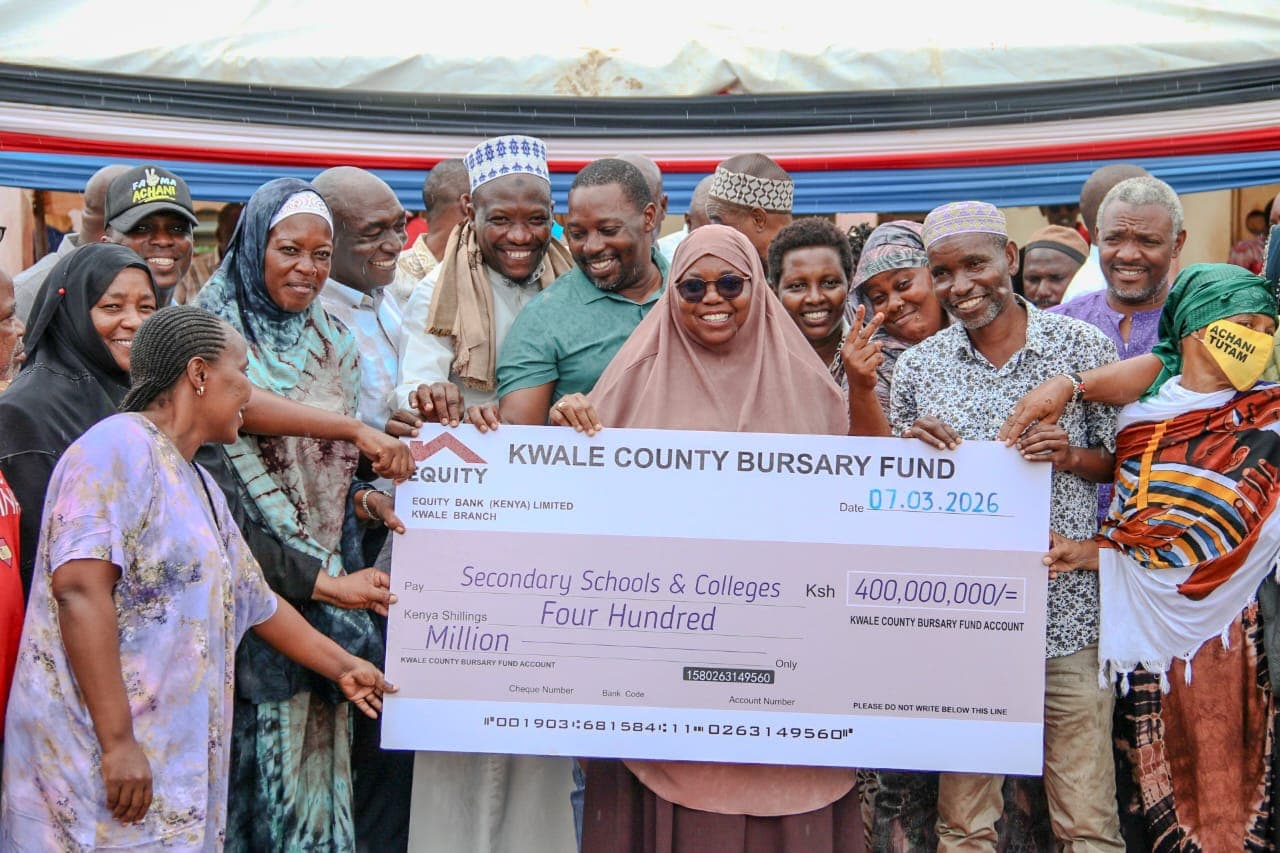
Another batch of 4,018 needy students has received bursaries worth KSh34.4 million from the Kwale County Government as efforts to enhance access to education intensify.
The latest disbursement is part of the county’s ongoing commitment to ensure that learners from disadvantaged backgrounds are not locked out of school due to financial hardship.
The funds target secondary school students and learners with special needs across the county.
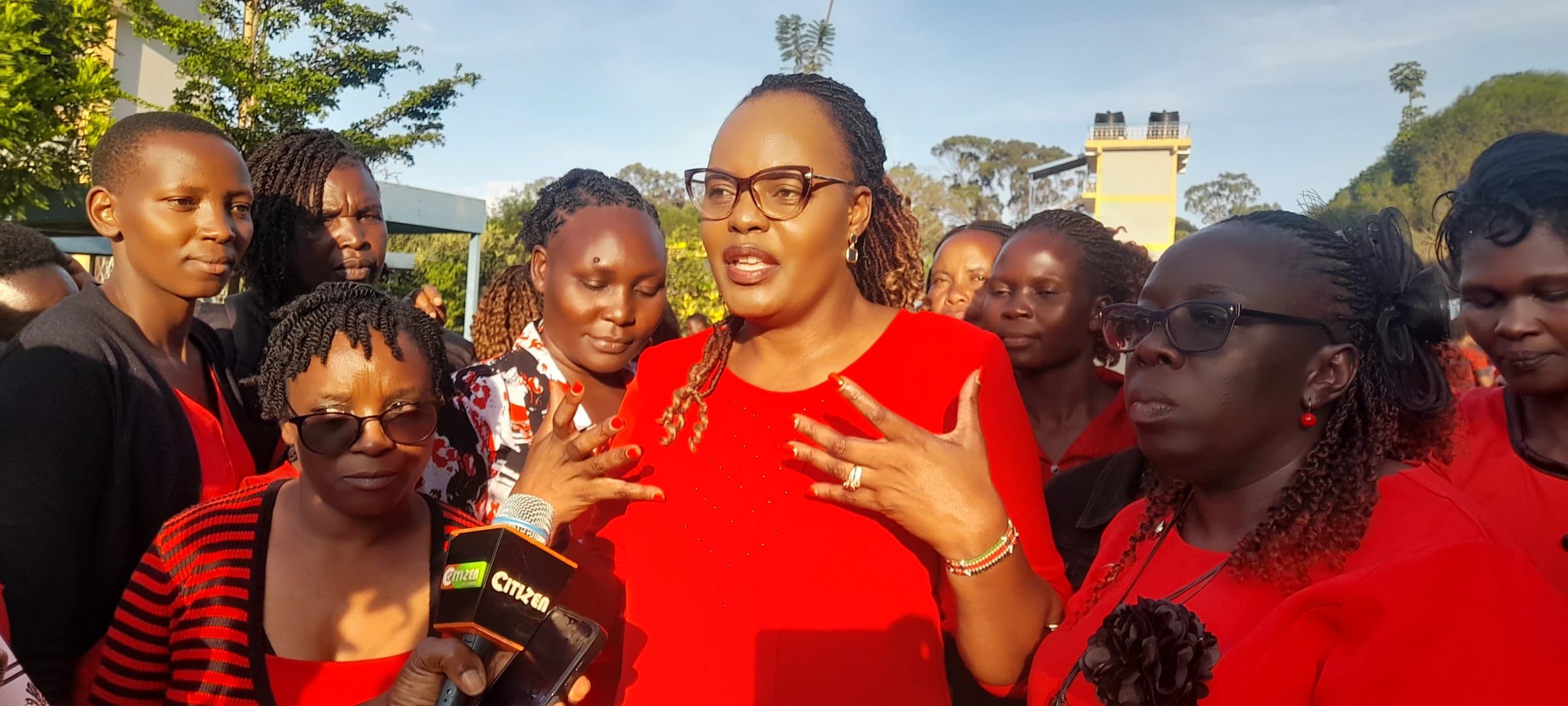
Speaking during the issuance of cheques to beneficiaries in Matuga Sub-county, Governor Fatuma Achani reaffirmed her administration’s dedication to promoting inclusive education.
“Education remains one of the key pillars of my development agenda,” she said.
She added that the bursary programme is designed to ease the financial burden on struggling families and guarantee continuous learning for all.
ALSO READ:
https://educationnews.co.ke/oyuu-bars-non-members-from-knut-race-invokes-labour-law-ahead-of-april-polls/
Achani noted that empowering learners through education is one of the most effective ways for the county to break the cycle of poverty and stimulate socio-economic growth.
She emphasized that no child in Kwale should be forced to drop out of school due to a lack of fees.
The governor revealed that the county has strengthened its vetting mechanisms to ensure that only truly needy cases benefit from the bursary fund.
She said this approach has enhanced transparency and boosted public confidence in the programme.
The governor urged beneficiaries to remain focused on their studies and make the most of the opportunity presented to them.
She further encouraged parents to support their children’s academic journeys by ensuring close monitoring and guidance at home.
Achani also cautioned residents against what she termed as malicious propaganda being spread by the opposition regarding the bursary programme.
She said certain individuals were attempting to undermine the initiative by misleading the public for political gain.
She dismissed the claims as baseless, insisting that the bursary distribution process remains transparent, free and fair, and is not influenced by political affiliations.
“The bursary is for every deserving child in Kwale, whether their parents voted for me or not. Do not listen to them. They want to poison the bursary programme, but they will not succeed,” she said.
Achani vowed to continue supporting needy students and ease the burden of school fees on parents, especially during these harsh economic times.
Achani urged residents to focus on unity and development rather than political distractions, adding that her administration’s priority is ensuring that no learner is left behind.
ALSO READ:
https://educationnews.co.ke/labour-court-stops-implementation-of-psc/
She encouraged communities to verify information through official channels instead of falling for rumours aimed at derailing progress.
The latest disbursement brings the total number of beneficiaries under the county bursary programme to more than 30,000 secondary school students and over 10,000 university learners since the initiative was launched in 2013.
Tiwi Ward Ali Mwachivyomo welcomed the bursary programme, saying it has significantly supported families struggling to keep their children in school.
“This bursary initiative by Governor Achani has brought relief to many families in Kwale. Many bright students were at risk of dropping out due to lack of fees, but today they can continue with their education,” he said.
Swaleh Vyombo, a beneficiary of the Elimu ni Sasa Initiative, expressed gratitude to the county government, noting that the assistance had come at a crucial time when many households are grappling with financial difficulties.
“We are very grateful to the governor and the county government. Paying school fees has been very difficult for many of us, but this bursary will help children stay in school and focus on their studies,” he said.
By Shaban Omar
You can also follow our social media pages on Twitter: Education News KE and Facebook: Education News Newspaper for timely updates.
>>> Click here to stay up-to-date with trending regional stories
>>> Click here to read more informed opinions on the country’s education landscape


Reader Discussion (0)
Sign in to comment