




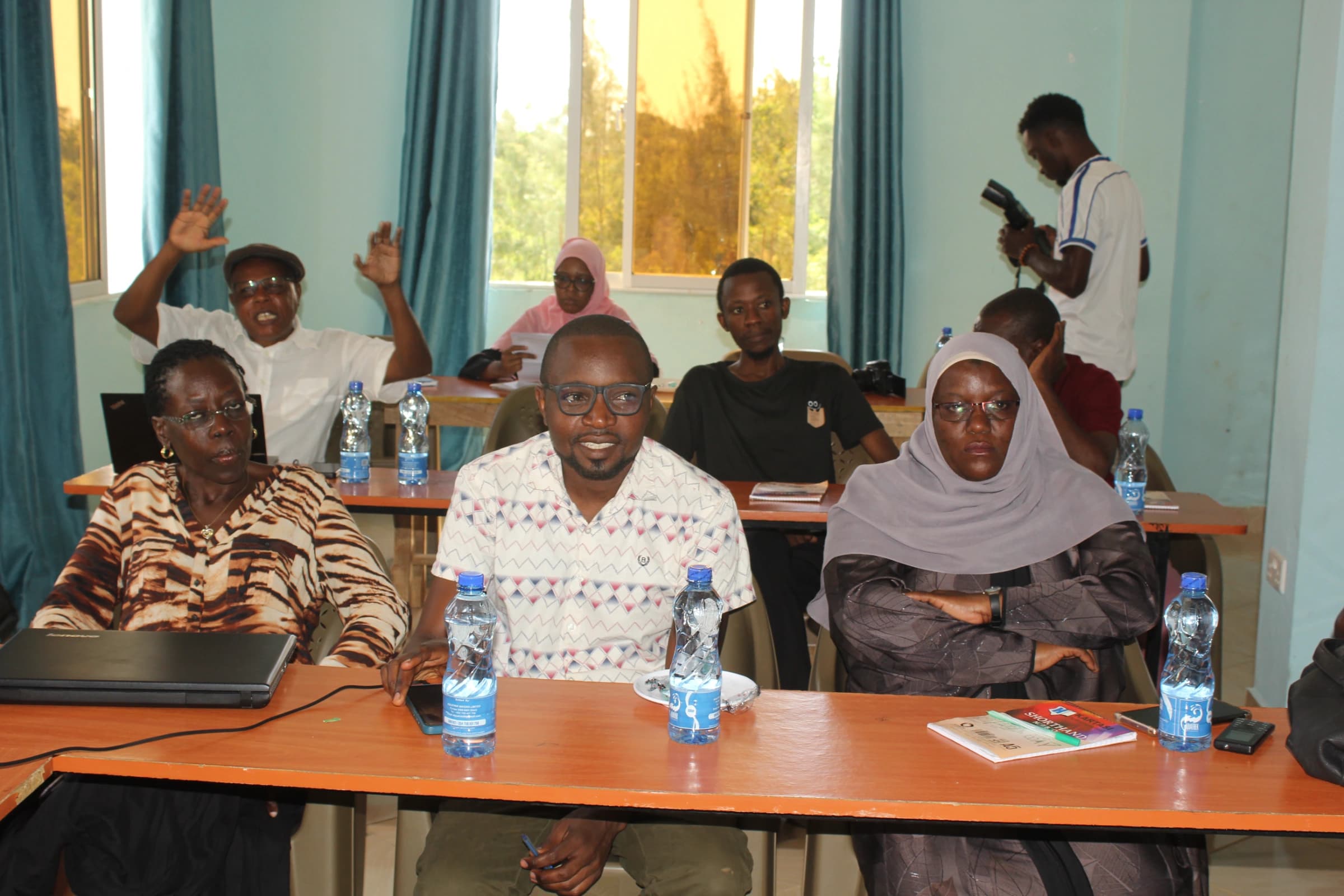
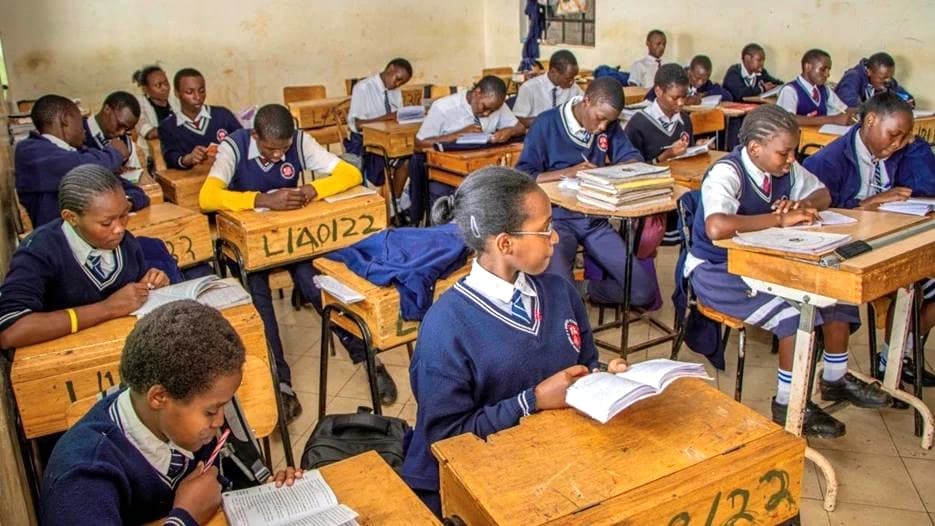

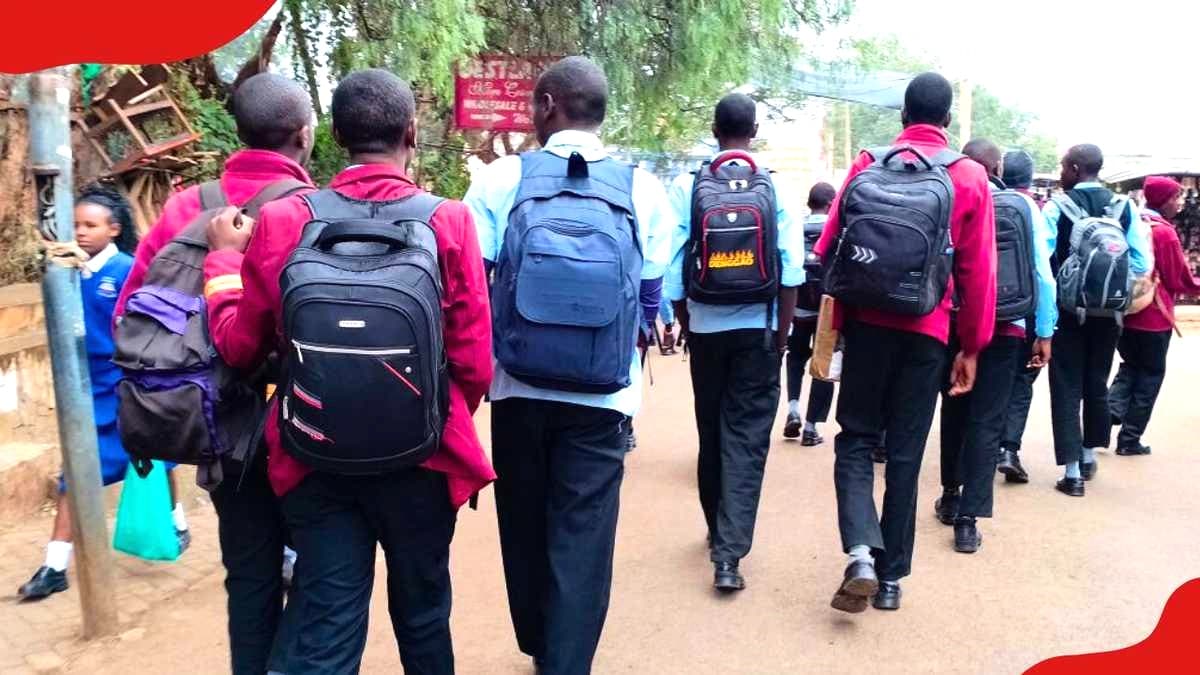
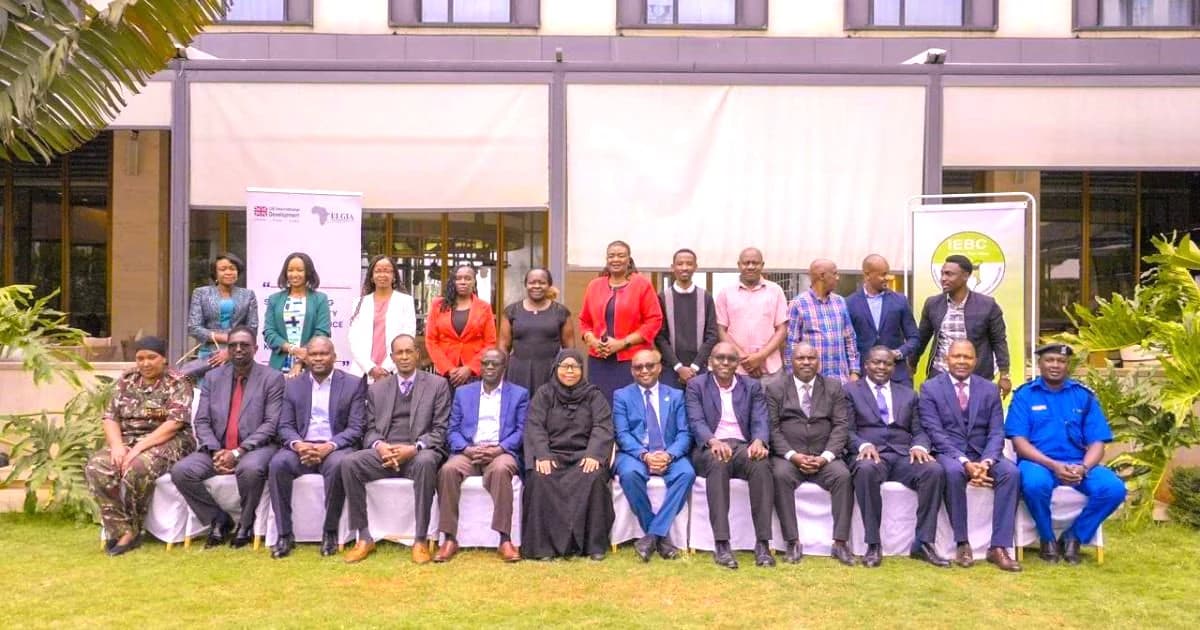
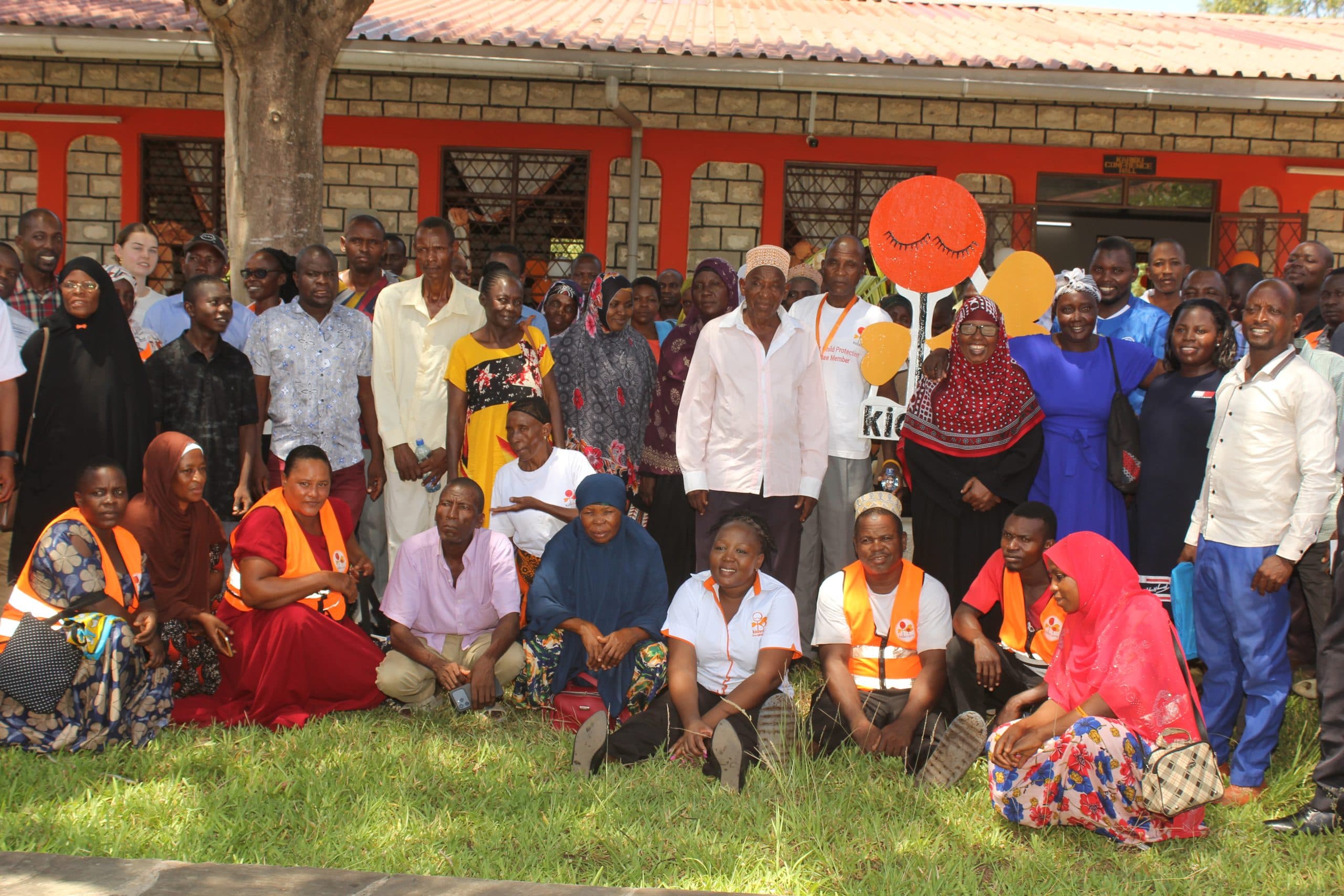
Families raising children with disabilities in Kwale County are reporting improved access to education following the introduction of a community-led beekeeping project aimed at strengthening household incomes.
The programme known as the Kenya Homecare and Beehive has so far benefited about 3,000 children with disabilities in Lunga-Lunga through support to their families.
The initiative launched in 2020 by Kids Care Kenya, a child support non-governmental organisation based in Lunga-Lunga, in partnership with the Mombasa Rotary Club as well as county and national government agencies, has seen education enhanced in the region.
Community local made honey in Lunga-Lunga sub-county, Kwale County
The pilot project began as an inclusive agriculture initiative aimed at providing sustainable livelihoods to vulnerable households, and was introduced at the height of the Covid-19 pandemic when many families, particularly those raising children with disabilities, faced severe economic hardship.
At least 200 farmers were trained and equipped with beekeeping materials and technical skills to establish and manage apiaries.
The initiative implemented in Lunga-Lunga sub-county, supports vulnerable families through honey production, enabling them to meet school-related costs such as fees, uniforms and learning materials.
Residents say the income generated from honey production has enabled many families to keep their children in school.
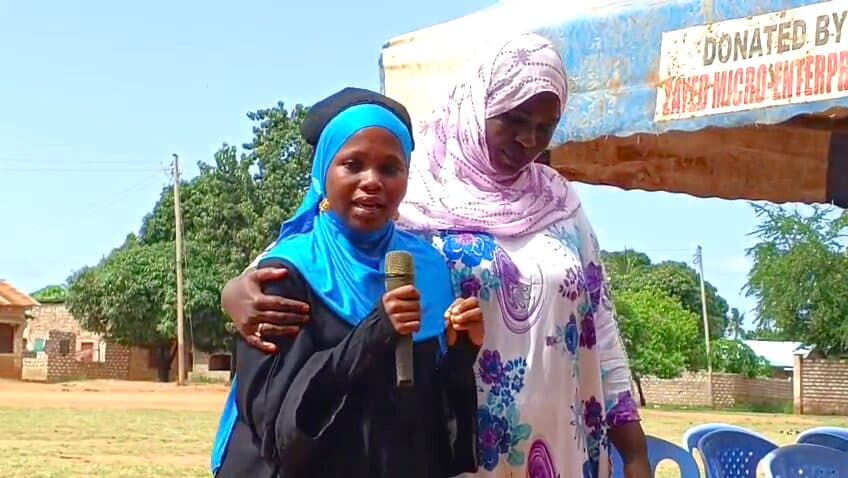
Hadija Hassan from Tingani village said the initiative has transformed her household’s financial stability.
ALSO READ:
https://educationnews.co.ke/teachers-medical-cover-at-risk-as-tsc/
“At first we doubted the project, asking ourselves how these small creatures would benefit us, but we were wrong. We are now harvesting a lot of honey,” she said.
Hassan said the income from honey sales has helped her support her child’s education and improve the family’s living standards.
She noted that before the project, many parents struggled to afford school fees, forcing some children to stay at home.
“We used to go through so much hardship. Our children stayed home because we couldn’t afford their school fees, but now those struggles are things of the past,” she said.
The additional income has also encouraged some families to venture into other small businesses to supplement their earnings.
According to Hassan, some community members have started soap-making enterprises and small juice and water-selling businesses.
Hamadi Shoka from Mwambao village said the project has significantly improved livelihoods in the area.
“We are proud of this initiative. It is not easy, but once you give it your all, it is worth the risk,” he said.
Shoka said many families now use the proceeds from honey sales to cover school expenses and other household needs.
ALSO READ:
https://educationnews.co.ke/kirinyaga-jss-teacher-died-from/
He added that farmers were also trained to construct their own beehives locally, reducing production costs and increasing honey output.
George Baya of Kids Care Kenya said the project initially targeted 24 villages but the organisation is now planning to expand it to 96 villages due to the positive results.
Baya said the programme goes beyond honey production and also equips farmers with business and financial management skills.
He said beneficiaries are also supported to form cooperatives to strengthen marketing and ensure sustainability.
Baya noted that strengthening household incomes is key to improving child protection and education outcomes.
“For a child to be safe, they must have access to education, health and a decent life. Communities can only provide that if they have stable sources of income,” he said.
He added that the organisation has already begun implementing the second phase of the programme to reach more vulnerable communities across the county.
Mombasa Downtown Rotary Club Rotarian Nancy Wangila said the partnership with Kids Care Kenya aims to empower vulnerable families.
Wangila said the collaboration brings together different stakeholders committed to improving livelihoods and ensuring children with disabilities access education.
By Shaban Omar
You can also follow our social media pages on Twitter: Education News KE and Facebook: Education News Newspaper for timely updates.
>>> Click here to stay up-to-date with trending regional stories
>>> Click here to read more informed opinions on the country’s education landscape


Reader Discussion (0)
Sign in to comment