

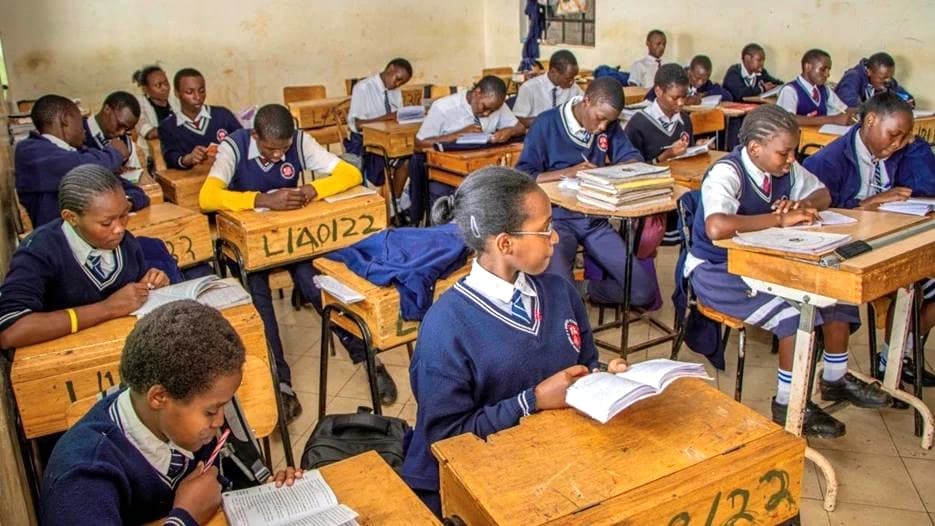



The Kenya National Examinations Council (KNEC) has announced the planned roll out of dedicated assessment hubs in senior schools nationwide. This initiative is timed ahead of the transition of Grade 9 learners into Senior School in January 2026, therefore marking a critical step in modernizing learning and streamlining student evaluation under the Competency-Based Education (CBE) model.
KNEC Chief Executive Officer David Njeng’ere explained that the decision to expand the hub model builds upon the successful implementation of 235 Junior School assessment hubs and the operational efficiency of the recently established Research, Innovation and Educational Assessment Resource Centre (RIEARC).
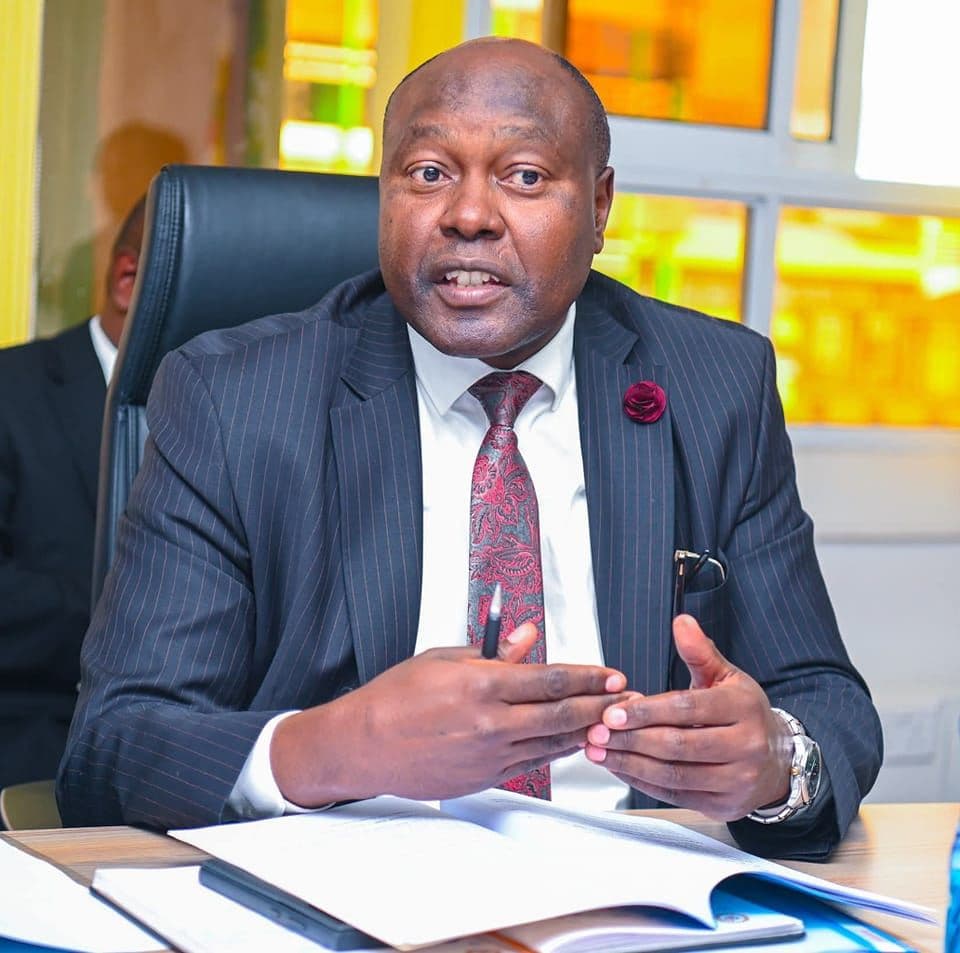
“Kenya is entering a phase that demands new thinking, new tools and new approaches to evaluating learners’ skills,” Njeng’ere stated. He clarified that the new hubs are designed to form the backbone of a more inclusive, equitable, and skills-oriented education system, valuing knowledge application, skills demonstration, creativity, and real-world performance over rote memorization.
“By combining practical evaluation, teacher capacity building and innovation platforms, the hubs promise to transform the way learning and assessment are conducted in the country,” Njeng’ere added.
ALSO READ:
https://educationnews.co.ke/trans-nzoia-kuppet-knut-aspirants-turn-to-politicians-for-nomination-campaign-funds/
These hubs which are essential for supporting continuous, practical, and skills-based assessment, depart sharply from the traditional 8-4-4 system’s exam-centred model as they will host practical assessments for subjects like robotics, laboratory sciences, agriculture, music, drama, and technical and vocational skills, areas where many schools often lack necessary facilities or expertise.
Furthermore, the hubs will serve as central moderation points to verify and standardize School-Based Assessment (SBA) scores, ensuring quality control, fairness, and the secure handling of assessment evidence.
The model recognizes the diverse talents of learners across the three Senior School pathways: Science, Technology, Engineering and Mathematics (STEM), Social Sciences, and Creative & Performing Arts and Sports Science.
The hubs are envisioned as “innovation incubators.” Teachers will use them to experiment with new rubrics and project-based learning approaches and will receive ongoing mentorship and professional learning sessions to build proficiency in pathway-specific assessments.
This framework also strengthens inclusivity by integrating 30 special schools offering the Stage-Based Curriculum at the vocational level, guaranteeing equitable support for all learners.
ALSO READ:
https://educationnews.co.ke/what-kenyan-teachers-must-learn-from-zimbabwes-shocking-defilement-case/
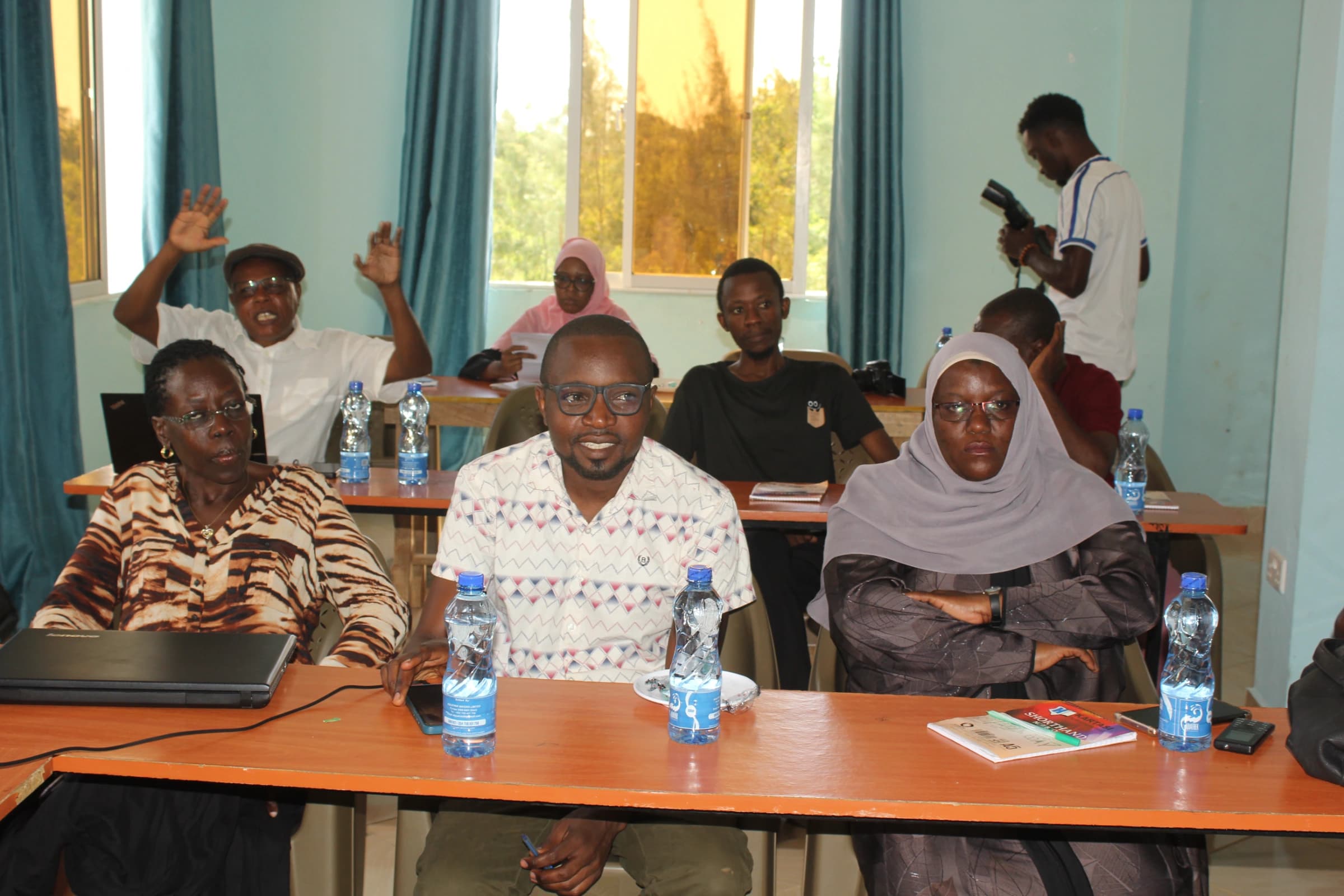
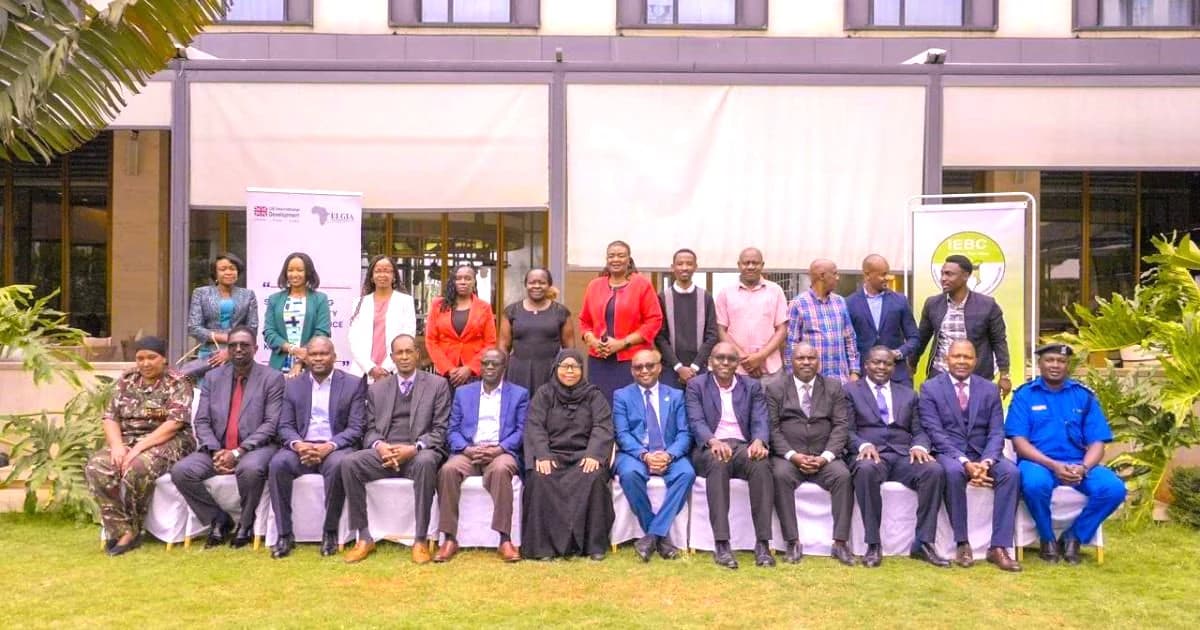
During a sensitisation workshop, principals and teachers received crucial training on hub operations, assessment registration, and scoring systems.
Basic Education PS Julius Bitok lauded the initiative, describing it as a visionary step aligned with Kenya’s long-term educational goals. “Unlike the 8-4-4 system, which focused on exams, the CBE model promotes holistic development. We no longer test only what students can remember; we are assessing what they can do,” Bitok said.
Njeng;ere urged teachers to embrace their roles as “assessment champions” and mentor their colleagues as the country transitions to the Grade 10 assessments and beyond, highlighting the potential for these hubs to become regional centres for teacher development across East Africa.
By Masaki Enock
You can also follow our social media pages on Twitter: Education News KE and Facebook: Education News Newspaper for timely updates.
>>> Click here to stay up-to-date with trending regional stories
>>> Click here to read more informed opinions on the country’s education landscape

Reader Discussion (0)
Sign in to comment