






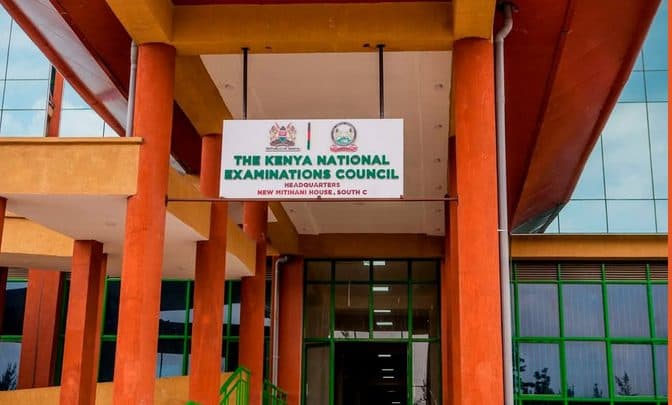
As of March 2026, the issue of delayed payments to invigilators and supervisors by the Kenya National Examinations Council (KNEC) has evolved into a matter of growing concern within the education sector.
What should have been a straightforward post-examination process has instead become a prolonged period of waiting, uncertainty, and quiet frustration for thousands of teachers who diligently carried out their duties during national examinations.
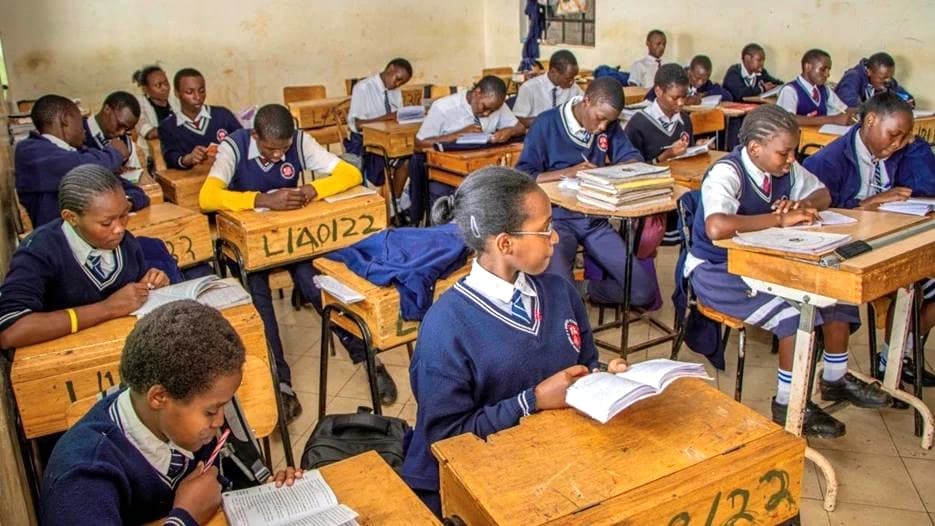
Across the country, teachers who served as invigilators and supervisors during key national assessments, ranging from primary to secondary levels, have found themselves in a familiar but troubling position: waiting for payment long after their work was completed. These professionals, entrusted with safeguarding the integrity of national examinations, fulfilled their responsibilities under strict conditions, often working long hours with precision and vigilance. Yet, months later, many are still checking their phones and bank accounts with hope that has yet to be fulfilled.
There are, however, signs of movement. Some payments have begun to trickle through, offering a glimmer of hope to those still waiting. Reports emerging from various regions indicate that a number of teachers have indeed received their dues. This confirms that the payment process is underway. However, the progress appears uneven and inconsistent, with a significant number of invigilators and supervisors yet to receive anything. The situation, therefore, is not one of complete inaction, but rather one of slow and fragmented implementation.
RELATED:
https://educationnews.co.ke/kuppet-threatens-exam-marking-boycott-over-unpaid-dues-demands-binding-agreement-with-knec/
At the core of the delay lies a complex interplay of financial and administrative challenges. KNEC, like many public institutions, relies heavily on allocations from the National Treasury to meet its financial obligations. When these funds are delayed or released in phases, the ripple effect is felt immediately. Payments to contracted personnel, including invigilators and supervisors, are often among the first to be affected. In this case, the need for supplementary budget approvals has further slowed the release of funds, pushing timelines beyond what teachers had reasonably expected.
The financial strain facing KNEC has been a subject of discussion in recent times. The council has been grappling with increasing operational costs, driven by the expanding scope of national examinations under the Competency-Based Education (CBE) system. With more assessments being administered across different levels, the demand for personnel has grown significantly. This, in turn, has increased the financial burden associated with paying invigilators, supervisors, and examiners. Without a corresponding and timely increase in funding, delays become almost inevitable.
Beyond funding issues, administrative bottlenecks have also contributed to the slow pace of payments. In some cases, discrepancies in submitted details have caused delays for individual teachers. Errors such as mismatched names, incorrect identification numbers, or inconsistencies in mobile payment details have forced the system to flag and withhold payments pending verification. For teachers affected by such issues, the delay becomes even more frustrating, as it often requires follow-ups and corrections that take additional time to process.
There have also been instances where incomplete documentation has stalled the payment process. Attendance records, which serve as proof of participation in examination duties, are critical in determining eligibility for payment. Where such records are missing, inaccurate, or not properly submitted, the processing of payments is delayed. This points to a broader issue of coordination and communication between examination centers, supervisors, and the central processing system.
Technology, which is often expected to streamline processes, has not been without its challenges. Concerns have been raised about inefficiencies within KNEC’s digital systems, particularly in relation to data capture and verification. While digital platforms are intended to improve accuracy and speed, any system glitches or integration issues can instead slow down the entire process. For teachers waiting to be paid, these technical challenges translate into prolonged uncertainty.
ALSO READ:
https://educationnews.co.ke/tsc-launches-review-of-career-progression-guidelines-amid-teacher-stagnation-concern/
For the affected professionals, the delay is not merely an administrative inconvenience; it has real economic implications. Many teachers depend on these payments to meet personal and family obligations. The extra income earned from invigilation and supervision is often planned for in advance, used to cover essential expenses such as school fees, rent, or daily household needs. When payments are delayed, it disrupts financial planning and places additional strain on individuals who are already working within limited means.
Moreover, the delay raises questions about the value placed on the role of invigilators and supervisors within the education system. These are individuals who ensure that national examinations are conducted fairly and credibly. Their presence in examination rooms is a safeguard against malpractice, a guarantee that results reflect genuine student performance. When such critical work is not compensated promptly, it sends an unintended message about how their contribution is perceived and prioritized.
The psychological impact of delayed payments should also not be underestimated. Teachers who feel undervalued or neglected may become less motivated to take up similar roles in the future. This could have long-term implications for the examination system, which relies heavily on the willingness of teachers to step into these additional responsibilities. If confidence in the system erodes, it may become increasingly difficult to recruit experienced and committed personnel for future examination cycles.
The situation also underscores the need for better planning and financial management within the examination framework. National examinations are not unexpected events; they occur annually and follow a predictable schedule. As such, the resources required to conduct them—including payments to personnel—should be factored into budgetary planning well in advance. Ensuring that funds are available and disbursed on time would go a long way in preventing the kind of delays currently being experienced.
In simple terms, the current situation can be summarized as follows: payments have started, but they have not been completed. The process is ongoing, but it is moving more slowly than expected. While some teachers have received their dues, many others remain in limbo, unsure of when their turn will come. The uneven nature of the disbursement has only heightened anxiety, as those who have not been paid are left wondering whether their cases have been overlooked or delayed for specific reasons.
Importantly, voices from within the profession are beginning to reflect this mixed reality. Some engaged professionals have confirmed that they have started receiving payments, offering evidence that the system is indeed processing disbursements. At the same time, others have openly stated that they have not received anything, highlighting the inconsistency that defines the current situation. This contrast captures the essence of the problem—not a complete failure, but a process that is incomplete and uneven.
As the days progress, attention will increasingly turn to how quickly KNEC can resolve the remaining payments. Teachers are not only seeking their dues but also looking for assurance that such delays will not become a recurring feature of the examination process. Addressing the current backlog is important, but preventing future occurrences is equally critical.
Ultimately, the issue of delayed payments to invigilators and supervisors is a reminder of the human element at the heart of the education system. Behind every examination paper, every marked script, and every released result are individuals who contribute their time, effort, and professionalism to ensure that the system functions effectively. Recognizing and compensating that contribution promptly is not just a financial obligation—it is a matter of respect, trust, and institutional credibility.
Until all payments are completed, the silence surrounding the issue will continue to speak volumes. Teachers will keep waiting, hoping that the promise of payment will soon translate into reality. And as they wait, the broader education community will be watching closely, aware that how this situation is handled will shape perceptions of fairness and accountability within the system.
By Hillary Muhalya
You can also follow our social media pages on Twitter: Education News KE and Facebook: Education News Newspaper for timely updates.
>>> Click here to stay up-to-date with trending regional stories
>>> Click here to read more informed opinions on the country’s education landscape

Reader Discussion (0)
Sign in to comment