







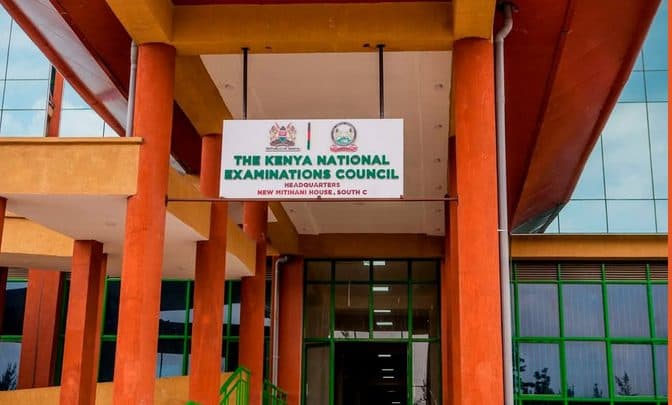
The Kenya National Examinations Council (KNEC) continues to position itself as a central pillar in Kenya’s education reforms, particularly in the implementation of Competency-Based Education (CBE). This commitment was clearly demonstrated during the Technical Alignment, Peer Review, and Scoping Workshop on Strengthening Competency-Based Assessment (CBA) in Senior School, a timely and strategic engagement that marked a significant milestone as the country prepares for the transition into Senior School under the new education structure.
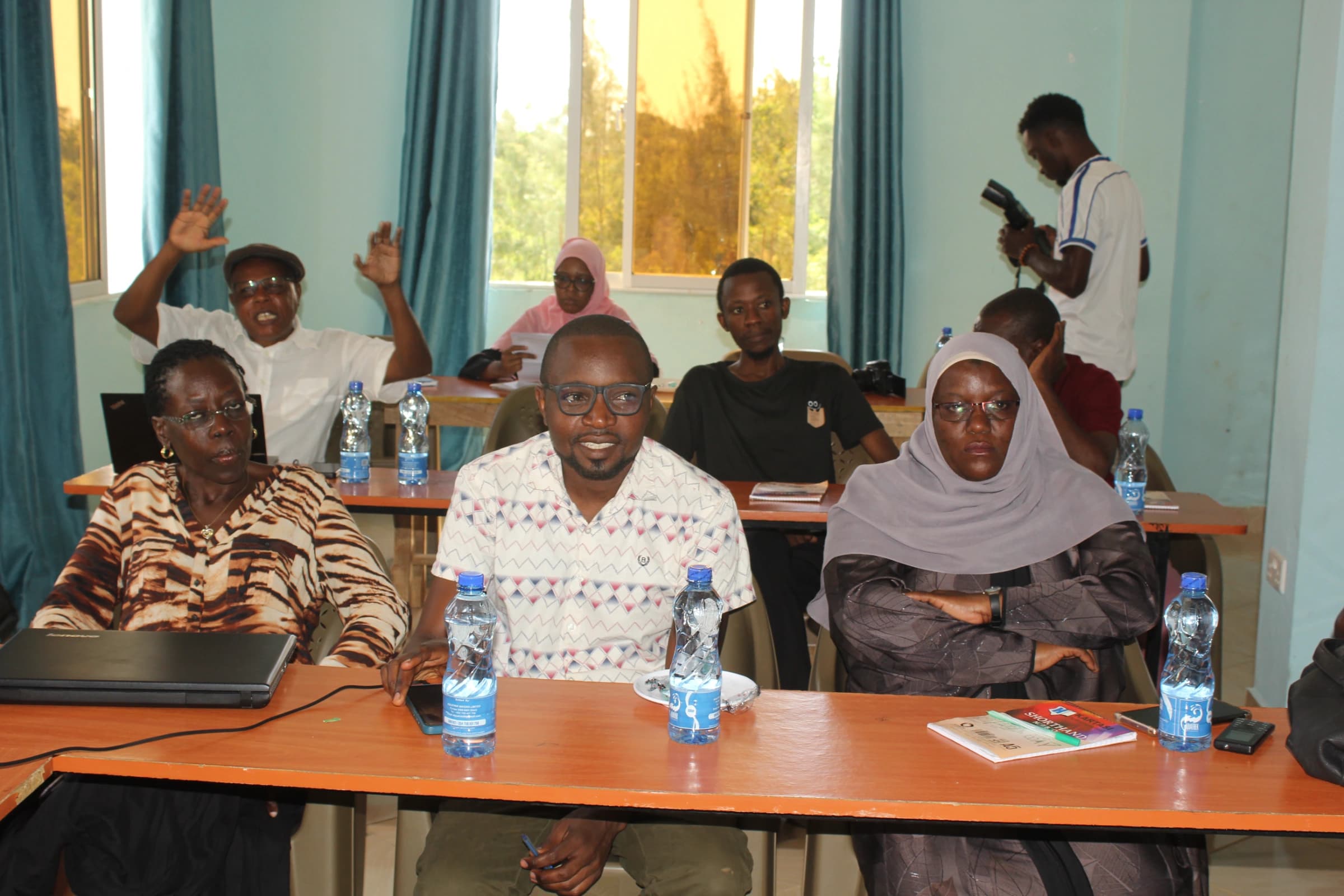
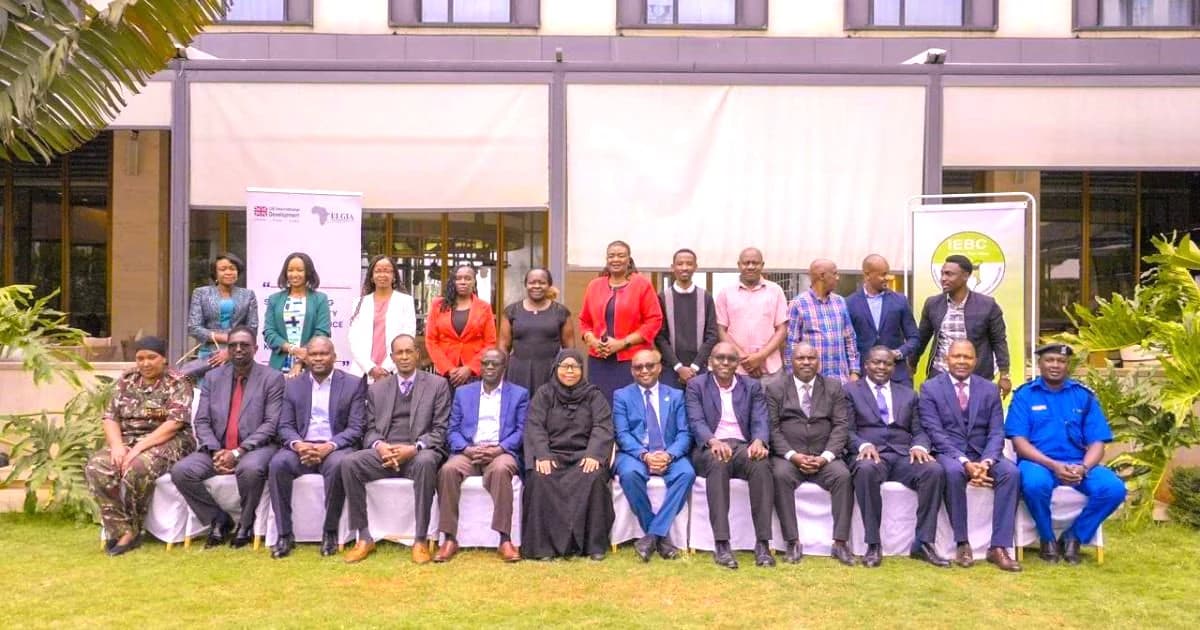
I was privileged to be among the stakeholders who participated in the one-day workshop held at the KNEC Educational Assessment Resource Centre (EARC) in Nairobi. The forum brought together teachers, researchers, curriculum and assessment experts, and education practitioners from diverse backgrounds. It provided a rich and inclusive platform for informed deliberations, peer review, and expert input, all aimed at strengthening assessment practices at the Senior School level. The diversity of voices in the room underscored KNEC’s recognition that effective assessment reform must be informed by those directly involved in teaching, learning, and learner support.
A major highlight of the workshop was the in-depth engagement with the Senior School Competency-Based Assessment Framework, a comprehensive and forward-looking document that will define the scope, philosophy, and direction of assessment under CBE in Senior School. The framework is grounded in seven well-structured chapters, each addressing a critical aspect of assessment reform and collectively offering a coherent roadmap for measuring learning beyond traditional examinations.
ALSO READ:
https://educationnews.co.ke/moe-to-elevate-1000-senior-schools-to-national-status/
Chapter One, Introduction, sets the context and rationale for Competency-Based Assessment in Senior School, situating assessment within the broader goals of CBE and national development. Chapter Two, Competency-Based Assessment, outlines the principles, purpose, and alignment of assessment with clearly defined learner competencies, emphasizing assessment for learning rather than assessment of learning. Chapter Three, Conceptualization of Assessment, provides clarity on assessment design, tools, and approaches appropriate for Senior School learners, moving away from a one-size-fits-all examination model to more flexible and meaningful assessment practices.
Inclusivity emerges strongly in Chapter Four, Inclusivity in Assessment Practices, which emphasizes equity, fairness, and reasonable accommodation for learners with diverse needs. This chapter reflects a deliberate effort to ensure that assessment does not disadvantage learners on the basis of disability, background, or learning differences, but instead becomes a tool for inclusion and empowerment. Chapter Five, Reporting, Feedback, and Certification in Senior School, explains how assessment outcomes will be communicated to learners, parents, and institutions, and how feedback will be used to support learner growth, progression, and informed decision-making.
The integration of technology is addressed in Chapter Six, ICT in Assessment, which highlights the use of digital tools to enhance the credibility, efficiency, accessibility, and integrity of assessment processes. This is particularly relevant in an era where digital literacy is both a competency and an enabler of effective assessment. Chapter Seven, Stakeholder Engagement in Assessment, underscores the critical role of teachers, parents, school leaders, institutions, and partners in the successful implementation of CBA, reinforcing the idea that assessment reform is a shared responsibility.
Beyond the framework, the workshop facilitated insightful discussions on Community Service Learning (CSL), focusing on how assessment can capture values, citizenship, problem-solving, collaboration, and social responsibility. Participants explored practical ways of documenting and assessing learning that happens beyond the classroom, affirming that education must prepare learners not only for careers but also for active and responsible citizenship. Closely linked to this was the discussion on Dual Certification, a progressive approach that recognizes both competency acquisition and academic achievement. Dual certification has the potential to expand learners’ opportunities locally and internationally, while validating diverse talents and pathways.
The workshop also addressed the critical issue of career choices and learner sensitization. Participants emphasized the importance of evidence-based career guidance grounded in assessment data, learner interests, and demonstrated competencies, rather than commercialized narratives that often mislead learners and parents. In addition, sensitization on PISA 2025 highlighted KNEC’s commitment to aligning Kenya’s assessment practices with international benchmarks, ensuring that Kenyan learners are prepared to compete and collaborate in a global context while remaining rooted in local realities.
ALSO READ:
https://educationnews.co.ke/kpc-foundation-launches-nationwide-vetting-for-grade-10-learners-with-disabilities/
What stood out most throughout the engagement was KNEC’s inclusive and consultative approach. By deliberately involving practitioners and experts who are directly engaged in teaching, assessment, and learner support, the Council is strengthening both the credibility and ownership of the reforms. This approach not only builds trust among stakeholders but also increases the likelihood of successful implementation at the school level.
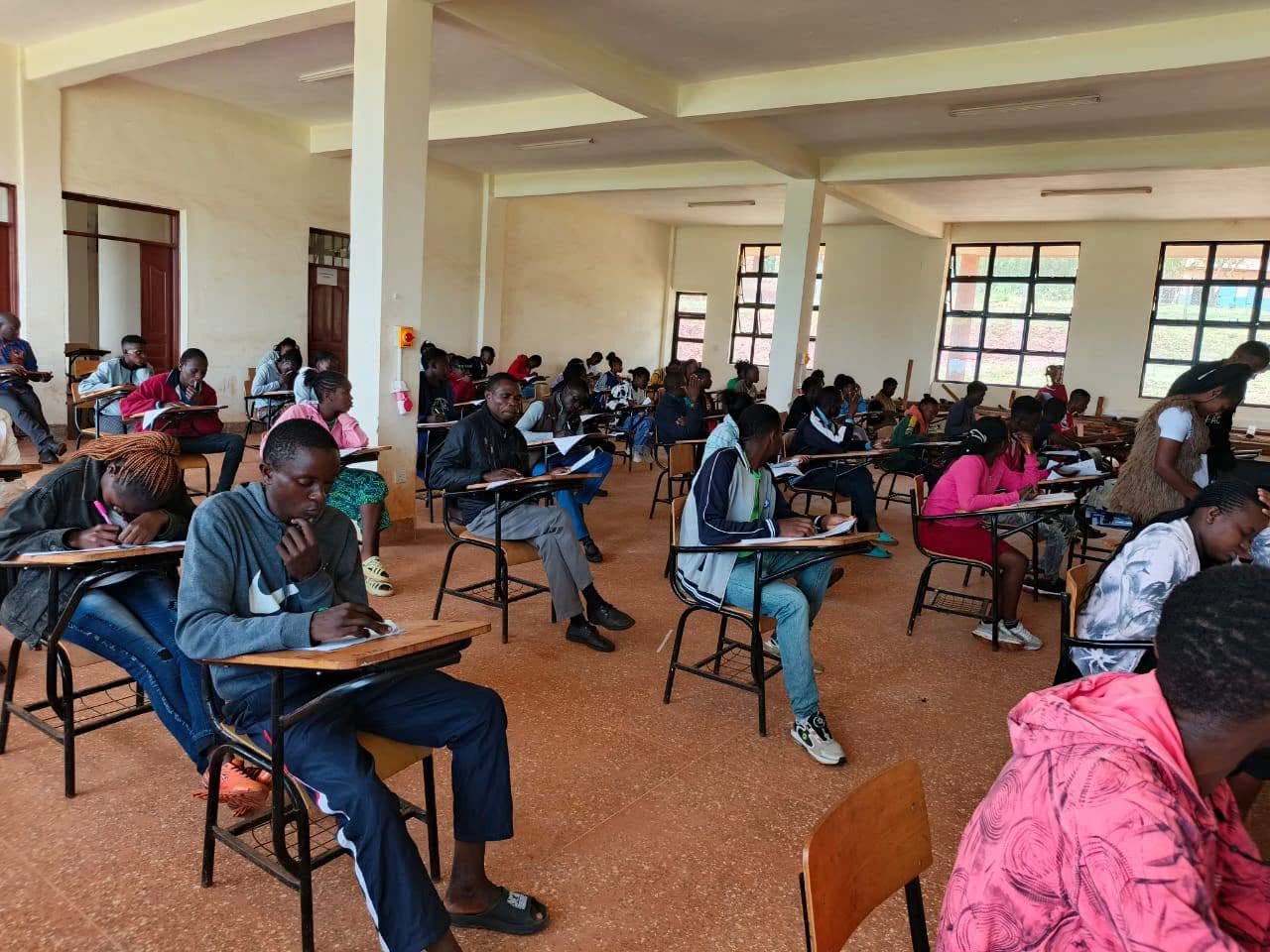
As Kenya transitions into Senior School under CBE, KNEC’s leadership in assessment reform is proving to be a true game changer. The gradual shift from ranking and sorting learners to understanding, nurturing, and supporting their unique potential is becoming increasingly evident. Assessment is being redefined as a tool for learning, growth, and guidance rather than a gatekeeping mechanism.
This workshop was not merely a technical exercise; it was a clear statement of intent. It affirmed that Kenya’s education reforms are deliberate, structured, consultative, and irreversible. KNEC deserves commendation for its vision, professionalism, and unwavering commitment to ensuring that assessment serves learning, equity, and national development.
By Polycap Ateto
Polycap Ateto is a CBE champion, career coach and trainer in Competency-Based Assessment.
You can also follow our social media pages on Twitter: Education News KE and Facebook: Education News Newspaper for timely updates.
>>> Click here to stay up-to-date with trending regional stories
>>> Click here to read more informed opinions on the country’s education landscape


Reader Discussion (0)
Sign in to comment