Kitutu Chache North Member of Parliament (MP) Japheth Nyakundi has called on School Management Boards to mobilize available resources to improve infrastructure in their schools, emphasizing that a conducive learning environment is crucial for students’ academic success.
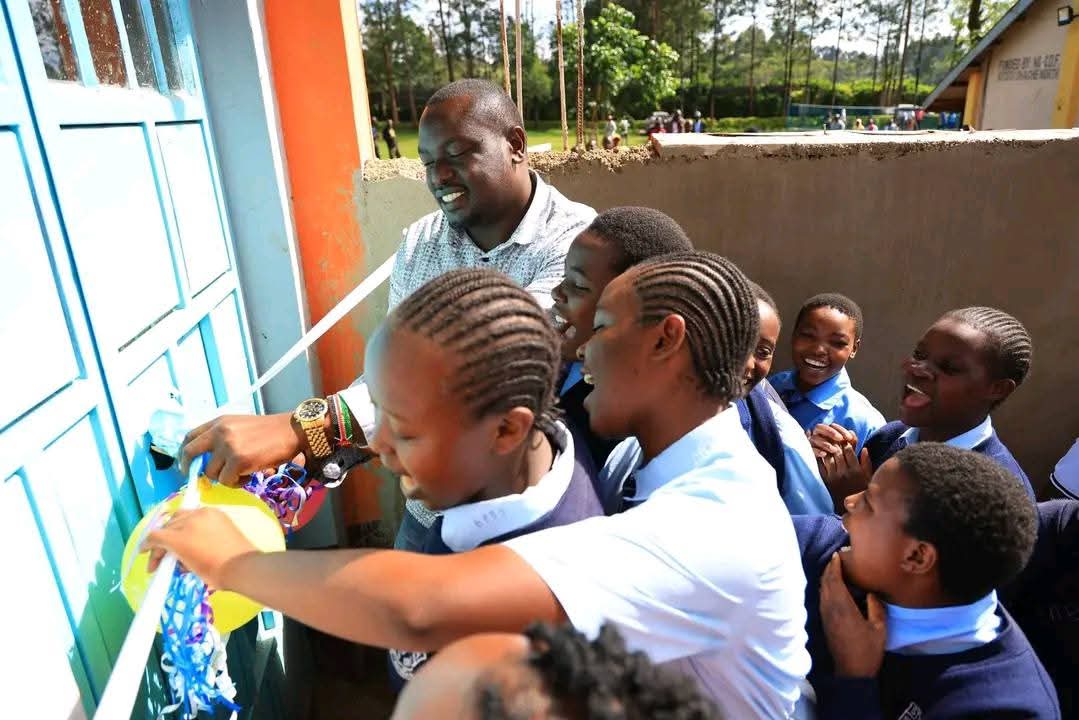
Speaking at Marani Girls Secondary School, where he handed over a 40-capacity dormitory built with NG-CDF funds, Nyakundi stressed the importance of providing learners with good places to sleep, to enable them have ample time to refresh and rejuvenate for their studies.
“The provision of good meals, parental care, and learning materials are essential, but learners also need decent accommodation to facilitate effective learning,” Nyakundi said.
The MP praised Marani Girls Secondary School for its consistent improvement in examination results and urged the administration to maintain the momentum. He emphasized the crucial role teachers play in coordinating with parents to ensure students receive the necessary support for academic progress.
ALSO READ:
How new traffic rules could protect learners from road carnage
“Teachers should work closely with parents to identify and address challenges hindering students’ performance,” Nyakundi said. “By working together, we can create an environment that fosters academic excellence.”
Nyakundi also highlighted the challenges school girls face; including defilement, teenage pregnancies, and early marriages, and urged teachers to equip them with life skills to evade such dangers.
The school’s Board of Management Chairman, James Moenga, thanked the MP for the gesture and promised to strive to maintain the school’s good academic standing.
Earlier, the MP and his team distributed cheques worth Ksh60 million to needy learners from his constituency at various secondary schools.
By Enock Okong’o
You can also follow our social media pages on Twitter: Education News KE and Facebook: Education News Newspaper for timely updates.
>>> Click here to stay up-to-date with trending regional stories
>>> Click here to read more informed opinions on the country’s education landscape