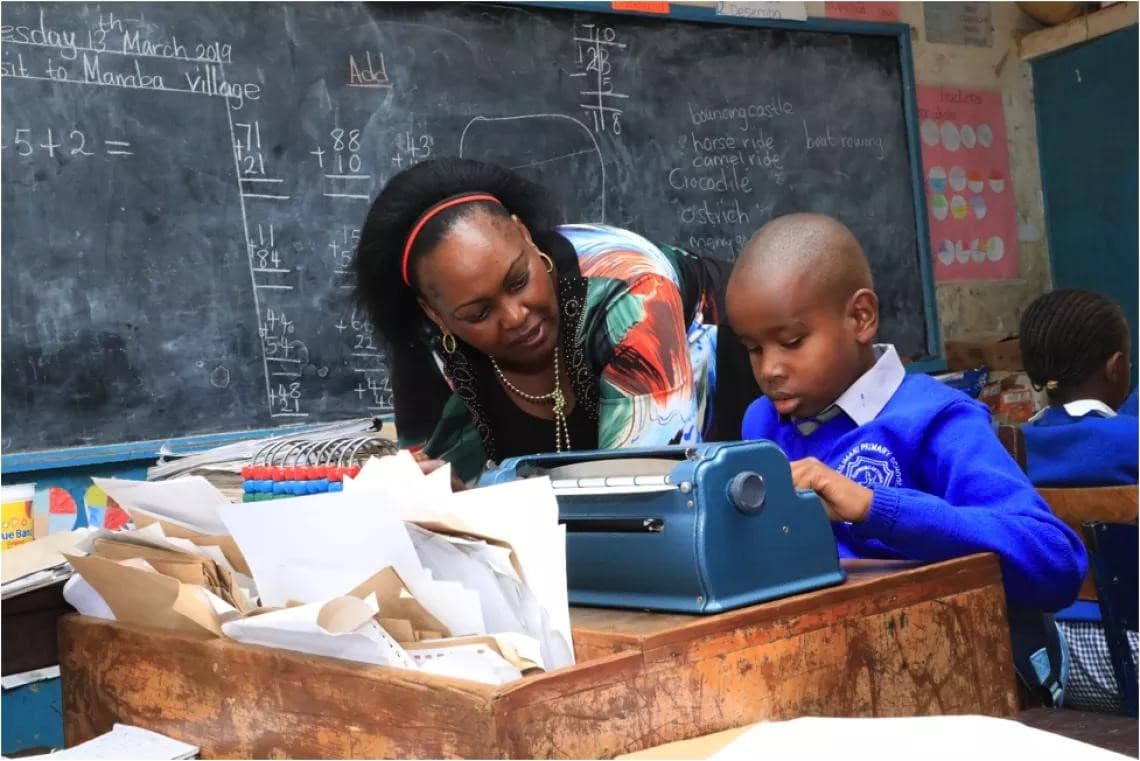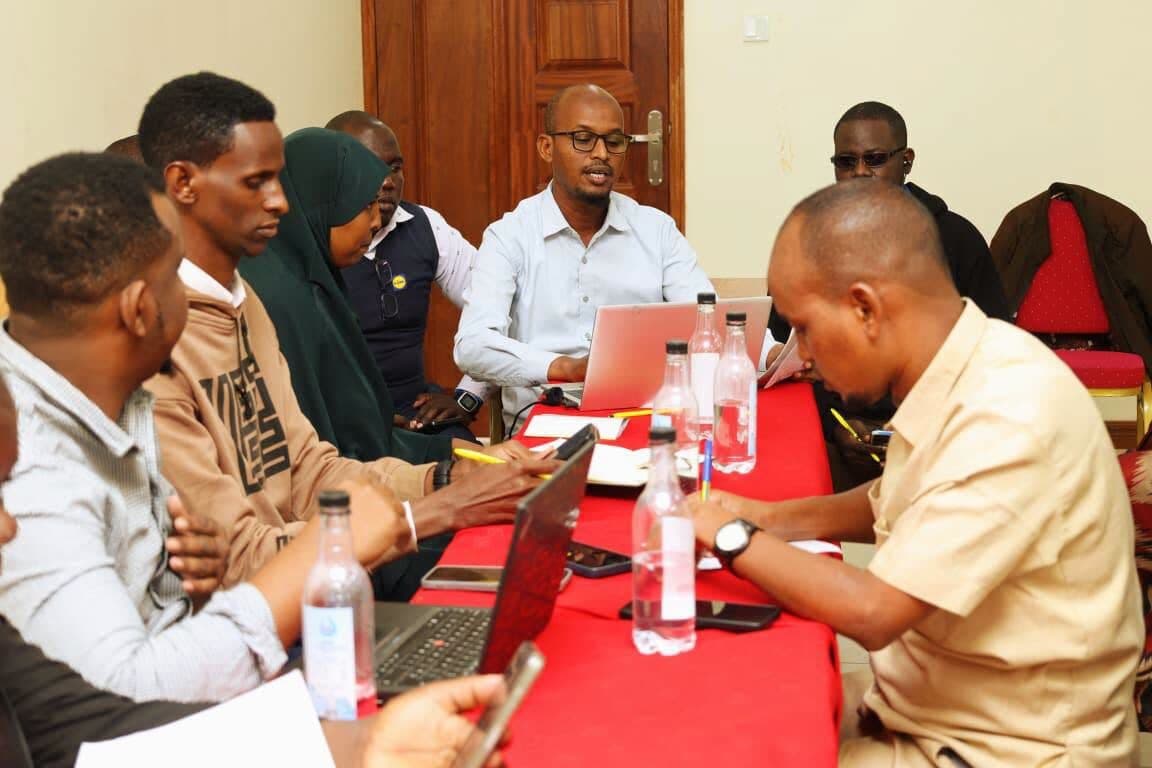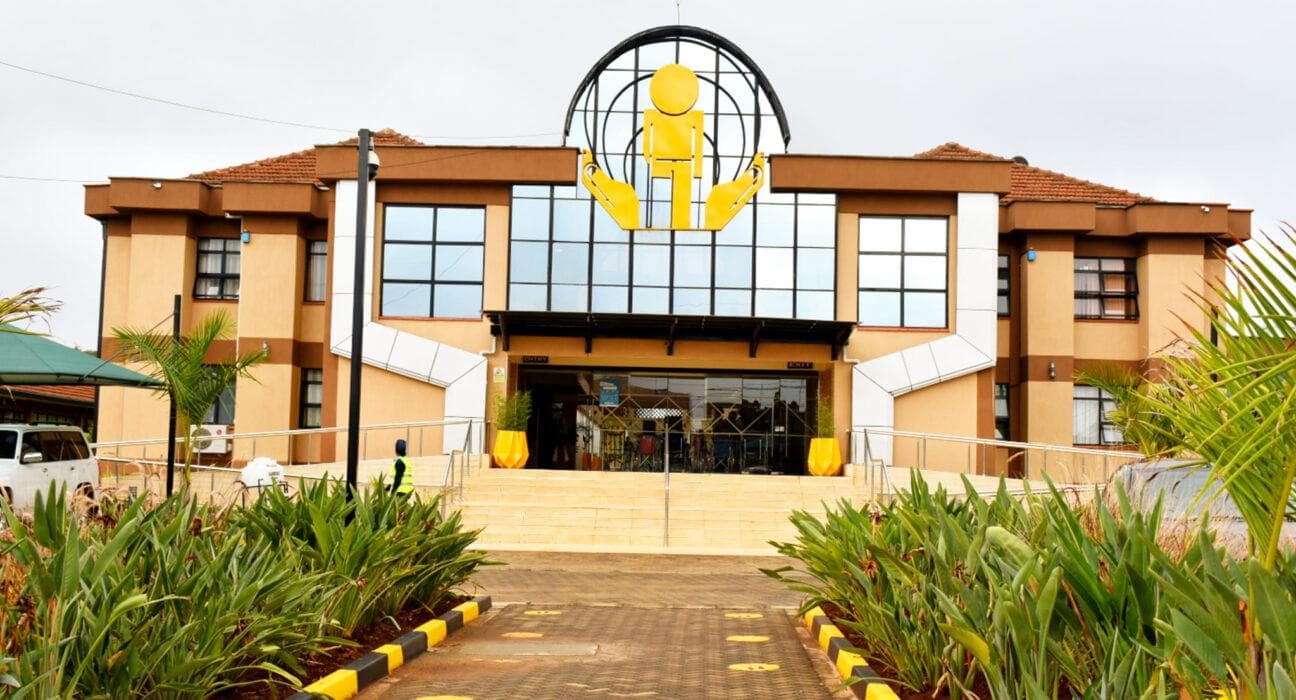


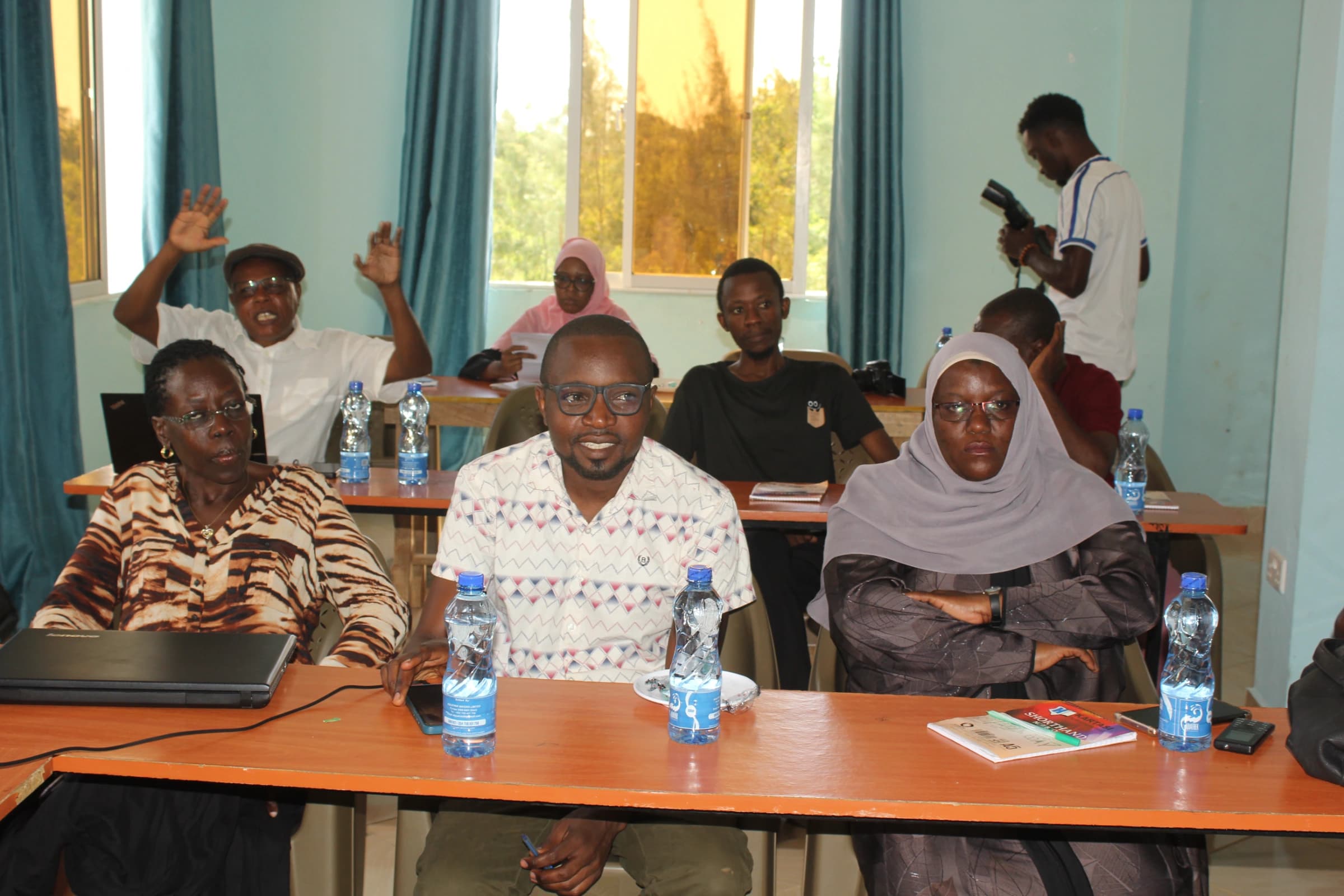

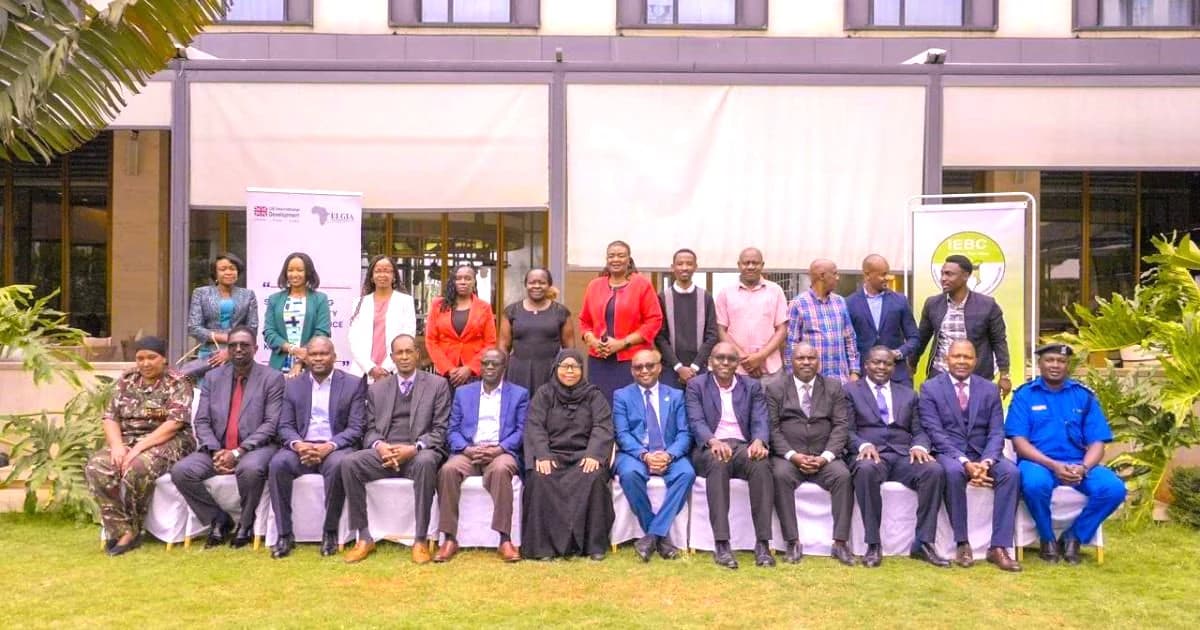
The Kenya Institute of Special Education (KISE) has hosted its first-ever symposium on Autism Spectrum Disorder (ASD), bringing together experts, educators, policymakers, and stakeholders to share knowledge, innovative practices, and solutions aimed at advancing inclusive education and improving the lives of autistic individuals.
Speaking at the event, Dr. Norman Kiogora, Director of KISE, said the symposium provided a platform for stakeholders to strengthen collaboration, share research, and enhance support for persons on the autism spectrum.
He emphasized that educators should be equipped with the necessary skills to ensure no learner with autism is left behind and called for stronger early support systems for all children.
Dr. Lynett Ongera, KISE’s Research and Innovation Coordinator, said the symposium aimed to bring together stakeholders to understand autism related issues.
She noted that discussions at the event would inform policy development and guide evidence based actions, as well as shape future research priorities.
Dr. Ongera also highlighted the importance of including voices of individuals living with autism.
“Professionals, who are autistic, including one who has earned a degree, shared their experiences. Their insights on what persons with autism need to excel and enter the workforce were eye-opening,” she said. A lawyer living with autism also shared his journey.
ALSO READ:
Kericho Senator to sponsor Tengecha Girls teachers’ trip to Mombasa after impressive KCSE results
Denis Moogi, Chair of the Action for Children with Disabilities Network, said key outcomes from the symposium would be incorporated into policy and adopted by practitioners.
“We came to listen to the challenges stakeholders among them parents face, raise awareness about care policies and services, and design interventions to address their needs,” he said, stressing the importance of promoting inclusive, equitable education and lifelong learning for children and youth with disabilities.
Dr Sylvia Mochabo, Founder of ANDY SPEAKS for Special Needs Persons who was among keynote speakers , emphasized that autism should be recognized as part of human diversity rather than a deficit.
She called for communities to serve as core support systems to reduce stigma and encouraged teaching typically developing children about disability, empathy, and respect.
“Forums like this are essential for building communities that understand, embrace, and support neurodivergent individuals and their families across Kenya,” Mochabo said.
She also highlighted Kenya’s progress in supporting persons with disabilities, noting the Persons with Disabilities Act No. 4 of 2025, which modernizes disability rights, aligns with the Constitution and international standards, and guarantees free and compulsory basic education for all children with disabilities from early childhood through secondary school.
ALSO READ:
Mihiriga Kenda organisation refutes perpetrating FGM, says it’s a fallacy to shame the group
Other participants, including Caroline Kisuge who is the director Jonathan Rays of Hope Organization, and special needs educator stressed the importance of community level awareness.
She emphasized that no child should be left behind in education and that parents and communities need knowledge on issues affecting persons with disabilities.
Kenya currently lacks official nationwide prevalence data on ASD. Estimates based on global data suggest that roughly 1% of the population around 900,000 to 1 million Kenyans could be on the autism spectrum.
Global figures from the U.S. Centers for Disease Control and Prevention (CDC) indicate that 1 in 36 children (2.8%) are diagnosed with ASD, with prevalence about four times higher in boys than girls, highlighting the need for improved diagnosis and support, especially for girls who may be underdiagnosed due to different symptom presentation.
By Obegi Malack
You can also follow our social media pages on Twitter: Education News KE and Facebook: Education News Newspaper for timely updates.
>>> Click here to stay up-to-date with trending regional stories
>>> Click here to read more informed opinions on the country’s education landscape