








Kiambu County is pushing for the enactment of the proposed Early Childhood Development and Education (ECDE) Bill, 2025, which aims to formalise and protect early learning.
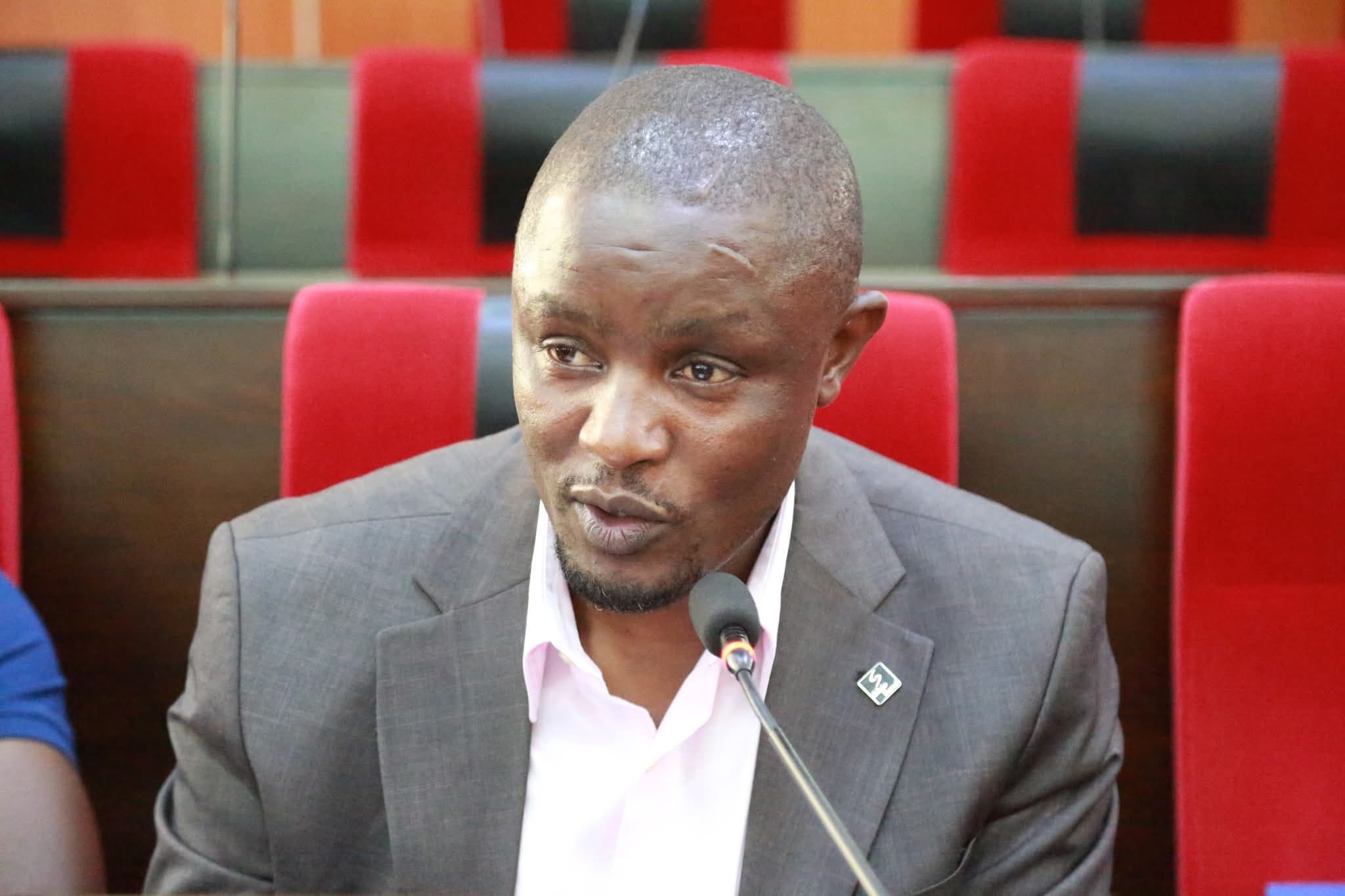
The Bill sponsored by Francis Koina (MCA, Kiambu Township) and chaired by Lawrence Mwaura (MCA, Ting’ang’a), it presents a significant shift toward professionalizing the ECDE sector.
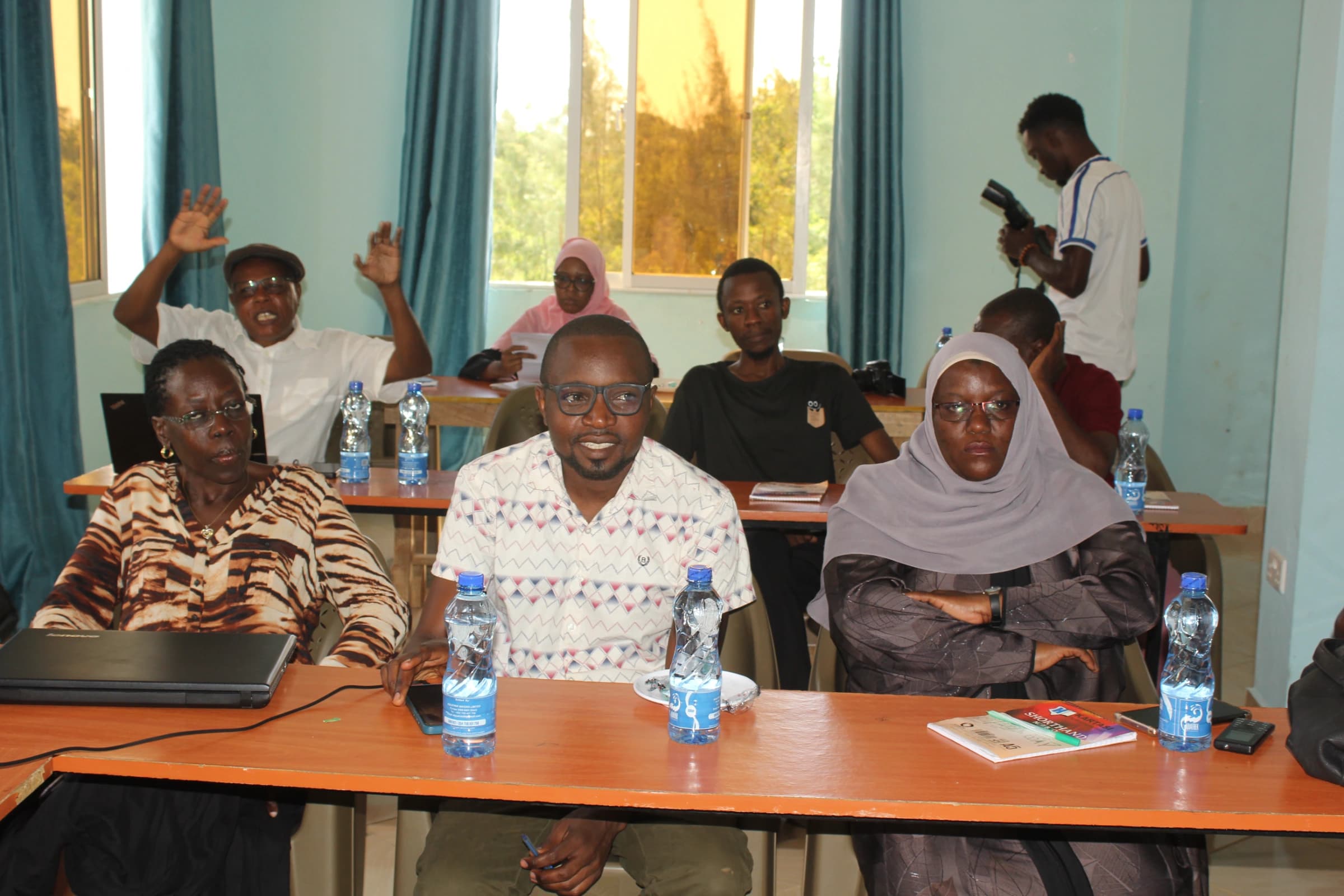
To seal the deal, the County Assembly’s Education, Science and Research Committee convened a pivotal public participation forum, bringing together a diverse coalition of educators, child-rights advocates, and community leaders. The consensus was clear: early education is no longer a “peripheral service,” but a fundamental public obligation.
While the room hummed with support for the Bill’s intent, the dialogue quickly shifted from broad endorsements to specific, high-stakes refinements.

Members of the public making their presentations for considerations. Photo Felix Njenga
“Laws affecting our children must translate into practical, enforceable action,” noted several contributors, emphasizing that the Bill’s success depends on its ability to impact the daily lives of learners and teachers.
Nutrition: Learning Beyond the Alphabet
One of the most urgent topics discussed was the ECDE feeding programme. Stakeholders argued that for many children, a school meal is the most reliable source of nutrition in their day. To prevent hunger from undermining cognitive development, participants called for:
Legal Standards: Enshrining minimum requirements for meal frequency and portion sizes into law.
Nutritional Oversight: Mandatory collaboration with public health officers to ensure meals promote physical growth and concentration.
ALSO READ:
https://educationnews.co.ke/shock-as-vihiga-school-classroom-building-cracks-students-evacuated/
Governance and land tenure emerged as significant hurdles. Participants voiced concerns over “overlapping mandates” between national and county governments, which often lead to administrative paralysis. To ensure a stable environment for children, the forum proposed:
Land Protection: Prioritizing the establishment of ECDE centres on county-owned land.
Legal Safeguards: Creating formal agreements for centres situated on national government land to shield them from future ownership disputes.
Clear Authority: Eliminating the “duplication of authority” between county and municipal directors to streamline service delivery.
The atmosphere turned somber as the conversation shifted to the workforce. Advocates pointed out the stark contradiction in the system: caregivers are entrusted with a child’s most critical development phase yet often face low pay and job insecurity.
Stakeholders argued that any reform would be “hollow” without a commitment to fair remuneration and dignified working conditions, citing staff retention as a primary factor in educational quality.
Civil society groups, led by Bunge Mashinani, submitted a memorandum targeting 17 specific clauses for review. Their primary demand was the formal inclusion of civil society representatives in ECDE governance structures.
The group also highlighted a critical gap: learner welfare during school closures. They urged the county to develop clear protocols for transfers and parent communication to ensure learning continuity during periods of instability.
Despite the rigorous critiques, the forum concluded on a note of optimism. Lawrence Mwaura assured the public that their contributions were not merely a formality but would “meaningfully inform” the final draft of the legislation.
As the ECDE Bill 2025 moves toward its next legislative stage, Kiambu stands at a crossroads. If the county can successfully integrate these community recommendations, it will do more than just pass a law—it will create a blueprint for safeguarding the dignity and potential of its youngest citizens.
By Felix Njenga
You can also follow our social media pages on Twitter: Education News KE and Facebook: Education News Newspaper for timely updates.
>>> Click here to stay up-to-date with trending regional stories
>>> Click here to read more informed opinions on the country’s education landscape





Reader Discussion (0)
Sign in to comment