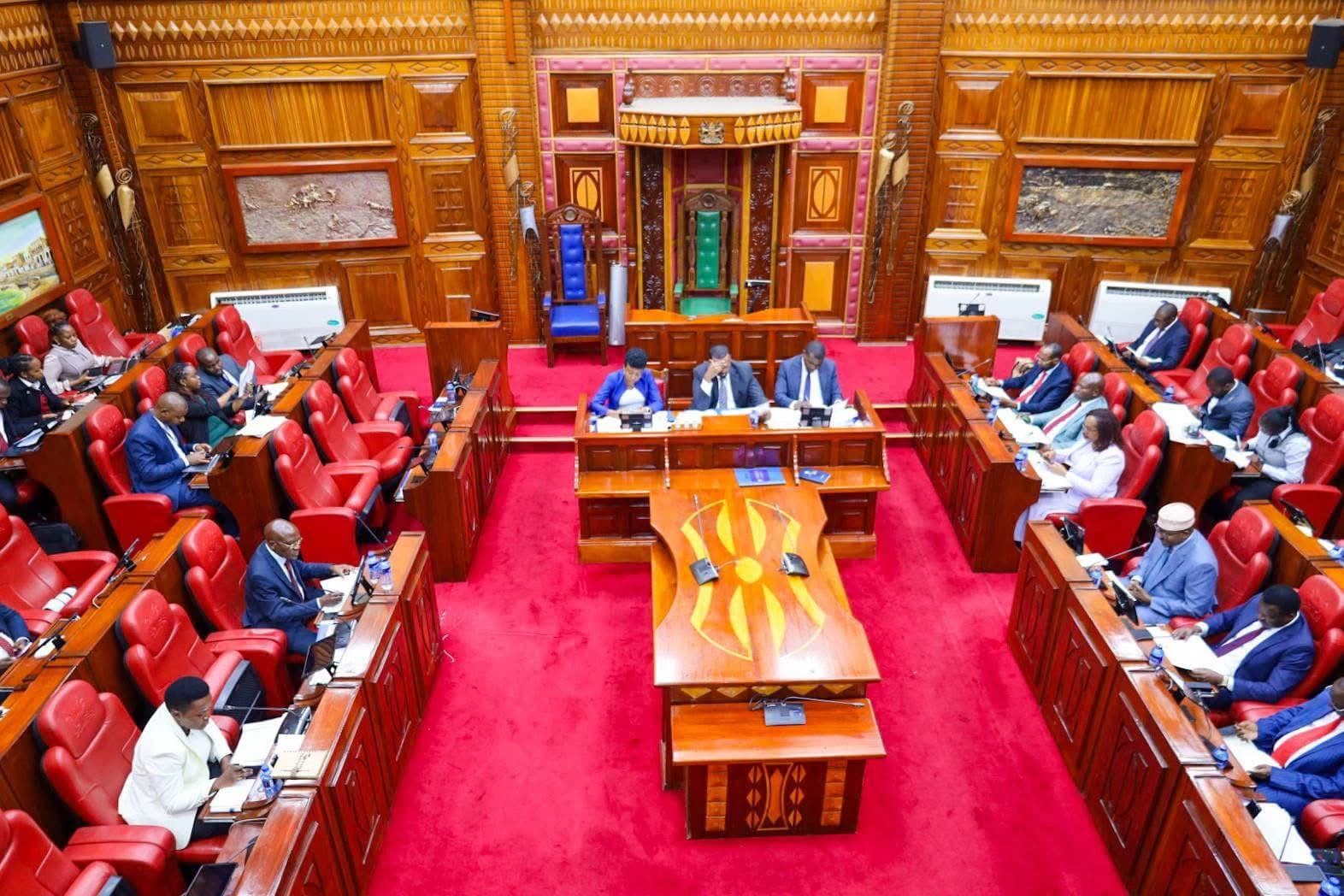










Kenya’s education sector received a powerful wake-up call during a historic national virtual meeting convened by Head of Public Service Felix Koskei. This was no ordinary briefing. It was a high-voltage signal that education leadership is now under scrutiny. Thousands of school administrators, all county and sub-county directors, Boards of Management members, and other stakeholders participated in this nationwide engagement.
Senior officials from Ministry of Education Kenya, Teachers Service Commission Kenya, and Kenya National Examinations Council Kenya also joined principals, deputy principals, bursars, procurement officers, and other key players.
The discussions were sharp, focused, and direct. Themes dominated the agenda: accountability, accurate data, teacher professionalism, governance, exam integrity, technology, and schools’ role in nation-building. Each theme was unpacked with real examples, highlighting both successes and areas needing urgent intervention.
Financial Accountability: Every Shilling Counts
Schools manage billions in government capitation and development funds. The message was clear: protect every shilling. Guesswork and casual management are over. Administrators must maintain transparent records, follow procurement rules, and ensure resources reach learners. Misuse of funds is no longer tolerated.
Leaders shared instances where poor management led to missing resources, incomplete projects, and dissatisfied communities. Emphasis was placed on monitoring systems, audits, and using technology to track every financial transaction. Schools that implemented robust financial tracking reported improved resource allocation and better academic outcomes.
Ghost Students: A National Threat
Inflated student numbers distort funding and disrupt planning. Accuracy is a national duty. Schools must implement digital record-keeping to prevent ghost students and ensure every learner counts. Policy depends on reliable data.
ALSO READ:
https://educationnews.co.ke/narok-boys-retain-hockey-title-as-thrilling-county-term-one-games-conclude/
Several counties highlighted successful interventions where enrolment was digitized, attendance was verified monthly, and funds matched the actual number of learners. Administrators were encouraged to maintain detailed student profiles, update them regularly, and collaborate with sub-county directors to ensure verification and accuracy.
Illegal Levies: Protecting Parents
The Head of Public Service noted that hidden levies undermine trust. He added that schools must follow official fees and keep education fair and accessible; reiterating that parent engagement is crucial to resolve fee disputes and maintain transparency.
The meeting stressed that unauthorized levies not only contravene government policy but also discourage attendance and affect learning outcomes. Administrators were urged to communicate all fees clearly and provide receipts for every payment, ensuring parents are fully aware of their obligations and rights.
Teacher Professionalism: Integrity Matters
Teachers shape the next generation. Acting TSC CEO Evelyn Mitei emphasized professionalism, discipline, and ethical conduct. She alluded that administrators must support teachers, enforce codes, and promote ethical behavior, maintaining that integrity is non-negotiable.
Professional development was underscored as a tool to enhance teacher effectiveness. Programmes on pedagogy, leadership, classroom management, and ethics were recommended. Administrators were urged to recognize and reward exemplary teachers, creating a culture of excellence that motivates others.
Examination Integrity: Trust is everything
Kenya National Examinations Council (KNEC) Chief Executive Officer (CEO) Dr David Njeng’ere reminded leaders that safeguarding exams is critical, noting strict supervision, secure exam materials, and a culture of honesty are mandatory.
Schools shared practices like secure storage for examination papers, staggered exam schedules, and training for invigilators. Njeng’ere also challenged administrators to maintain vigilance, ensure compliance, and instill integrity in learners, emphasizing that education success is measured not only by marks but also by credibility.
Governance: Boards and Principals Must Collaborate
Effective governance is essential. Koskei said that school boards must work with principals to ensure transparency and accountability. He emphasized on regular meetings, clear reporting lines, and strong oversight to prevent mismanagement and protect learners’ interests.
ALSO READ:
https://educationnews.co.ke/4-special-schools-in-elgeyo-marakwet-receive/
Governance structures were also discussed as a key factor in school performance. Boards that actively participate in budgeting, staffing decisions, and project monitoring tend to have better school outcomes. Administrators were urged to document decisions, hold periodic reviews, and ensure every action aligns with national education policies.
Coordination across the Education Sector
Seamless coordination between Ministry, TSC, KNEC, county, and sub-county directors is vital. Koskei said that unified guidance eliminates confusion and strengthens schools. High-performing counties demonstrated that coordinated support improves outcomes and compliance.
Administrators were advised to create communication channels for real-time reporting, feedback, and issue resolution. County education offices were encouraged to monitor school performance, provide technical guidance, and foster partnerships that support holistic education.
Technology: The New Tool for Leadership
The virtual meeting demonstrated the power of technology. Administrators must embrace digital tools—electronic records, online reporting, and virtual communications. Tech enhances transparency, efficiency, and real-time monitoring.
Examples included digital attendance systems, online learning platforms, and data analytics for performance tracking. Administrators were urged to train staff, adopt modern tools, and integrate technology in everyday operations to improve efficiency and accountability.
Data Integrity: The Backbone of Decision-Making
Schools were directed to provide accurate data on enrolment, staffing, and infrastructure. “Misreporting disrupts planning and resource allocation. Schools must adopt auditing systems, cloud-based records, and staff training to maintain accuracy.”
Several counties reported significant improvements when real-time data verification systems were used. Administrators learned that accurate data ensures proper funding, staff deployment, and infrastructure planning, which ultimately benefits learners and strengthens the education system.
National Development: Schools as Pillars
Schools shape citizens. Every decision, from finances to teacher supervision, affects the country’s future. Strong schools produce strong citizens; strong citizens build a strong nation. Leaders must embed values of integrity, responsibility, and civic duty in students.
Administrators were urged to create programs that nurture ethical leadership, environmental stewardship, and civic engagement. Schools were encouraged to organize community projects, leadership clubs, and mentorship programs to ensure learners contribute meaningfully to society.
Accountability, Professionalism, Leadership: The New Standard
The message was consistent: accountability, professionalism, and leadership are non-negotiable. County and sub-county directors, Boards of Management, and administrators must lead with integrity. Kenya’s education future depends on it.
Every leader was challenged to model exemplary behavior, maintain transparency in decision-making, and inspire trust among staff, students, and parents. Administrators must be proactive, addressing challenges before they escalate and ensuring that schools operate efficiently and ethically.
The meeting convened by Felix Koskei Kenyan Head of Public Service was historic. It united all education leaders to discuss challenges, set expectations, and define responsibilities. Financial accountability, accurate data, teacher professionalism, governance, examination integrity, technology adoption, and schools’ role in nation-building were key takeaways.
This was more than a briefing—it was a defining moment. Leadership in schools has consequences beyond the gates. Every decision shapes the nation. Administrators were reminded that their role is central to transforming Kenya’s education system, ensuring quality, fairness, and inclusivity.
The message is crystal clear: the future of education in Kenya will be defined by accountability, professionalism, and responsible leadership. Every school leader, every county and sub-county director, and every stakeholder has a role. Complacency ends now. The era of transformational, accountable, and ethical education leadership is here. Leaders must act decisively, innovate, and inspire to create schools that are centers of excellence.
By Hillary Muhalya
You can also follow our social media pages on Twitter: Education News KE and Facebook: Education News Newspaper for timely updates.
>>> Click here to stay up-to-date with trending regional stories
>>> Click here to read more informed opinions on the country’s education landscape




Reader Discussion (0)
Sign in to comment