

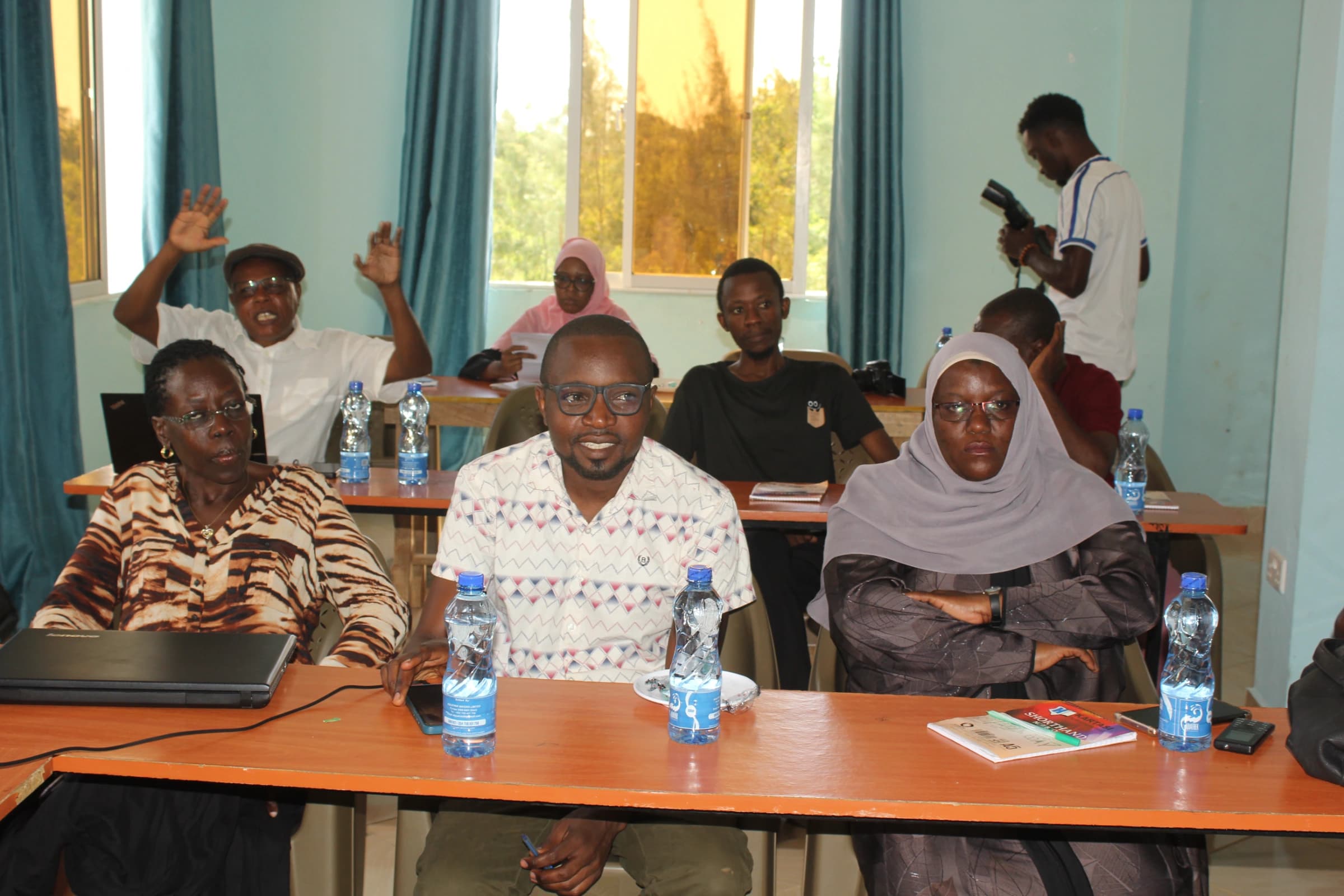
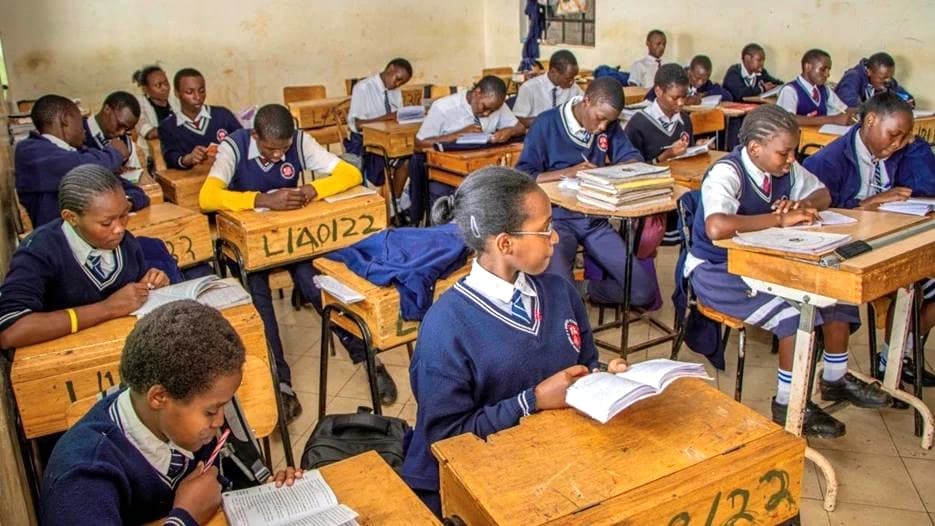



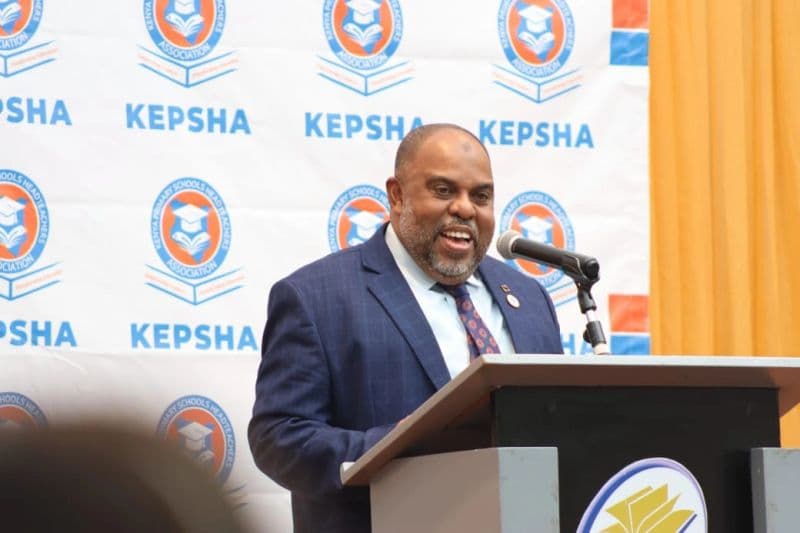
The Kenya Primary Schools Headteachers Association (KEPSHA) has directed all headteachers to be physically present in their schools on Monday, December 22, 2025, to help parents interpret the Kenya Junior Secondary Education Assessment (KJSEA) results and guide learners on senior secondary placement.
In an advisory memo dated December 18, KEPSHA National Chairman Fuad Abdalla Ali, said the directive is a strategic intervention to ensure a smooth transition of Grade 9 learners into senior secondary school under the Competency‑Based Education (CBE) framework.
Faud emphasized that school leaders play a pivotal role in helping families understand placement outcomes and career pathway choices.
The memo comes amid growing anxiety among parents and guardians, many of whom have been calling teachers and education officers for clarification. The shift from an examination‑driven system to a competency‑based approach has left households, particularly in rural and marginalized areas uncertain about performance bands, digital placement platforms, and pathway selection.
ALSO READ:
https://educationnews.co.ke/knut-issues-guidelines-for-2026-branch-elections/
Over 1.1 million Grade 9 learners are affected by the 2025 KJSEA placement exercise, which the Ministry of Education has described as a milestone in CBE implementation. Placement is guided by a standardised points‑based framework that categorizes learners into four bands: C1 (63–72 points), C2 (41–40 points), and C4 (1–20 points).
Officials stress that the bands are meant to support appropriate placement and equity, not to stigmatize learners, and that every candidate is guaranteed a place in senior secondary school.
To strengthen learner agency, the Ministry has provided a two‑week career pathway revision window, including a five‑day dedicated phase immediately after results release. This allows learners and parents to adjust pathway choices before reporting to senior secondary schools in January 2026.
Learners are placed within three broad pathways: STEM, Social Sciences, and Arts and Sports, reflecting a policy shift toward talent recognition and alignment with labour market needs.
The placement process is managed through the Kenya Education Management Information System (KEMIS), which coordinates admissions across 9,569 senior secondary schools and connects learners to more than 350 career pathways. Recognizing challenges in digital literacy and infrastructure, KEPSHA has announced online KEMIS training for headteachers during the first week of school opening to ensure consistent application of guidelines nationwide.
RELATED:
https://educationnews.co.ke/moe-to-release-grade-10-placement-results-today-for-over-1-1-million-kjsea-candidates/
Placement letters are expected by December 20, with reporting scheduled for January 12, 2026. KEPSHA says the presence of headteachers on December 22 will provide reassurance, professional guidance, and structured support for parents making crucial decisions about their children’s educational future.
Education stakeholders note that the exercise is a decisive test of Kenya’s commitment to a responsive and inclusive competency‑based system. Success, they argue, will depend on the preparedness of school leaders, the engagement of parents, and the ability of institutions to deliver transparent, learner-centred outcomes.
By Hillary Muhalya
You can also follow our social media pages on Twitter: Education News KE and Facebook: Education News Newspaper for timely updates.
>>> Click here to stay up-to-date with trending regional stories
>>> Click here to read more informed opinions on the country’s education landscape
>>> Click here to stay ahead with the latest national news.



Reader Discussion (0)
Sign in to comment